
The Athlete’s Recovery Guide: From Pain to Peak Performance
2025-11-19 • 5 min
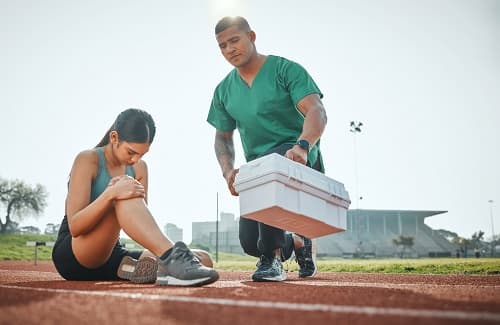
Every athlete knows the adage: “No pain, no gain.” But the real secret of elite performance is understanding when to push and when to recover. If you’re a hardcore gym enthusiast or sports athlete, you probably put your body through a lot of stress – heavy lifts, intense drills, long runs. Pushing your limits is how you improve, but it’s during recovery that your body actually adapts and gets stronger. Ignoring recovery can leave you trapped in a cycle of constant post-workout pain, fatigue, or even injury, ultimately holding you back from reaching peak performance. On the other hand, a smart recovery strategy can take you from the lows of pain to the heights of performance. Welcome to the athlete’s ultimate recovery guide, where we’ll cover everything from soothing sore muscles to sports pain relief techniques, so you can train hard and still feel your best.
Why Recovery Is Just as Important as Training
Training creates the stimulus for growth, but recovery is where the growth actually happens. When you exercise, you’re essentially breaking down muscle fibers and depleting energy stores. Without proper rest and recovery, your body doesn’t get the chance to repair those muscles and refill your tank. The result? Prolonged soreness, plateaued performance, and a higher risk of injuries.
In fact, sports medicine experts emphasize that adequate rest is non-negotiable for athletes. During rest periods, the body repairs muscle tissues, replenishes energy (glycogen) stores, and even strengthens the immune system, reducing the risk of injuries and illness. Skipping rest or not allowing full recovery can lead to overtraining syndrome, characterized by fatigue, declining performance, and mental burnout. No athlete wants that.
Think of recovery as the yin to your training’s yang – both are needed for balance. A well-recovered athlete will have better endurance, strength, and focus than one who grinds without rest. So, if you’ve been neglecting your recovery, it’s time to treat it with the same respect as your workouts. Your gains literally depend on it.
Pillars of an Effective Recovery Routine
Quality Sleep
Sleep is the number one recovery tool for any athlete. It’s during deep sleep that your body produces growth hormone and goes into full repair mode, healing muscle fibers and consolidating energy for the next day. Aim for 7-9 hours of quality sleep per night. If you’re training extremely hard, you might even need a bit more on some days. Remember, even Olympic athletes often nap as part of their regimen! To improve sleep:Maintain a consistent sleep schedule.
Create a relaxing pre-bed routine.
Ensure your sleep environment is cool, dark, and quiet.Rest Days and Active Recovery
Incorporate rest days into your training schedule. This doesn’t mean you have to sit on the couch all day; rather, don’t do any intense training that taxes the same muscles. Light activity like walking, yoga, swimming, or gentle cycling is ideal. Active recovery helps flush out waste products from muscles and brings in fresh oxygen and nutrients, reducing soreness and speeding up muscle repair. It helps you recover without pushing your body into further fatigue.Hydration and Nutrition
Hydration is key to recovery. Dehydration not only harms performance but also slows down muscle healing. Drink water throughout the day, and replenish electrolytes after heavy sweat sessions.Post-workout nutrition: Combine protein and carbs to repair muscle and replenish energy stores.
Anti-inflammatory foods: Include omega-3s, turmeric, ginger, colorful vegetables, nuts, and seeds to support muscle repair.
Skip the junk food and alcohol – they increase inflammation and hinder recovery.
Stretching and Flexibility Work
Cooling down after a workout and stretching helps relax muscles and prevent stiffness. Incorporate static stretches post-workout and add yoga or mobility drills weekly to improve overall flexibility and joint health. Better flexibility reduces injury risk and enhances athletic performance.Massage and Myofascial Release
Sports massage eases muscle soreness, enhances flexibility, and boosts circulation. If you can’t get a professional massage frequently, use foam rollers, massage balls, or massage guns. Roll out tight spots, especially after intense sessions. This helps muscles relax and promotes healing.
Ayurvedic Recovery Aids: Bringing Natural Relief to Modern Athletes
Herbal Massage Oils for Muscles and Joints
Ayurveda often recommends oil massage (Abhyanga) as a way to strengthen the body and calm the nervous system. Reset’s Stretch Easy Oil contains potent essential oils like eucalyptus, camphor, rosemary, and lemongrass, known to soothe aches, reduce inflammation, and improve circulation.
After a tough training session, massaging sore areas with this oil can ease stiffness and support flexibility. It’s excellent for weightlifters, runners, and athletes of all levels.
Instant Pain Relief through Herbal Sprays
Reset’s Deep Penetrating Pain Relief Spray offers rapid relief for muscle pain, spasms, and joint aches. With ingredients like wintergreen, menthol, camphor, Nirgundi, and Boswellia, it cools, soothes, and penetrates deeply for quick comfort.
Herbal Pain Relief Tablets for Internal Support
Reset’s Instant Ease Pain Relief Tablets contain a blend of herbs like White Willow Bark, known for its natural pain-relieving properties. These tablets support recovery without the side effects of synthetic NSAIDs.
From Pain to Peak Performance: The Payoff
Prioritizing recovery means:
Less soreness
More consistent training
Better performance
Reduced injury risk
Combine modern recovery science with Ayurvedic tools like Stretch Easy Oil, Reset Pain Relief Spray, and Reset’s herbal tablets for an unbeatable recovery system.
Recovery isn’t optional. It is the foundation of peak performance.
Share this article: