Ultra potent gel - Refill pack
An eco-conscious and powerful solution designed for sustainable living and effective pain management

₹999.00
₹899.00
4.6
2026-02-23 • 4 min read
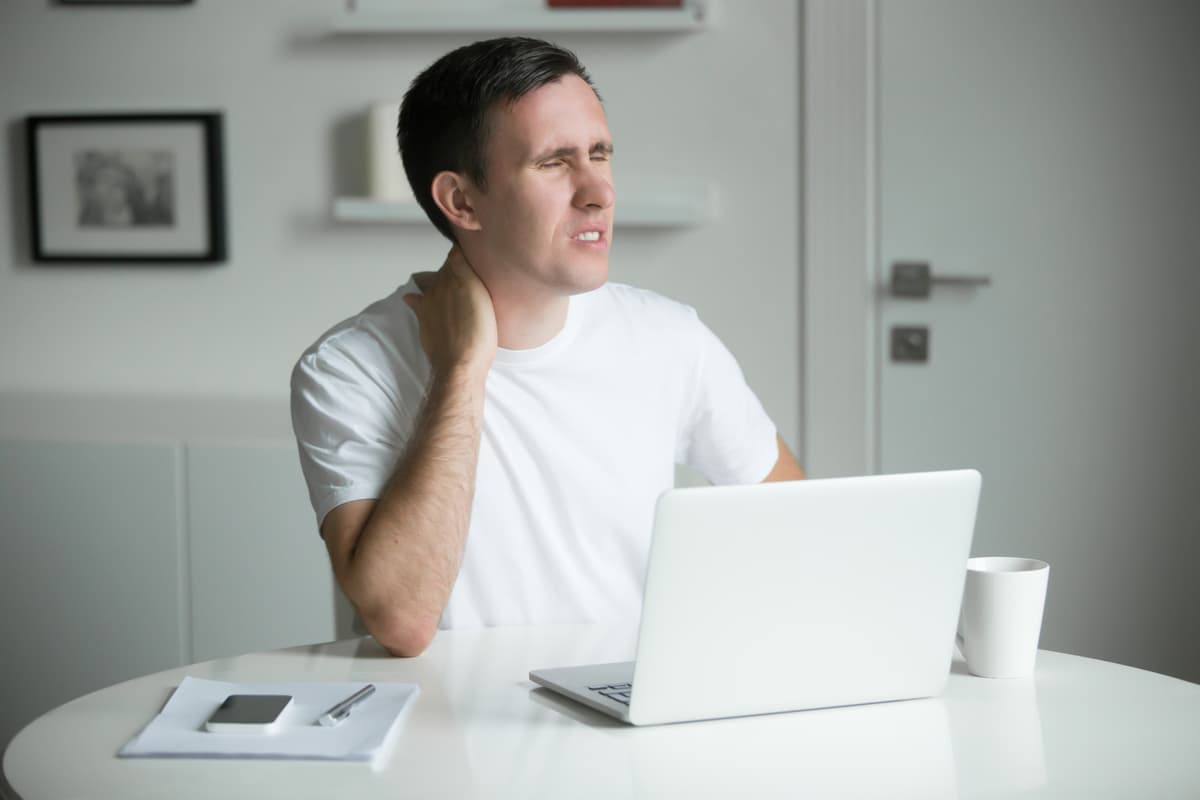
The neck goes from fine to frozen with an unsettling speed. One moment it moves freely. The next, you cannot turn to look over your shoulder without the whole upper body having to follow. Understanding why that happens is not just medically interesting — it is the difference between treating it correctly and extending it unnecessarily.
Stiff neck reasons range from the entirely mundane to the medically urgent — and the majority of cases fall firmly in the former category. Most stiff necks are the body's predictable response to identifiable, correctable inputs: a pillow that held the spine in the wrong position for seven hours, a screen that sat too low for a full working day, a cold draught that triggered involuntary muscle bracing, or a period of stress that kept the shoulders elevated for weeks.
This guide identifies the top reasons for sudden and recurring cervical stiffness, explains the mechanism behind each so the logic is clear, and connects each cause directly to the targeted relief approach that resolves it. Because a stiff neck that you understand is a stiff neck you can fix.
Most stiff necks are musculoskeletal — benign, self-limiting, and entirely manageable at home. But two presentations require immediate medical assessment before anything else:
Stiff neck with high fever and severe headache — possible meningitis: call emergency services immediately. Do not attempt home management. Stiff neck with sudden severe headache unlike any previous experience, or with facial weakness, speech difficulty, or arm weakness — possible stroke or subarachnoid haemorrhage: emergency presentation.
Musculoskeletal stiffness never produces fever. Any fever alongside neck stiffness requires urgent medical exclusion of meningitis before home care begins. Once these causes are excluded, the following reasons account for the overwhelming majority of stiff neck presentations.
Sleep-related cervical stiffness is the single most common reason people wake up unable to move their neck freely — and it is almost entirely preventable once the mechanism is understood. The cervical spine spends 6-9 hours in whatever position the pillow and mattress dictate. A pillow that is too high in back sleeping holds the neck in sustained forward flexion, compressing the posterior facet joints and shortening the suboccipital muscles for the entire night. A pillow that is too low in side sleeping allows the head to drop toward the mattress, shortening all the muscles on the lower side. Stomach sleeping forces the head into 90-degree rotation for the duration of sleep, creating one-sided cervical rotation loading that is the most mechanically hostile sleeping posture for the cervical spine.
The body responds to these sustained positional loads with the protective muscle guarding response — co-contraction of cervical muscles to limit movement and protect the loaded tissue. This protective splinting is what produces the locked, rigid quality of sleep-related morning stiffness. The fix is a pillow matched to the sleep position: side sleepers need sufficient height to keep the ear level with the opposite shoulder; back sleepers need a flat, supportive pillow that fills the cervical lordosis without lifting the head.
For every centimetre the head drifts forward of neutral alignment, the effective load on the posterior cervical muscles approximately doubles. At the 45-degree forward tilt that occurs during typical smartphone use, the head effectively weighs over 20 kilograms on the supporting cervical musculature. Eight hours of accumulated screen exposure at sustained forward tilt produces progressive muscle fatigue, trigger point activation, and facet joint compression that manifests as the characteristic late-afternoon cervical stiffness desk workers recognise as a daily constant.
This is not a single injury — it is a load accumulation problem. No single screen session causes the stiffness. It is the daily repetition without adequate recovery that eventually tips the tissue from adaptive to symptomatic. The stiffness is the body's signal that the daily load has exceeded the daily recovery. The primary corrections are mechanical: screen at eye level, movement breaks every 45-60 minutes, and chin tucks performed regularly throughout the day to actively decompress the posterior facet joints and stretch the shortened suboccipital musculature.
The upper trapezius and levator scapulae are the two muscles most consistently overloaded by contemporary working life. The upper trapezius spans from the base of the skull to the shoulder tip in a single band — and its trigger points, once formed, create sustained myofascial restriction that physically limits cervical rotation and lateral flexion on the affected side. The levator scapulae runs from the upper cervical vertebrae to the shoulder blade, and its trigger points produce the characteristic pain and stiffness at the angle between the neck and shoulder that is arguably the most universally experienced location of cervical discomfort in adults.
Trigger points are not simply tight muscles. They are self-sustaining, hyper-irritable contractile bands within the muscle tissue that generate their own nociceptive input, refer pain to predictable distant locations, and resist resolution unless specifically addressed. The stiffness they produce is myofascial restriction — fundamentally different from the synovial joint viscosity of morning stiffness and the guarding response of acute strain — and it does not resolve with heat and movement alone. Direct mechanical input through massage, trigger point pressure, and targeted topical anti-inflammatory treatment is required.
Cold is a powerful and underappreciated stiff neck reason. The sympathetic nervous system's thermoregulatory response to cold triggers involuntary peripheral vasoconstriction and cervical muscle contraction — the body's mechanism for conserving core heat. For people with pre-existing trigger point load in the cervical muscles (which includes the majority of adults with sedentary working lives), this cold-induced muscle bracing activates those latent trigger points and produces stiffness that persists well beyond the cold exposure.
In India specifically, year-round air conditioning is one of the most consistent and least recognised stiff neck reasons in working populations. Office AC directed at the neck and upper back for eight hours daily, five days a week, is the functional equivalent of sustained cold exposure — and the progressive cervical stiffness it produces is routinely attributed to posture or stress rather than its actual thermal cause. Warming neck care — both covering the neck in cold environments and using warming topical treatment — directly addresses this mechanism.
Stress produces a specific and measurable postural signature: shoulders rise toward the ears, the neck shortens, the jaw tightens, and the head moves forward. This is the threat-response posture — an evolutionarily conserved preparation for physical action — activated by the same sympathetic nervous system pathways that respond to psychological stressors as readily as physical ones. In the context of chronic work stress, relationship tension, or financial pressure, this elevated-shoulder, shortened-neck posture becomes a habitual resting state.
The upper trapezius and levator scapulae bear the physiological cost of sustained stress bracing — held in chronic low-grade contraction, accumulating the trigger points and myofascial restriction that produce progressively worsening cervical stiffness through demanding periods. This is why the stiff neck of stress does not respond to ergonomic correction alone — the postural driver is neurological and emotional, not structural. Evening neck care that combines physical release with the parasympathetic activation of deliberate relaxation practice addresses both dimensions simultaneously.
The acute stiff neck from a sudden unexpected movement — a sharp head turn, a startled response, reaching quickly for something — occurs because the cervical muscles were caught in a state of insufficient co-activation to protect against the sudden load demand. The resulting minor muscular strain or cervical facet joint compression triggers an immediate protective guarding response that can produce severe-seeming stiffness from what was mechanically a very minor event. The disproportionate severity of the stiffness relative to the apparent injury is characteristic of this cause — it reflects the nervous system's conservative protection strategy rather than significant tissue damage. It typically resolves within 24-72 hours with appropriate management.
The intervertebral discs of the cervical spine are approximately 80% water in their hydrated state. They absorb water during periods of unloaded rest (sleep) and lose water under sustained compressive load (upright activities). Chronic inadequate hydration accelerates disc water loss, reducing disc height and increasing the compressive load on the adjacent facet joints. The cervical muscles themselves are also more prone to trigger point formation and sustained contraction when systemically dehydrated. The stiffness of dehydration is diffuse, builds through the day, and is reliably improved by consistent adequate hydration. It is one of the most commonly overlooked and most easily corrected stiff neck reasons.
The cervical facet joints can develop acute restriction from direct compressive strain, post-traumatic capsular tightening, or progressive degenerative narrowing. Facet joint restriction produces a specific quality of stiffness — end-range specific, with a hard catching or blocking quality at the limit of movement rather than the gradual resistance of muscular tension. It is commonly asymmetric — one side restricted more than the other — and does not resolve fully with muscle-focused approaches alone. The joints themselves require mobilisation: through progressive low-load movement exercises, or professional manual therapy when home management produces incomplete relief.
Any physical activity that loads the cervical muscles beyond their habitual level — heavy resistance training, swimming, contact sports, or even sustained gardening or cleaning — produces the delayed onset muscle soreness response, peaking 24-48 hours after the activity. The resulting stiffness is inflammatory in origin and responds well to a combination of gentle movement, anti-inflammatory topical treatment, and time. Applying a deep-penetrating anti-inflammatory emulsion before and immediately after demanding physical activity reduces the magnitude of the subsequent inflammatory response — compressing both the severity and duration of post-exercise cervical stiffness.
Whiplash-type cervical injury — from road traffic accidents, sports impacts, or sudden forceful head movement — stretches the cervical ligaments and joint capsules beyond their elastic limit, producing a combination of ligamentous micro-tearing, capsular inflammation, and intense protective muscle guarding. The stiffness of acute whiplash is severe, multidirectional, and accompanied by significant pain. It requires medical assessment to exclude fracture and neurological injury, and specific management combining physiotherapy, graded movement restoration, and consistent anti-inflammatory support. Post-traumatic cervical stiffness resolves more slowly than postural or muscular stiffness — typically weeks to months — and persistent stiffness beyond 3 months warrants specialist assessment.
The highest-impact immediate intervention is tonight's pillow correction. Side sleepers: the pillow must be thick enough to keep the ear level with the opposite shoulder — fill the gap completely. Back sleepers: a flatter pillow or a small rolled towel inside the pillowcase supporting the cervical lordosis without lifting the head. Try the corrected position for 3 nights and assess the change in morning stiffness.
Raise the screen to eye level today — even propping a laptop on books provides immediate load reduction. Set a phone reminder every 45-60 minutes for 10 chin tucks and shoulder rolls. These two interventions address both the structural driver and the accumulated daily load that perpetuates it.
Trigger point stiffness requires two inputs: direct mechanical release and targeted anti-inflammatory support at depth. Apply the Reset Emulsion to the upper trapezius and lateral neck with firm circular massage for 2 minutes — the nanotechnology delivery system carries active botanical anti-inflammatory compounds deep into the trigger point tissue where conventional topicals cannot consistently reach. Follow with the upper trapezius pinch-and-roll: grasp the muscle ridge between thumb and fingers and roll slowly from shoulder toward neck, 90 seconds each side. Twice daily — morning to prepare for the day's load, evening to support overnight recovery.
Address the thermal source first: redirect the AC vent away from the neck, use a scarf or collar in cold environments, and avoid sleeping under a direct fan. Then apply Reset Emulsion with its warming botanical compounds to the posterior and lateral neck — the warming penetration directly reverses the cold-induced vasoconstriction and muscle bracing at tissue level. A warm shower before the application maximises both the warming effect and the topical penetration.
The shoulder-drop breath sequence interrupts the stress-bracing cycle without requiring a break from work: inhale and exaggerate the shoulder elevation (bring both shoulders fully to the ears), hold 3 seconds, then exhale completely and let them drop. 8-10 repetitions. The conscious exaggeration-then-release breaks the habitual holding pattern more completely than simply trying to relax. Pair this with evening neck massage as a deliberate wind-down ritual — the parasympathetic activation of slow, attentive self-massage is itself a stress management practice.
Rest briefly — 30-60 minutes — then begin gentle movement rather than maintaining complete rest. Warmth (not cold) is the correct choice for acute cervical muscle guarding from a sudden strain. Gentle head nods and slow rotation within pain-free range reassure the nervous system that movement is safe and begin the process of reducing the protective guarding response. Forced stretching into the restricted direction prolongs guarding — work with the nervous system, not against it.
Two to three litres of water daily is the consistent threshold for adequate disc and muscle hydration in most adults. Adequate hydration specifically before and after sustained physical activity or demanding heat conditions is the prevention strategy. The effect is not immediate — disc rehydration happens across days and weeks of consistent intake — but the reduction in morning stiffness and daily cervical tension from correcting chronic dehydration is reliably noticed within 1-2 weeks.
The most reliably effective rapid-relief sequence for stiff neck regardless of cause: 8 minutes of warm shower directed at the posterior neck and upper shoulders, followed immediately by application of the Reset Emulsion to the warm, primed tissue with 2 minutes of deliberate circular massage covering the suboccipital region, posterior cervical spine, and upper trapezius. Then perform the gentle mobilisation sequence: 10 slow head nods, 10 gentle rotations within pain-free range, 10 lateral tilts each side. Finish with 8 shoulder-drop breaths.
This sequence addresses all three mechanisms of cervical stiffness simultaneously: the warm shower reduces muscle guarding and synovial viscosity; the Reset Emulsion delivers deep anti-inflammatory and analgesic action to the trigger points and joint capsules via nanotechnology penetration; the mobilisation restores synovial fluid circulation and reassures the nervous system; and the shoulder-drop breath resets sympathetic tone. Most musculoskeletal stiff necks respond meaningfully within 15-20 minutes of this complete sequence.
Home care resolves most stiff necks within 1-5 days. Seek medical or physiotherapy assessment if:
Any emergency red flag is present — fever with stiffness, thunderclap headache, stroke signs
Stiffness followed a significant trauma and is severe, worsening, or accompanied by arm symptoms
Stiffness has not meaningfully improved after 5-7 days of consistent home care
Stiffness recurs weekly — the underlying cause has not been identified or corrected
Stiffness is accompanied by progressive arm tingling, numbness, or weakness
The top stiff neck reasons are overwhelmingly identifiable and correctable: sleep position, forward head posture, trigger point accumulation, cold exposure, stress bracing, sudden strain, dehydration, facet joint restriction, post-exercise soreness, and whiplash.
Each reason has a specific mechanism — and matching the treatment to the mechanism is what separates fast resolution from prolonged management.
Stiff neck with fever and severe headache requires emergency assessment — meningitis cannot be excluded at home.
Reset Emulsion applied with 2 minutes of deliberate massage after heat delivers nanotechnology-enhanced botanical anti-inflammatory action to the deep trigger points and joint capsules that are the most common drivers of stiffness — regardless of which surface cause triggered them.
The fastest full-sequence relief combines warm shower, targeted topical application, gentle mobilisation, and shoulder-drop breathing — addressing all three biological stiffness mechanisms in 15-20 minutes.
Preventing recurrence requires identifying the specific reason and correcting it — the same neck, the same habit, the same stiffness, indefinitely, until the cause changes.
Sleeping position and pillow mismatch is the single most common cause of sudden-onset morning stiffness. The neck held in a mechanically disadvantaged position for 7-8 hours produces the protective muscle guarding response that creates the classic locked, rigid quality on waking. The second most common cause of seemingly sudden stiffness that actually built gradually is trigger point accumulation from sustained screen posture — the stiffness appears sudden because it crosses the symptom threshold suddenly, but the loading that caused it accumulated over days or weeks. Identifying which pattern applies is straightforward from the timing: true morning-onset stiffness points to sleep; stiffness that peaks in the afternoon points to posture.
Yes — through a direct physiological mechanism, not just metaphorically. Psychological stress activates the sympathetic nervous system, which produces the threat-response postural signature: shoulders elevated, neck shortened, jaw tight. In sustained stress, this becomes a habitual holding pattern maintained for hours daily. The upper trapezius and levator scapulae muscles bear this load, accumulating trigger points and myofascial restriction that produce genuine, measurable cervical stiffness. This is why the most stressed periods of most people's lives correlate reliably with the worst episodes of neck and shoulder tension — the stress is directly creating the physical load that generates the stiffness.
For stiffness with a dehydration component — yes, measurably. The cervical intervertebral discs lose water content under sustained compressive load and rehydrate during unloaded rest. Chronic inadequate intake means the discs begin each day at a lower hydration baseline, reducing their height and cushioning capacity, increasing facet joint load, and making the cervical muscles more prone to trigger point formation. The effect is not immediate — it compounds across days of consistent intake — but many people notice meaningful reduction in daily cervical tension and morning stiffness within 1-2 weeks of correcting chronic mild dehydration. Two to three litres of water daily is the consistent threshold for most adults.
Whatever the surface reason for cervical stiffness, the common anatomical endpoint is the same: trigger point activity in the cervical muscles and inflammatory sensitisation of the facet joint capsules. These structures sit deeper than conventional topical products consistently reach. The Reset Emulsion's nanotechnology delivery system reduces active botanical anti-inflammatory and analgesic compounds to nano-scale particles, enabling penetration to the deep cervical muscle trigger points and periarticular joint tissue where stiffness is biologically maintained. Whether the cause is a cold night, a stressful week, a poor pillow, or accumulated screen hours — the inflammatory and myofascial mechanisms at the tissue level are similar, and a topical product that reaches those structures addresses the stiffness at its anatomical source rather than managing the surface sensation.
The features that distinguish serious from benign are clear. A serious stiff neck has accompanying systemic or neurological signs: fever, severe headache unlike previous experience, facial weakness, speech difficulty, arm weakness or tingling, or visual changes. A benign musculoskeletal stiff neck is isolated to the neck and shoulder region, has a clear postural or mechanical trigger, improves progressively with gentle movement and warmth, and has no neurological features. If in doubt — particularly if fever is present alongside the stiffness — seek medical assessment. The consequence of missing meningitis far outweighs the inconvenience of a precautionary visit.
A stiff neck that keeps coming back is not bad luck — it is an unresolved reason. The pillow that has not been changed. The screen that is still too low. The bag that still goes on the same shoulder. The work stress that has no release valve. Every reason in this guide has a correction, and every correction is within reach today.
Find your reason. Address it directly. Support the tissue with what it needs to recover rather than brace against the next episode.
Apply the Reset Emulsion every morning and evening — nanotechnology-powered botanical anti-inflammatory relief that reaches the trigger points and joint capsules where stiffness lives, regardless of which reason put it there. The cause changes. The treatment for the tissue it creates does not.
Share this article:
An eco-conscious and powerful solution designed for sustainable living and effective pain management
₹999.00
₹899.00
Uniquely formulated gel with wintergreen oil containing natural methyl salicylate.

₹349.00
₹299.00
Detox your body today with powerful herbs.

₹929.00
₹749.00
An optimal choice for safe and natural pain relief.

₹349.00
₹249.00