
Snake Plant Benefits: Improve Air Quality and Enhance Indoor Spaces
2026-05-20 • 4 min
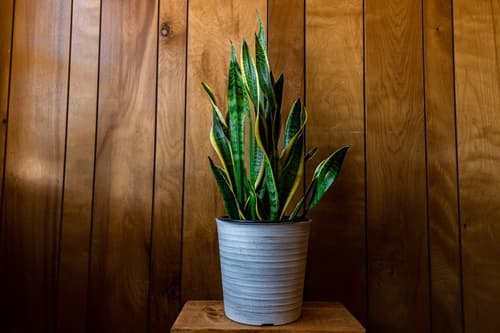
The snake plant — known botanically as Dracaena trifasciata and commonly also called mother-in-law's tongue — is one of the most popular indoor plants in the world, and for good reasons that extend well beyond its striking visual appeal. Its tall, architectural upright leaves with their distinctive dark green banding and yellow-edged varieties make it one of the most visually versatile houseplants available, complementing minimalist, modern, traditional, and eclectic interior styles equally well. But the snake plant benefits go considerably beyond aesthetics. It is one of a small number of indoor plants studied by NASA for its air-purifying properties, it is exceptionally tolerant of neglect and low-light conditions that kill most other houseplants, and it has been associated in research with improved indoor air quality, reduced airborne toxins, and even potential sleep improvement through its unusual nighttime oxygen production. For anyone looking for a low-maintenance plant that genuinely contributes to the health and quality of their indoor environment, understanding the full range of snake plant uses and the evidence behind them helps make a compelling case for adding one — or several — to any living or working space. This guide covers the most significant benefits, the science behind air purification claims, care requirements, safety considerations, and practical placement guidance.
Air Purification and Toxin Removal
The snake plant is perhaps best known for its air-purifying properties, which gained widespread public attention following NASA's 1989 Clean Air Study. This research investigated a range of common houseplants for their ability to remove volatile organic compounds (VOCs) from sealed environments. The snake plant was found to filter several common indoor air pollutants including benzene, formaldehyde, trichloroethylene, xylene, and toluene — compounds that off-gas from building materials, furniture, paints, cleaning products, and synthetic textiles in modern homes and offices. While subsequent research has clarified that the rate of air purification achieved by a single plant in a typical room is modest and would require numerous plants to produce the dramatic effects sometimes claimed, the scientific basis for the filtration effect is real. The snake plant absorbs these compounds through leaf stomata and breaks them down through the action of microorganisms in the root zone soil. In enclosed, poorly ventilated spaces — home offices, bedrooms, and rooms with new furniture — even modest toxin reduction is a genuine and meaningful benefit.
Nighttime Oxygen Production
Most plants perform photosynthesis and release oxygen during daylight hours and absorb oxygen at night. The snake plant is among a small group of plants — along with other succulents such as aloe vera and orchids — that use Crassulacean Acid Metabolism (CAM), a specialised photosynthetic process that allows them to open their stomata and release oxygen at night rather than during the day. This makes the snake plant distinctly beneficial as a bedroom plant, as it continues to contribute oxygen to the room environment during sleeping hours rather than competing with occupants for oxygen as typical plants do overnight. While the volume of oxygen produced by a single plant is not transformative, the principle is sound and the nighttime oxygen contribution is a genuine differentiator from most other houseplants.
10 Benefits of Snake Plant at a Glance
Psychological and Wellbeing Benefits
Beyond the measurable physical effects on air quality, the snake plant benefits extend into psychological wellbeing. A substantial body of research on biophilic design — the principle that human beings have an innate affinity for natural elements — demonstrates that the presence of living plants in indoor environments consistently reduces cortisol levels, lowers perceived stress, improves mood, and increases feelings of calm and restoration. Even a single plant in a work or living space has been shown in multiple studies to produce these effects, with the benefit scaling with greater plant presence. For people seeking to create a more restorative home environment — particularly in spaces dedicated to rest and recovery — the snake plant is an ideal choice. Some people incorporate relaxation practices alongside their indoor environment improvements, using products like a relaxing gel during evening wind-down routines or Easy to rub Emulsion for massage and body care as part of a holistic approach to creating calm, restful spaces. Research in hospital and workplace settings has found that even patients recovering from surgery experienced less pain, required fewer pain medications, and reported lower anxiety when their room contained living plants compared to those without. The mechanism appears to involve the parasympathetic nervous system response to natural stimuli — a physiological calming effect that operates independently of conscious appreciation of the plant. This makes snake plants particularly valuable not just as decorative elements but as functional components of a deliberately designed restorative environment. Combining environmental quality improvements — cleaner air, better aesthetics, reduced cortisol from plant presence — with deliberate personal care routines produces a meaningfully more restorative home atmosphere than either element alone achieves.
How Easy Is the Snake Plant to Care For?
The snake plant is genuinely one of the most tolerant and forgiving houseplants available, which is a central part of its appeal alongside its aesthetic and functional benefits. It survives a remarkably wide range of conditions that would kill most other indoor plants. It tolerates low light well, though it grows faster and produces more vibrant colouring in indirect bright light. It is highly drought-tolerant — in fact, overwatering is the most common cause of snake plant death, as its roots are susceptible to root rot in persistently moist soil. Watering once every two to four weeks in summer and even less frequently in winter is typically appropriate. It tolerates a wide temperature range, handles dry indoor air well, and rarely suffers from pest problems. It requires repotting only when roots visibly outgrow the container, which for a slow-growing plant can be years. For people who want the benefits of indoor plants without the time commitment of high-maintenance species, the snake plant is almost uniquely suited.
Is a Snake Plant Safe for Bedrooms and Around Pets?
Snake plants are safe to place in bedrooms for humans and are particularly beneficial there given their nighttime oxygen production. However, they are mildly toxic to cats and dogs — ingestion of the leaves causes nausea, vomiting, and gastrointestinal discomfort in pets. In households with cats or dogs that are likely to chew houseplants, placing snake plants out of reach or choosing a different species is advisable. For pet-free households, bedrooms are an excellent placement location — they combine the air-purifying and nighttime oxygen benefits in the room where air quality is most directly relevant to health and sleep quality.
Frequently Asked Questions
What are the main benefits of a snake plant?
The main snake plant benefits include indoor air purification through absorption of VOCs such as benzene and formaldehyde, nighttime oxygen production from CAM photosynthesis, psychological stress reduction through biophilic exposure, humidity regulation through transpiration, exceptional ease of care and drought tolerance, longevity and low maintenance requirements, and strong aesthetic versatility that complements virtually any interior design style.
How does a snake plant improve indoor air quality?
Snake plants improve indoor air quality by absorbing volatile organic compounds through their leaf stomata and breaking them down through microorganisms in the root zone soil. VOCs including benzene, formaldehyde, xylene, toluene, and trichloroethylene are among the compounds filtered. These chemicals off-gas from building materials, furniture, paints, and cleaning products in most modern homes. The filtration effect per plant is modest but real and provides meaningful benefit in smaller, poorly ventilated spaces.
Is a snake plant easy to care for indoors?
Yes — the snake plant is one of the easiest houseplants available. It tolerates low light, requires watering only once every two to four weeks, withstands drought well, handles dry indoor air without issue, and rarely develops pest problems. The primary care mistake to avoid is overwatering — its roots rot easily in constantly moist soil. Beyond appropriate watering frequency and occasional indirect bright light, it requires minimal attention and can thrive for years with very little intervention.
Can a snake plant remove toxins from the air?
Yes, with the caveat that the scale of removal per plant is modest. Research including NASA's Clean Air Study confirmed that snake plants filter VOCs including benzene, formaldehyde, xylene, toluene, and trichloroethylene from indoor air. The mechanism involves absorption through leaf stomata and breakdown by root zone microbiota. A single plant in a typical room will not transform air quality dramatically, but in poorly ventilated spaces with significant off-gassing sources, even modest toxin reduction is a genuine and worthwhile benefit.
Is a snake plant safe to keep in the bedroom?
Yes, and the bedroom is arguably the best location for snake plants. Their CAM photosynthetic process releases oxygen at night rather than during the day, unlike most plants, making them actively beneficial in bedrooms during sleeping hours. They are completely safe for humans in bedrooms. The only safety consideration is for cats and dogs — snake plant leaves are mildly toxic to pets if ingested, causing gastrointestinal symptoms. Keep them out of reach in pet-occupied households.
How often should you water a snake plant?
Water snake plants once every two to four weeks during the growing season in spring and summer, and even less frequently — once every four to six weeks or less — during autumn and winter when growth slows. Always allow the soil to dry out completely between waterings. Overwatering is by far the most common and damaging mistake with snake plants, leading to root rot that can kill the plant within weeks. When in doubt, underwater rather than overwater — the plant handles drought far better than excess moisture.
Does a snake plant help improve sleep and relaxation?
The snake plant contributes to a better sleep environment in two meaningful ways: its nighttime oxygen production adds to the ambient oxygen level in the bedroom during sleeping hours, and its presence as a living plant contributes to the stress-reducing and cortisol-lowering psychological effects consistently documented in biophilic research. While it is not a medical sleep intervention, combining a snake plant in the bedroom with a clean, organised space and a deliberate relaxation routine creates a genuinely more restorative sleep environment than the absence of these elements.
Key Takeaways
• Snake plants filter VOCs including benzene, formaldehyde, and xylene from indoor air through leaf absorption and root zone microbial breakdown.
• They use CAM photosynthesis to release oxygen at night rather than during the day, making them uniquely beneficial as bedroom plants.
• The presence of indoor plants consistently reduces cortisol and perceived stress in research on biophilic design — a genuine wellbeing benefit.
• Snake plants are among the easiest houseplants to maintain: they thrive in low light, tolerate long gaps between watering, and rarely develop pest issues.
• Overwatering is the primary cause of snake plant death — water only when the soil has dried completely, every two to four weeks in growing season.
• Snake plants are safe for human bedrooms and are an ideal placement for combining air purification and nighttime oxygen benefits where they matter most.
• They are mildly toxic to cats and dogs if ingested — keep out of reach in pet-occupied households or choose an alternative species.
Share this article: