
Shatavari Powder Explained: Benefits, Uses, Dosage, and the Science Behind It
2026-09-14 • 4 min
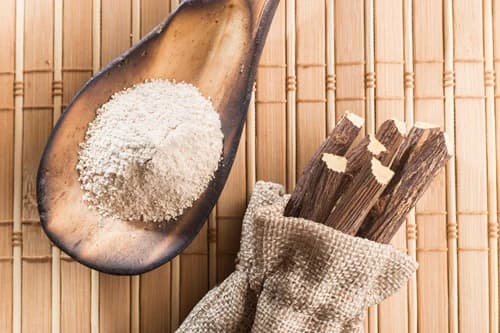
Shatavari has been used in traditional medicine for ages – and people are continuing to use it even now. It is made from the dried roots of the plant called Asparagus racemosus. Shatavari powder is an easy way to enjoy the plant's benefits. You must know how to use it properly to leverage all of its benefits.
Tradition Meets Wellness
In traditional Ayurvedic medicine, shatavari is known as a rasayana, which is used to promote health. This plant is considered very beneficial for health and is good for the digestive system and women's health. Therefore, it gained popularity among Indians and was used extensively in the past.
How Shatavari Works
The root of Shatavari contains active principles called shatavarins. After consumption, the substances are involved in a variety of biological processes. They have estrogenic activity, which helps explain many of the traditional uses of the herb. Other components regulate cellular responses and functions. This combination makes shatavari what it is and enables it to become a herbal ingredient.
Shatavari Powder vs Capsules
Both methods provide an easy way to consume shatavari; however, they differ in consumption.
Potential Benefits of Shatavari Powder
Shatavari powder contains plant compounds that are naturally occurring and associated with many functions in the body. Shatavari powder benefits are often associated with hormonal and reproductive health, digestive comfort, antioxidant activity, immune function and vitality. Its nourishing properties have made it especially relevant at different stages of a woman’s life. The herb’s varied properties and rich history of use make it a recognisable ingredient in today's wellness routines.
Hormonal Support
The plant changes the hormonal condition of women, positively affects the menstrual cycle, and reduces symptoms of menopause. Shatavari increases female fertility by causing ovulation and improving cervical mucus quality and quantity. This plant decreases the effect of stress on the body due to its adaptogenic features. As a result, the uterus becomes less inflamed, and the reproductive system is strengthened.
Lactation Aid
The use of shatavari powder for breast milk has been used traditionally and has gained scientific interest in its potential galactagogue properties, or more specifically, its possible role in supporting breast milk production. Small clinical trials have shown promising results, but milk supply can be influenced by factors such as how often the baby feeds, how well the baby latches, the mother’s health, medications, hormones and other individual factors.
Antioxidant & Anti-inflammatory Activity
The human body produces reactive molecules as a part of normal metabolic processes. The antioxidant properties of the herb contribute to the body’s homeostasis by reducing the negative impact of oxidised molecules. Shatavari has natural antioxidants and anti-inflammatory properties that help the body in its day-to-day functions and support normal immune response.
Digestive Health
Shatavari powder is good for the digestive system because it soothes and calms the stomach and intestines. Moreover, this medicinal plant has mild laxative properties, which help get rid of constipation and normalise the digestive tract function. Preventing excessive stomach acid and protecting the gastric mucosa from its negative effects, this herb helps prevent ulcers and other digestive tract diseases.
Immune Support
The Shatavari Powder contains a variety of antioxidant substances that help prevent infectious diseases. They make the immune system more active and vital. This plant increases the body’s resistance to infection, inhibits the development of allergic reactions, and improves the function of macrophages.
Different Ways to Use Shatavari Powder
Shatavari powder is easily added to regular meals and drinks. You can stir it into warm milk or water, blend it into smoothies or add it to oatmeal, yoghurt, porridge and homemade shakes. It also has a natural earthiness to its flavour, which pairs well with creamy or slightly sweet ingredients, so it’s good in a variety of mixes. There are many ways to prepare it, so you can easily choose one that suits your taste and fits naturally into your daily routine.
Best Time to Take Shatavari
Shatavari is easy to add into morning and evening wellness routines. It can be part of a normal breakfast in the morning or added to the end of the day in the evening. The time may differ your habits, lifestyle and schedule. Taking shatavari consistently means taking it in a simple, organised way for everyday wellness. It’s a versatile product that’s easy for people with different routines and preferences.
Possible Side Effects
But some potential side effects may occur, such as:
Gastrointestinal upset, such as bloating and gas.
Rashes and breathing problems.
Diuresis.
Heart function.
Who Should Avoid Shatavari?
If you have an allergy to asparagus or related plants.
If you are pregnant.
Hormonally labile individuals.
Patients with chronic diseases, for example, grade 1 fatty liver, should consult with their physician before use.
Persons who take regular doses of medicinal drugs.
Conclusion
Shatavari is an Ayurvedic herb that has been used for generations and is well known for women’s wellness. Combine it with the best multivitamin in India for everyday nutrition as part of a healthy diet and an active lifestyle. Shatavari is also simple to add into a regular wellness routine. Understanding how it is used and how it works can be a help to people to understand this herb better. It is popular till today for its simple ways of use and long history.
FAQ
1. What is Shatavari powder, and how is it used in Ayurveda?
Shatavari powder is made from the dried root of Asparagus racemosus. In Ayurveda, it has traditionally been used to support women’s wellness, vitality, and general well-being.
2. What are the evidence-based health benefits of Shatavari powder?
Research has explored Shatavari for reproductive health, hormonal wellness, digestive support, and antioxidant activity.
3. What is the recommended daily dosage of Shatavari powder?
There is no universally established daily dosage. The appropriate amount depends on the product, preparation, concentration, and individual needs, so follow the product directions or seek professional guidance.
4. What is the best time to take Shatavari powder for maximum benefits?
Research has not established a specific time as most effective. It may be taken in the morning or evening according to product instructions, with consistency and individual tolerance generally being more important than timing.
Share this article: