
Pain Relief Patch: Benefits, Uses, and How It Works
2026-06-26 • 4 min
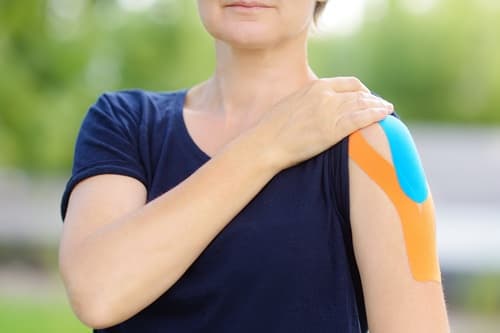
Living with pain can impact how you sleep, perform at work, move around, and spend quality time with your loved ones. Although a lot of people prefer taking painkillers to relieve their pain instantly, medications might not be the best option because of the side effects that come with them. For this reason, pain relief patches have become increasingly popular. These patches are small, convenient, portable, and are placed on the affected area for relief. In this blog, we will learn about pain relief patches.
What Is a Pain Relief Patch?
These are small pain-relief patches that are applied directly to the painful site on the skin. The active ingredients are slowly absorbed into the skin to give long-lasting pain relief.
Pain relief patches are commonly used for:
Muscle ache
Back pain
Neck pain
Shoulder pain
Joint pain
Knee pain
Sports injuries
General body stiffness
How Does a Pain Relief Patch Work?
A pain-relief patch releases medication in small amounts gradually, directly into your body through the skin. Once applied, the active ingredients from the patch are absorbed through the layers of skin to your underlying tissue, providing pain relief for that area for as long as it's in place. The type of ingredients used in the patch determine how it functions, as a patch can either provide a cooling sensation or a heat sensation. Not all patches are the same—some are designed to calm and relax, while others deliver a cooling or warming sensation that feels like active therapy on your skin. Since they slowly deliver medication, patches can work for several hours, making them a good option for those with busy schedules.
Benefits of Using a Pain Relief Patch
There are many reasons why people choose a pain relief patch instead of other pain management options like:
Targeted Relief: One of the biggest advantages is that the patch is applied directly to the area where discomfort exists.
Easy to Use: Pain relief patches are simple and convenient. Most patches only require three basic steps:
Clean the affected area.
Dry the skin completely.
Apply the patch.Continuous Support: Unlike some treatments that provide short-term relief, many patches release their active ingredients gradually over several hours.
Portable and Convenient: A patch for pain relief can easily fit into a bag, purse, gym kit, or travel pouch.
Non-Messy Application: Unlike creams, gels, or oils that may leave residue on the skin, patches are generally neat and easy to wear under clothing.
Supports an Active Lifestyle: Many people use pain relief patches to stay comfortable during daily activities, work, travel, exercise, or household tasks.
Common Uses of Pain Relief Patches
Pain relief patches have found widespread application in various kinds of pain conditions.
Muscle Pain: People who do heavy work, physical activity, sports, or other activities that require a lot of effort use a muscle pain relief patch.
The issue here is muscle pain due to possible strain or muscle fatigue. Applying a patch on the affected part will give some relief and help in recovering from the discomfort.
Back Pain: Back pain is another common condition where a patch could be an easy solution.
A patch can easily be applied in case back pain is caused by bad posture or any physical injury during physical activity.Neck and Shoulder Pain: With today's lifestyle involving looking at computers or mobile devices for long periods of time, neck and shoulder pain have become increasingly common. This is yet another area where patches may be used.
Joint Discomfort: Patients who experience joint problems like knee joint pain, elbow joint pain, wrist joint pain, and other such discomforts may use patches.
Sports Recovery: Many people use patches to help their bodies in recovering from their sporting activities.
Body Discomfort: When we work around the house, garden, or carry grocery bags, sometimes our bodies just hurt.
Pain Relief Patches and Wellness
Individuals have now started focusing on their overall well-being and not just the symptoms of the pain. Such wellness products, like pain relief patches, can be used as part of your wellness routine to support comfort, recovery, and daily mobility.
Regular exercise routine
Yoga positions
Staying hydrated
Maintaining proper posture
Nutritional well-being
Sleeping habits
Many pain-relief patches can also be used with natural options like Reset Yoga Oil. When used properly, they can help people stay active, recover better, and move more comfortably.
How to Apply a Pain Relief Patch Correctly
Let's check out these simple tips to get the best results from your patch:
Step 1: Clean Your Skin: Clean the skin that is affected by pain. Get rid of all the sweat, dirt, or oils on your skin.
Step 2: Dry your skin: The patch will not be able to stick to wet skin. Hence, your skin should be completely dry before applying it.
Step 3: Remove the back paper: Carefully remove the back paper from the patch, without touching the adhesive part.
Step 4: Apply the patch to the affected area: Simply place the patch on the part of the skin that is paining.
Step 5: Apply mild pressure: Place your hand on the patch for a little while to secure it to your skin.
Who Can Benefit from a Pain Relief Patch?
This pain relief patch is ideal for:
Office Workers
Athletes
Fitness Enthusiasts
Travelers
Adults
Pain Relief Patch Side Effects
Pain patches are usually safe and easy to use, although you might experience some side effects, like:
Redness of the skin
Itchiness
Irritation
Tenderness in the area where the pain patch is applied
Allergic reactions
For minimizing the chances of skin irritation, here is what you need to do:
Do not apply it to broken skin.
Apply only one patch at once
Tips for Getting the Best Results
To make full use of your patch:
Ensure that your skin is clean before applying it: This helps it stick better and maximizes its effectiveness.
Apply the patch to the site where there is pain: The patch should be applied to the site where you feel the pain.
Avoid wearing it for too long: This will depend on what the manufacturer advises.
Other factors: Things like stretches, exercising, hydrating, and sleeping well will also help ease the pain while using the patch.
Choosing the Right Pain Relief Patch
It should be noted that not all pain relief patches are alike. Here are a few things that you need to consider before deciding on one:
Type of pain: Do you have muscle pain or arthritis? Some patches are more appropriate than others depending on your specific type of pain.
Duration: Does it need to last for a few hours, or would you prefer something that provides longer pain relief, such as up to 12 or 24 hours?
The components: The ingredients in pain-relieving patches can vary. Some patches have lidocaine to help numb the skin, for instance, or ingredients like menthol or capsaicin for a cooling or warming effect to help reduce discomfort. menthol and eucalyptus to create a cool sensation.
Your skin sensitivity: Do you experience irritation easily? You might need to pay extra attention to this factor when choosing a patch.
Ease of application: It can also be a challenge in certain circumstances, like when you can't reach the affected area yourself.
When Should You Consult a Doctor?
Consult a doctor if the pain is severe, lasts many days, comes back, or worsens over time. Seek medical attention if you experience swelling, redness, warmth, numbness, tingling, weakness, or pain following an accident. If you get a rash, burning, itching, or swelling after applying the patch, remove it and visit your doctor.
Conclusion
Managing the daily pains and aches can become easy and fast with a pain relief patch. If you have any muscle aches, back pain, joint stiffness, or workout pains, the pain relief patch can work well for you. Using the pain relief patch is very easy and has so become a major trend in our contemporary life. Incorporating pain relief patches along with other products, such as Reset Yoga Oil, into your wellness routine, including exercising and stretching, can play a major role in keeping you motivated throughout the day.
Frequently Asked Questions (FAQs)
What is a pain relief patch, and how does it work?
It is an adhesive patch that is placed on the skin. This patch helps in delivering pain-relieving medication slowly and consistently through the skin in the painful area.
What are the main benefits of using a pain relief patch?
The advantages include targeted pain relief, convenience, simplicity in use, portability, continuous support, and a non-messy application method, unlike certain creams and gels.
How long does a pain relief patch take to start working?
Most pain relief patches begin working within 15-30 minutes, though this period may vary based on the chemicals and type of patch.
Can a pain relief patch be used for muscle and joint pain?
Yes, pain relief patches are widely used to relieve muscle aches, joint discomfort, back pain, neck pain, and sports-related stiffness by delivering active substances to the affected area.
Are there any side effects associated with pain relief patches?
Some possible side effects of the pain-relieving patch may be minor irritation to the skin, discoloration, itching, or an allergic reaction among those who are sensitive.
How often should I apply a pain relief patch for effective results?
Each brand will have different instructions, so please refer to the specific product's guidelines to know exactly how long you should be wearing them and when to change them out.
Who should avoid using a pain relief patch, and when should a doctor be consulted?
Individuals who suffer from allergic reactions to the contents of patches, have skin injuries, or have other medical conditions must first seek consultation from their doctor prior to applying the patch. A person with severe pain should also seek advice from their doctor.
Share this article: