
Oxygen Plant That You Can Use at Home and Office: Best Indoor Plants for Fresh Air and Better Health
2026-05-09 • 4 min
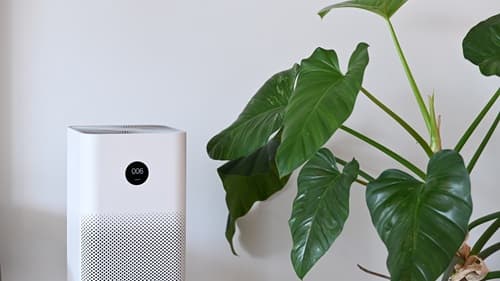
Indoor spaces have become the center of modern life. Whether you work from home, spend long hours in an office, or simply want a healthier environment for your family, air quality matters more than ever. This is where an oxygen plant can make a real difference.
Indoor plants are no longer just decorative elements. They help improve air quality, reduce stress, support better breathing, and create a calming atmosphere. Many people now search for the best oxygen plant indoor options because they want natural ways to improve the environment inside homes and workplaces.
But here’s the thing: not every plant produces oxygen at the same level, and some are much more effective indoors than others. If you are wondering which plant gives more oxygen, how to choose the right oxygen plant for home indoor use, and which varieties work best for offices, this detailed guide covers everything you need to know.
Why Oxygen Plants Matter Indoors
Most modern buildings are sealed environments. Air conditioners, electronic devices, furniture polish, paints, and synthetic materials can release pollutants into indoor air. Poor ventilation can make the problem even worse.
An oxygen plant helps by:
Increasing oxygen levels naturally
Absorbing carbon dioxide
Filtering harmful toxins from the air
Improving humidity indoors
Creating a stress-free atmosphere
Supporting better sleep and concentration
Studies from NASA’s Clean Air Study also showed that several indoor plants can remove toxins such as benzene, formaldehyde, and xylene from the air.
This is why adding an oxygen plant indoor setup at home or office has become increasingly popular.
How Indoor Plants Produce Oxygen
Plants use a process called photosynthesis. During daylight, they absorb carbon dioxide and release oxygen. Some plants also continue oxygen exchange at night through special metabolic processes.
That’s why certain oxygen plant for home indoor varieties are especially recommended for bedrooms and office spaces where people spend long hours.
Benefits of Keeping Oxygen Plants Indoors
1. Better Air Quality
Indoor air pollution can trigger allergies, headaches, and breathing discomfort. An oxygen plant helps clean the air naturally.
2. Reduced Stress Levels
Research shows that greenery indoors reduces anxiety and improves mood. Offices with plants often report higher productivity and lower stress.
3. Improved Sleep
Some oxygen plant indoor varieties release oxygen even during nighttime, making them ideal for bedrooms.
4. Increased Humidity
Indoor air conditioning can dry the air. Plants release moisture naturally and help maintain humidity.
5. Enhanced Focus and Productivity
Plants in offices can improve concentration and cognitive performance.
Which Plant Gives More Oxygen Indoors?
One of the most common questions people ask is: which plant gives more oxygen?
Several plants are known for high oxygen production and excellent indoor adaptability. Here are the top choices.
1. Areca Palm – The Ultimate Oxygen Plant
The Areca Palm is widely considered one of the best oxygen plant indoor options.
Why It’s Popular
Produces high oxygen levels
Excellent air purifier
Adds humidity to dry rooms
Safe for pets
Looks elegant in homes and offices
Ideal Placement
Living rooms
Office corners
Reception areas
Balconies with indirect light
Care Tips
Keep in bright indirect sunlight
Water moderately
Avoid overwatering
If you are searching for an oxygen plant for home indoor decoration and health benefits together, the Areca Palm is one of the top choices.
2. Snake Plant – Best Bedroom Oxygen Plant
The Snake Plant, also known as Mother-in-Law’s Tongue, is famous for releasing oxygen at night.
Benefits
Removes toxins from air
Requires very little maintenance
Survives low light
Excellent for bedrooms
Why It Stands Out
When discussing which plant gives more oxygen at night, the Snake Plant is always among the top recommendations.
Best Locations
Bedrooms
Study rooms
Office desks
Apartments
Care Requirements
Minimal watering
Low maintenance
Thrives in indirect light
This oxygen plant indoor variety is perfect for beginners.
3. Aloe Vera – A Medicinal Oxygen Plant
Aloe Vera is not just known for skincare. It is also an effective oxygen plant for home indoor use.
Key Benefits
Produces oxygen efficiently
Removes formaldehyde and benzene
Easy to maintain
Medicinal uses for skin and burns
Placement Tips
Kitchen windows
Sunny office corners
Bedrooms
Maintenance
Needs sunlight
Water sparingly
For people looking for both wellness and decoration, Aloe Vera is a practical oxygen plant indoor solution.
4. Money Plant – Popular Indoor Oxygen Plant
The Money Plant is one of the most common indoor plants in homes and offices.
Benefits
Improves indoor air quality
Easy to grow in water or soil
Symbolically linked to prosperity
Low maintenance
Why Offices Love It
Money Plants adapt well to office lighting and need very little care.
Ideal Spaces
Workstations
Meeting rooms
Hallways
Home entrances
This oxygen plant for home indoor environments is highly versatile.
5. Peace Lily – Beautiful and Functional
Peace Lily is admired for both its beauty and air-purifying capabilities.
Advantages
Filters indoor toxins
Produces oxygen
Enhances indoor aesthetics
Thrives in low light
Care Instructions
Keep soil moist
Avoid direct sunlight
Wipe leaves occasionally
If you want an oxygen plant indoor option that also flowers beautifully, Peace Lily is a great choice.
6. Tulsi (Holy Basil) – Traditional Oxygen Plant
Tulsi has deep roots in traditional wellness practices and is highly respected as an oxygen plant.
Benefits
Releases oxygen for long hours
Has antibacterial properties
Supports respiratory health
Natural mosquito repellent
Best Placement
Balconies
Kitchen windows
Indoor areas with sunlight
Tulsi is often considered among the best oxygen plant for home indoor wellness purposes.
7. Bamboo Palm – Excellent Office Oxygen Plant
Bamboo Palm is another powerful indoor oxygen generator.
Why It Works Well
Filters toxins effectively
Creates tropical indoor ambiance
Handles indoor lighting well
Perfect For
Offices
Hotels
Large living rooms
If your question is which plant gives more oxygen while also enhancing aesthetics, Bamboo Palm deserves attention.
8. Spider Plant – Easy Indoor Oxygen Plant
Spider Plants are resilient and beginner-friendly.
Benefits
Removes carbon monoxide
Safe for pets
Fast-growing
Produces oxygen efficiently
Ideal Locations
Hanging baskets
Office shelves
Bedrooms
This oxygen plant indoor option is great for small apartments and compact offices.
9. Rubber Plant – Strong Air Purifier
Rubber Plants are known for their glossy leaves and air-cleaning abilities.
Advantages
Removes toxins
Produces oxygen
Easy to maintain
Care Tips
Moderate watering
Bright indirect light
A Rubber Plant can become a stylish oxygen plant for home indoor decoration.
10. Neem Plant – Natural Oxygen Booster
Neem is traditionally known for its medicinal and environmental benefits.
Why It’s Valuable
Purifies air naturally
Produces oxygen effectively
Has antibacterial properties
Though larger varieties are better outdoors, smaller indoor neem plants can still work as oxygen plant indoor additions.
Best Oxygen Plants for Home Indoor Spaces
Different rooms require different plants. Here’s how to choose wisely.
Best Oxygen Plants for Bedrooms
The bedroom needs plants that release oxygen during nighttime.
Top Choices
Snake Plant
Aloe Vera
Peace Lily
These oxygen plant for home indoor varieties help improve sleep quality and breathing comfort.
Best Oxygen Plants for Living Rooms
Living rooms benefit from larger decorative plants.
Recommended Options
Areca Palm
Bamboo Palm
Rubber Plant
These plants improve aesthetics while functioning as effective oxygen plant indoor solutions.
Best Oxygen Plants for Kitchens
Kitchen spaces need hardy plants that can handle heat and occasional humidity.
Good Choices
Aloe Vera
Tulsi
Spider Plant
Best Oxygen Plants for Offices
Office spaces need low-maintenance plants.
Ideal Office Plants
Money Plant
Snake Plant
Bamboo Palm
Peace Lily
These oxygen plant indoor varieties work well even under artificial lighting.
How Many Oxygen Plants Should You Keep Indoors?
A common question is how many plants are enough.
A good general recommendation is:
1 medium-sized plant per 100 square feet
Larger rooms may need 3–5 plants
Offices can use desk plants plus larger corner plants
The more greenery you introduce, the better the indoor air quality becomes.
Can Indoor Oxygen Plants Replace Air Purifiers?
Not entirely.
While an oxygen plant helps improve air quality naturally, plants alone may not completely replace modern air purification systems in highly polluted environments.
However, combining plants with good ventilation creates a healthier indoor environment.
Common Mistakes People Make with Indoor Oxygen Plants
1. Overwatering
Most indoor plants die from excessive watering, not lack of water.
2. Wrong Lighting
Every oxygen plant indoor variety has different light requirements.
3. Ignoring Dust on Leaves
Dust blocks photosynthesis. Clean leaves regularly.
4. Poor Pot Drainage
Standing water damages roots.
5. Choosing Plants Unsuitable for Indoors
Always select genuine oxygen plant for home indoor varieties.
Low-Maintenance Oxygen Plants for Busy People
If you don’t have time for gardening, choose:
Snake Plant
Money Plant
Spider Plant
ZZ Plant
Aloe Vera
These plants survive with minimal attention.
Which Plant Gives More Oxygen at Night?
Only a few plants continue oxygen release during nighttime.
Best Night Oxygen Plants
Snake Plant
Aloe Vera
Orchid
Neem (limited indoor varieties)
These are excellent bedroom choices.
Best Oxygen Plant Indoor Setup for Small Apartments
Small spaces can still benefit greatly from indoor plants.
Space-Saving Ideas
Hanging Spider Plants
Shelf-based Money Plants
Compact Snake Plants
Vertical plant stands
Even a few plants can improve air freshness significantly.
Psychological Benefits of Oxygen Plants
Beyond oxygen production, indoor greenery has mental health advantages.
Benefits Include
Reduced anxiety
Better mood
Improved creativity
Lower work stress
Better emotional balance
This is why offices increasingly invest in oxygen plant indoor setups.
Feng Shui and Vastu Importance of Oxygen Plants
Many cultures associate indoor plants with positivity and prosperity.
Common Beliefs
Money Plant attracts prosperity
Tulsi promotes positivity
Bamboo brings balance
Areca Palm creates harmony
Though these are traditional beliefs, many people find emotional comfort in maintaining indoor greenery.
Oxygen Plants Safe for Pets
Some indoor plants can be toxic to pets.
Pet-Friendly Oxygen Plants
Areca Palm
Spider Plant
Bamboo Palm
Always verify safety before bringing plants into homes with animals.
Seasonal Care Tips for Indoor Oxygen Plants
Summer
Increase watering slightly
Avoid harsh direct sunlight
Winter
Reduce watering
Keep away from cold drafts
Monsoon
Prevent root rot
Ensure proper drainage
Proper seasonal care keeps your oxygen plant indoor collection healthy throughout the year.
Natural Air Purification Through Indoor Plants
An oxygen plant does more than release oxygen. Many varieties also absorb toxins like:
Benzene
Carbon monoxide
Formaldehyde
Xylene
Toluene
This improves overall indoor wellness.
How to Arrange Oxygen Plants Indoors
Placement matters for maximum benefits.
Tips
Place larger plants near windows
Use small desk plants in offices
Add bedroom plants near corners
Avoid overcrowding
Balanced placement improves both aesthetics and airflow.
Best Combination of Indoor Oxygen Plants
For ideal indoor air quality, combine multiple varieties.
Suggested Combo
Snake Plant for bedrooms
Areca Palm for living room
Money Plant for office desk
Tulsi near windows
Aloe Vera in kitchen
This creates a balanced oxygen plant indoor ecosystem.
Do Indoor Plants Really Increase Oxygen Levels?
Yes, but within limits.
Plants contribute to healthier air by:
Releasing oxygen
Improving humidity
Absorbing toxins
Supporting emotional wellness
While they may not dramatically change oxygen percentages in large spaces, they significantly improve indoor environmental quality.
Future Trend: Oxygen Plants in Smart Offices
Modern workplaces increasingly integrate biophilic design, which includes:
Indoor gardens
Plant walls
Oxygen-rich workspaces
Nature-inspired interiors
The demand for oxygen plant indoor arrangements is growing rapidly because companies recognize their impact on productivity and wellness.
Final Thoughts
Adding an oxygen plant to your home or office is one of the simplest ways to create a healthier and more refreshing indoor environment. Whether you choose an Areca Palm, Snake Plant, Money Plant, or Tulsi, every plant contributes to cleaner air and better wellbeing.
If you are still wondering which plant gives more oxygen, the answer depends on your space, lighting, maintenance preference, and purpose. For overall indoor performance, Areca Palm and Snake Plant remain among the strongest choices.
A thoughtfully selected oxygen plant for home indoor use not only improves air quality but also transforms the feel of a room. Homes become calmer, offices become more productive, and indoor spaces feel more connected to nature.
In today’s fast-moving lifestyle, even a few indoor plants can make a noticeable difference in how you breathe, work, sleep, and feel every day.
Share this article: