Emulsion Pain relief roll on
An easy to apply potent formula with roll-on massager

₹549.00
₹449.00
4.6

2026-02-20 • 4 min
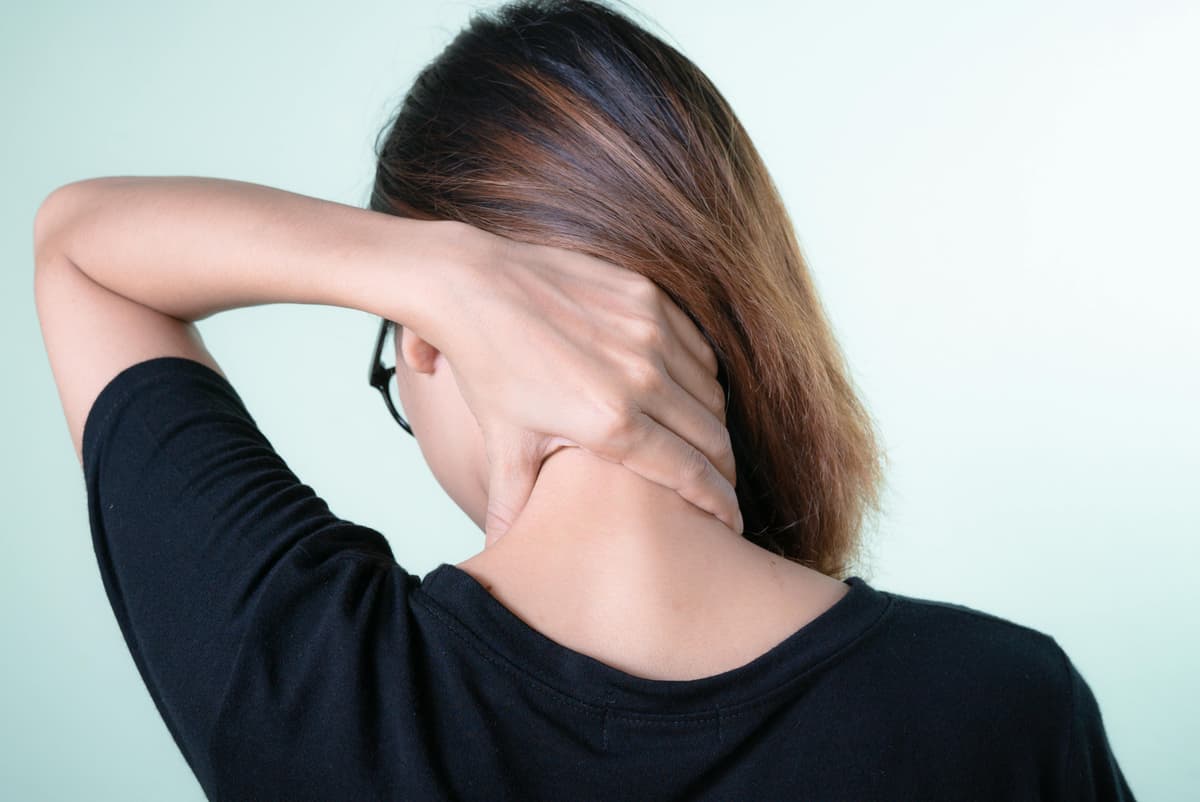
You wake up, try to glance over your left shoulder, and are instantly stopped by a sharp, localized catch. Or perhaps it is a dull, relentless ache that runs exclusively from the base of your skull down to your left shoulder blade, leaving your right side completely fine.
Experiencing neck pain left side specifically is incredibly common, yet it is often misunderstood.
Why would only half of your neck be in distress? The human body is designed for symmetry, but our modern, high-performance lifestyles are highly asymmetrical. From the way we sleep, to how we lean on our armrests during a commute, to the shoulder we use to hold our phones—we constantly subject one side of our cervical spine to disproportionate mechanical stress.
At Reset, we know that treating unilateral (one-sided) pain requires a targeted approach. You cannot simply apply generic fixes to a specific imbalance.
In this comprehensive guide, we will decode the anatomy of left-sided neck pain, identify the hidden daily habits causing your discomfort, and lay out the Reset Protocol—featuring advanced home care strategies and the localized power of our Reset Emulsion—to unlock your neck and restore your symmetry.
To effectively eliminate the pain, you must understand the machinery that is malfunctioning. When pain is isolated to the left side of your cervical spine (C1-C7), it is typically an issue with the soft tissue (muscles and ligaments) or the nerves branching out from the left side of the vertebrae.
Here are the primary suspects in left-sided neck pain:
This muscle connects your cervical vertebrae to your left shoulder blade. Its primary job is to elevate the scapula (shrugging). When you are stressed, or if you carry a heavy bag on your left shoulder, this muscle stays in a state of chronic contraction, developing painful, oxygen-starved "knots."
This is the thick band of muscle that runs from behind your left ear down to your left collarbone. If you sleep on your stomach with your head turned to the right, your left SCM is stretched and strained for eight hours straight.
The large, kite-shaped muscle spanning your upper back and neck. If your workstation is set up so that you constantly have to look slightly to the left (e.g., a secondary monitor), the left side of your trapezius will fatigue faster than the right.
Sudden injuries like whiplash are obvious causes of neck pain. However, for most professionals, left-sided neck pain is the result of cumulative "micro-traumas"—small, repetitive habits that slowly degrade the tissue.
Do you ever multi-task by pinning your phone between your left ear and left shoulder while typing or writing? This forces the cervical spine into extreme lateral flexion while simultaneously engaging the muscles in a shortened, cramped position. Doing this for even 5 minutes a day can lead to chronic left-sided pain.
If you carry a heavy laptop bag, tote, or briefcase exclusively on your left shoulder, your left trapezius and levator scapulae must constantly contract to prevent the strap from slipping off. This sustained isometric hold starves the muscle of blood flow (ischemia), leading to stiffness.
Think about your posture during your daily commute. Many people naturally lean their weight onto the center console (often to the right) while holding the steering wheel with their left hand, keeping the left arm elevated and the left neck muscles engaged for the duration of the drive.
Sleeping on your left side with a pillow that is either too thick or too thin forces your cervical spine out of alignment. If the pillow is too high, the right side stretches while the left side compresses, causing you to wake up with a stiff neck on the left.
Identifying the exact nature of your neck pain left side dictates how you treat it.
Muscle Strain (Soft Tissue): The pain feels like a dull, heavy ache or a "pulling" sensation. It is highly localized to the neck and upper left shoulder. It usually worsens with movement and improves with heat and massage.
Cervical Radiculopathy (Nerve Pain): If a disc in your neck bulges or herniates to the left, it can pinch a nerve root. This feels like a sharp, burning, or "electric" pain that shoots from the left side of the neck down the left arm, sometimes reaching the fingers.
Tension Headaches: Pain radiating from the top left of the neck, wrapping around the left side of the head or behind the left eye, caused by tightened suboccipital muscles.
Important Medical Caveat: Because the heart is on the left side of the body, sudden, severe pain radiating down the left side of the neck, jaw, and left arm can occasionally be a symptom of a cardiac event (heart attack). If this is accompanied by shortness of breath, sweating, or chest pressure, seek emergency medical care immediately.
When half of your neck is locked up, you need a protocol that directly addresses the localized inflammation while encouraging the opposing muscles to release.
Before you try to stretch a stiff neck, you must lower the neurological "threat level." Pain causes your muscles to reflexively guard and tighten further.
The Solution: Reset Emulsion
Why it works: Bypassing the digestive system (unlike oral painkillers), applying Reset Emulsion directly to the left side of the neck delivers immediate, concentrated relief. The active botanical compounds reduce local inflammation and interrupt the pain signals traveling to the brain.
The Method: Apply a liberal amount of the emulsion starting from behind the left ear, tracing down the side of the neck to the top of the left shoulder. Use your right hand to gently massage the emulsion in downward strokes, promoting lymphatic drainage and easing the muscle spasm.
Once the Reset Emulsion has desensitized the area, gently introduce movement to rehydrate the stiff tissues.
1. Right Lateral Flexion (The Open Up)
Sit tall. Anchor your left shoulder by gripping the bottom of your chair with your left hand.
Slowly drop your right ear toward your right shoulder.
You will feel a deep, releasing stretch along the painful left side.
Hold for 20 seconds. Breathe deeply.
2. Left Cervical Rotation (The Scan)
Sit up straight. Very slowly, turn your head to look over your left shoulder.
Only go to the point of mild tension, not sharp pain.
Hold for 3 seconds, then return to center. Repeat 10 times to lubricate the facet joints on the left side of your spine.
For stubborn, localized pain, use temperature to create a "pump" effect that flushes out inflammatory chemicals.
Apply an Ice Pack wrapped in a towel to the left side of the neck for 3 minutes to numb sharp pain and constrict blood vessels.
Immediately switch to a Warm Compress (or a hot shower stream) for 3 minutes to dilate vessels and flood the area with healing, oxygen-rich blood.
Repeat this cycle 3 times.
Pain relief is the first step; preventing recurrence is the ultimate goal. To stop left-sided neck pain from returning, you must audit your asymmetry.
If you are right-handed, you likely carry heavy items on your left shoulder to keep your dominant hand free. Force yourself to alternate shoulders every single day, or better yet, switch to a well-balanced backpack to distribute the load evenly across both trapezius muscles.
Ensure your primary monitor is directly in front of your nose. If you use dual monitors, angle them equally or center yourself exactly between them. Do not spend your 8-hour workday with your neck rotated slightly to the left.
If you are a dedicated side sleeper, your pillow must perfectly fill the gap between your mattress and your ear, keeping your nose perfectly in line with your sternum. If your neck tilts up or down, your pillow is the wrong height.
Most instances of left-sided neck pain resolve within a week using home care and targeted topical relief. However, consult a physical therapist or physician if:
The pain is accompanied by numbness, tingling, or weakness in your left arm or hand.
The pain was caused by a sudden impact or trauma.
You experience unexplained fevers, weight loss, or if the pain wakes you up from a deep sleep.
The stiffness persists for more than two weeks despite active recovery efforts.
Left-sided neck pain is a clear message from your body: your biomechanics are out of balance. By identifying the asymmetrical habits in your daily routine and addressing the physical strain with the Reset Protocol, you can take control of your recovery.
Do not let localized stiffness dictate your performance. Hydrate, correct your workspace, and utilize the soothing power of Reset Emulsion to erase the tension.
Symmetry is strength. Reset your alignment today.
Q: Why does only the left side of my neck hurt? A: Unilateral pain is almost always due to asymmetrical lifestyle habits. Sleeping awkwardly on the left side, carrying bags on the left shoulder, using a phone on the left ear, or leaning to one side while driving or working all place disproportionate stress on the left cervical muscles.
Q: Can a pinched nerve cause pain only on the left side of the neck? A: Yes. If a cervical disc herniates or bulges to the left side of the spinal canal, it will compress the nerve root exiting on the left. This typically causes a sharp, shooting pain that may radiate down the left shoulder, arm, and into the fingers.
Q: Is left-sided neck pain related to the heart? A: Because the heart is located slightly to the left, cardiac pain (angina or a heart attack) can sometimes radiate to the left side of the neck, jaw, and left arm. If your neck pain is sudden and accompanied by chest tightness, shortness of breath, nausea, or dizziness, seek emergency medical care immediately.
Q: How should I sleep with left-sided neck pain? A: The best position is on your back with a supportive cervical pillow and a small rolled towel under your neck to maintain the natural curve. If you must sleep on your side, sleep on the right side to avoid putting direct pressure on the painful left muscles, ensuring your pillow keeps your head perfectly level.
Audit Your Asymmetry: Identify the one-sided habits causing the strain. Stop holding your phone between your ear and shoulder, and immediately begin alternating the shoulder you use to carry your bags to prevent unilateral muscle fatigue.
Target the Tension: Break the localized pain cycle fast. Apply Reset Emulsion specifically to the left Levator Scapulae and SCM muscles. The transdermal actives will soothe the spasms and prepare the tissue for mobility.
Stretch the Opposite Side: To relieve the left side, you must open it up. Gently drop your right ear toward your right shoulder to safely lengthen and decompress the inflamed muscles on the left side of your cervical spine.
Optimize Your Ergonomics: Center your workstation. Ensure your monitor is directly in front of you so you are not spending hours with your neck rotated to the left, which creates chronic ischemic tension.
Share this article:
An easy to apply potent formula with roll-on massager
₹549.00
₹449.00
A value pack for natural pain relief with a harmonious blend of natural herbs.

₹419.00
₹379.00
Detox your body today with powerful herbs.

₹929.00
₹749.00
An optimal choice for safe and natural pain relief.

₹349.00
₹249.00