
Knee Cap vs Knee Brace: What's the Difference and Which Should Women Choose?
2026-08-31 • 4 min
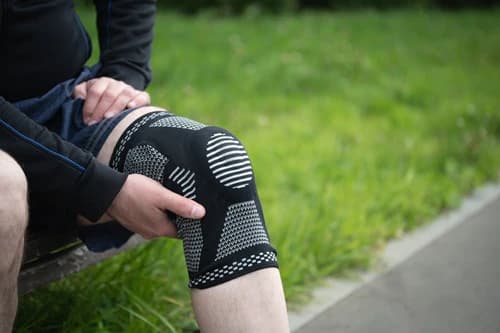
These terms get used interchangeably at pharmacies, online stores, and by well-meaning family members who swear one or the other cured their knee. They're not the same thing. Getting this wrong doesn't just waste money. Wearing the wrong support for the wrong problem can delay recovery or, in some cases, make the underlying issue harder to address.
The distinction matters more for women specifically because the types of knee problems women are most prone to, patellofemoral pain, osteoarthritis, ligament laxity from hormonal effects, and IT band issues, don't all respond to the same kind of support. What helps a 30-year-old runner with patella tracking problems is not what helps a 60-year-old woman managing arthritis pain through a full day of activity.
Knee Cap: What It Is and What It Does
A knee cap, also called a knee sleeve, is an elasticated tubular support that fits over the knee joint. No hinges. No rigid components. No adjustable straps in most cases. It applies gentle compression to the knee, which increases proprioceptive feedback (your brain's sense of where the knee is in space), reduces mild swelling, and provides warmth that loosens stiff tissue.
That's genuinely useful for a specific set of problems. Mild to moderate arthritis where the main complaint is diffuse aching and stiffness, particularly in the morning. General knee soreness from overuse. Early-stage patellofemoral pain where compression helps without restriction. Post-exercise swelling management.
The proprioceptive benefit is real and often underappreciated. Knee pain frequently causes people to unconsciously alter how they walk and move, protecting the joint in ways that create secondary problems in the hip, lower back, and opposite knee. Compression improves the brain's real-time awareness of knee position, which reduces the compensatory movement patterns that cause those secondary problems. That's a meaningful contribution even when the underlying condition doesn't require structural support. What a knee cap cannot do is provide any meaningful structural support to the joint. It doesn't stabilise a ligament. It doesn't prevent abnormal movement patterns. It doesn't correct patellar tracking in anything more than a modest way. If the problem is ligamentous instability, a meniscal injury, or anything requiring actual joint support, compression alone is not enough.
Knee Brace: What It Is and What It Does
A knee brace is a structured device designed to control movement of the knee joint. The range is wide. At one end, simple hinged braces add medial-lateral stability without restricting flexion. At the other end, post-surgical braces lock the joint at specific angles while healing occurs. In between sit functional braces for ligament injuries, unloader braces for compartmental arthritis, and patellar stabilising braces with cut-outs and buttresses designed to control kneecap tracking specifically.
The key difference from a knee cap is structural control. A knee brace restricts or guides movement. It can substitute partially for a damaged ligament. It can unload one compartment of the knee in compartmental arthritis. These are things compression fabric cannot do, regardless of how tight or well-fitted the sleeve is.
Choosing Based on the Actual Problem
For Women With Arthritis Specifically
Arthritis is the most common reason older women, and knee cap for old women searches skew heavily toward this demographic, end up looking at knee supports. Mild to moderate osteoarthritis typically responds well to a good-quality knee sleeve. The compression reduces swelling, the warmth helps with morning stiffness, and the proprioceptive feedback reduces the sense of instability that makes people reluctant to walk normally.
Severe compartmental arthritis, where one side of the knee joint is significantly more damaged than the other, is a different matter. An unloader brace designed to shift weight away from the damaged compartment can meaningfully reduce pain during activity. That's a medical device that usually requires fitting by a physiotherapist or orthotist rather than something purchased off a shelf based on measurement alone.
Can Wearing the Wrong Support Make Pain Worse
Yes. Two specific scenarios. A sleeve that's too tight around the back of the knee restricts venous blood flow and can increase swelling rather than reduce it. This is a common problem when people choose the wrong size, usually going smaller thinking tighter equals more support.
The second scenario is wearing any knee support as a substitute for addressing the underlying issue. Compression doesn't fix a ligament. It doesn't rebuild quadriceps strength that's atrophied from avoiding activity. It doesn't correct the movement pattern causing the problem. Using a knee sleeve as a permanent solution to a problem that needs physiotherapy, weight management, or a medical assessment delays the actual fix while providing just enough comfort to discourage seeking it. This is probably the most common way the wrong choice of knee support causes harm. Not through direct damage, but through delay. Four to six weeks of pain reduction that prevents someone from seeing a physiotherapist when the underlying problem was a ligament partial tear that needed specific rehabilitation is a meaningful cost, even though the sleeve itself did nothing wrong.
Sizing and Fit
A knee cap that doesn't fit correctly provides neither adequate compression nor comfort. Measure the circumference of the thigh around 15cm above the kneecap and compare to the manufacturer's sizing chart. Sizing varies significantly between brands, so using the chart matters more than estimating small, medium, or large. The sleeve should feel firm but not painful. No tingling, no numbness, no visible skin markings from the edge of the sleeve after wearing.
For hinged braces, length and hinge placement matter in addition to width. Many better-quality braces come in right and left versions that account for the medial and lateral anatomy. Generic versions that fit either side are a compromise that often sits slightly wrong and provides less precise support.
Daily Wear and Natural Pain Relief Alongside
Wearing a knee cap all day is fine for most people if the fit is correct and the skin is checked periodically. Extended wear can cause skin irritation underneath, particularly in warm weather. Most people find removing it for rest periods and overnight is comfortable enough and doesn't lose benefit.
Knee support works best alongside active pain management rather than as a standalone intervention. The consistent finding in physiotherapy research is that passive support combined with active rehabilitation produces faster and more durable outcomes than either passive support or active rehabilitation alone. Natural knee pain relief approaches including regular gentle movement to maintain joint fluid circulation, strengthening the quadriceps and hip muscles that stabilise the knee, and topical knee pain relief products applied to the joint area target the mechanical and inflammatory components simultaneously. Compression manages swelling. Strengthening manages the load. Topical natural knee pain relief products manage the localised pain in the moment. None of these alone does what all three together do, and the combination tends to produce faster improvement than any single intervention pursued in isolation.
Frequently Asked Questions
Do I need a knee cap or a knee brace?
Depends on the problem. Mild arthritis, general soreness, and overuse pain usually respond well to a knee cap or sleeve. Ligament instability, post-surgical recovery, or significant patella tracking problems need a structured brace. If you're genuinely unsure, a physiotherapy assessment is more useful than guessing at a pharmacy.
Can a knee cap relieve knee pain as effectively as a knee brace?
For compression-dependent benefits like swelling reduction and warmth, yes. For structural support and movement control, no. They solve different parts of the problem. For mild arthritis and overuse, a sleeve is often enough. For anything involving instability or ligament damage, a sleeve provides comfort but not the structural assistance the joint needs.
When should women wear a knee brace instead of a knee cap?
When the problem involves instability, ligament injury, significant patellar maltracking, compartmental arthritis that needs load redistribution, or any condition where the knee feels like it might give way or requires restriction of movement during recovery. Also after surgery, under medical guidance.
Is a knee cap enough for arthritis, or is a knee brace better?
For mild to moderate arthritis, a well-fitted knee sleeve is usually sufficient and more comfortable for all-day wear. For severe compartmental arthritis where one side of the knee is significantly more damaged, an unloader brace designed to shift joint load produces better pain reduction. That's a product that benefits from professional fitting rather than online purchasing. The difference in outcome between a correctly fitted unloader brace and one that sits slightly off-axis can be significant, since load redistribution only works when the mechanical direction of the correction is accurate.
Can I wear a knee cap all day?
Yes, if it fits correctly. Remove it periodically to check the skin underneath, particularly in warm weather. No sleeve should cause tingling, numbness, or visible marks after wearing. If it does, the size is wrong. Most people remove it overnight without any loss of benefit. If the sleeve is causing skin irritation, switching to a moisture-wicking fabric version or washing and alternating between two sleeves helps. Some women also find that wearing a thin compression stocking underneath prevents the skin-on-fabric irritation that builds over long wear periods in warm weather.
How do I choose the right size knee cap or knee brace?
Measure the thigh circumference around 15cm above the kneecap. Use the manufacturer's specific sizing chart rather than general small or medium estimates since sizing varies significantly between brands. The sleeve should feel firm without being painful or restricting circulation. For hinged braces, measuring knee diameter and length matters in addition to width, and professional fitting is worthwhile.
Can wearing the wrong knee support make knee pain worse?
Yes. A sleeve that's too tight at the back of the knee restricts venous blood flow and can increase swelling. Using compression as a substitute for physiotherapy, strengthening, or medical assessment delays addressing the underlying issue while masking enough discomfort to discourage seeking proper treatment. Support works best as part of a management strategy, not as the strategy itself.
Key Takeaways
• A knee cap is a compression sleeve. A knee brace is a structured device. They address different problems and using them interchangeably is a mistake that most people make without realising.
• Mild arthritis, overuse soreness, and general aching respond well to a good knee sleeve. Ligament injuries, instability, and post-surgical recovery need a proper brace.
• Wearing the wrong size matters. Too tight at the back of the knee increases swelling rather than reducing it.
• Compression is not structural support. A sleeve cannot stabilise a damaged ligament regardless of how tight it is.
• Older women with compartmental arthritis who need more than compression benefit from an unloader brace, a device worth professional fitting rather than self-selecting.
• Knee support works best alongside strengthening, movement, and targeted pain relief. Not as the only intervention.
• If the problem involves instability, giving way, or hasn't improved in four to six weeks of conservative management, a physiotherapy or orthopaedic assessment is worth getting. A compression sleeve worn for months over a problem that needs diagnosis is not neutral. It's a delay.
Share this article: