
Karela Jamun Juice for Diabetes: How It Works and How to Take It
2026-10-27 • 4 min
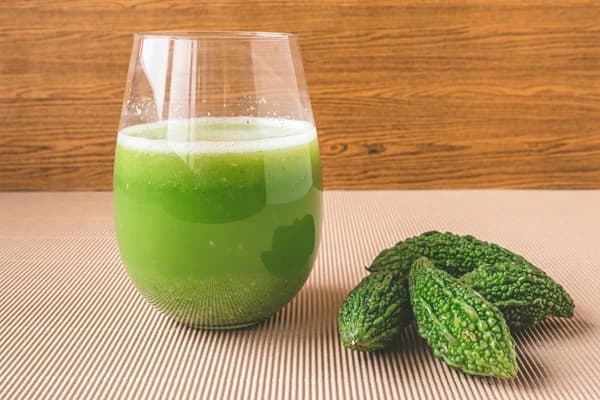
Did you know that Diabetes is one of the biggest challenges in public health in India? In 2024, India was second in the world after China, with nearly 90 million Indian adults living with diabetes, according to the International Diabetes Federation’s 2025 Diabetes Survey. And almost 50% of these people didn’t even know they had the condition. “The figures indicate that we need to focus more on early detection, a well-rounded diet, and healthy daily habits, as the number is expected to reach 853 million by 2050.
As awareness grows, many are looking at traditional ingredients that may support their health besides medical treatment. Karela (bitter gourd) and jamun (Indian blackberry) are two such ingredients that have been used in Indian diets for ages. Together, they are often linked to blood sugar control, but how much of this is supported by scientific evidence? Let’s talk about karela jamun juice benefits, what’s actually in it, how it may affect your blood sugar, the easiest ways to have it, and what to watch out for before you start.
What Is Karela Jamun Juice?
Karela jamun juice combines two ingredients that Ayurveda has long associated with blood sugar balance. Karela, or bitter gourd, is a green, ridged vegetable known for its sharp taste. Jamun, the Indian blackberry, is a deep purple seasonal fruit whose seeds have been used in traditional medicine for centuries. Ayurvedic texts group both under foods with a bitter and astringent character, a quality traditionally linked with madhumeha, the old term for diabetes.
Fresh juice is seasonal, because jamun is only available for a few months each year. That is why bottled blends and dried forms have become popular. You will see the drink sold as a ready-to-drink tonic, and also as karela jamun powder, which can be stirred into water when the fresh fruit is out of season.
Many commercial blends add other herbs to widen the appeal:
Amla, for vitamin C
Neem, for its bitter, cleansing reputation
Giloy, often used for immunity
Methi (fenugreek), another traditional ally for sugar control
Nutritional Value of Karela Jamun Juice
A glass of karela jamun juice combines the nutrients of bitter gourd and jamun. The values below are approximate for a 200 ml serving (about 100 g karela and 100 g jamun pulp). Exact numbers vary with the produce and any added ingredients.
How Does Karela Jamun Juice Work for Blood Sugar?
Karela jamun juice combines two bitter-sweet ingredients that Indian households have used for generations. Many families also add neem to the mix, and a glass of neem karela jamun juice has become a popular daily habit for people watching their sugar. Each ingredient works in a slightly different way, and together with the fibre in the juice, they may support steadier blood sugar.
The Role of Karela
Karela (bitter gourd) contains plant compounds such as polypeptide-p, which is often described as “insulin-like.” The idea is that it may help your cells take up glucose from the blood more easily, so less sugar keeps circulating after a meal. Karela also contains other compounds that may support glucose use. Most of the evidence so far comes from lab and small human studies, so results can vary from person to person.
The Role of Jamun
Jamun (Indian blackberry), especially its seed, contains jamboline and jambosine. In traditional medicine, these compounds have long been linked to supporting the pancreas. They are also believed to slow the conversion of starch into sugar, which could mean a gentler rise in blood sugar after eating. That’s why jamun has been a familiar home remedy for sugar concerns in many Indian families.
Fibre and Digestion
The juice also brings fibre, and that matters more than people think. Fibre helps you feel full for longer, supports smoother digestion, and can reduce those sudden cravings for something sweet in the middle of the afternoon. Slower digestion also means sugar enters the bloodstream more gradually, which works alongside what karela and jamun do.
Possible Benefits of Karela Jamun Juice for Diabetics
The main karela jamun juice benefits are modest but meaningful when combined with a healthy lifestyle:
Blood sugar support: A daily glass may complement a balanced diet and prescribed medicine in keeping glucose within range. Some people who find fresh juice inconvenient choose karela jamun powder mixed in water, which offers a similar benefit with less prep. Either way, it works best as a supporting habit, not a substitute for your treatment plan.
Useful nutrients: The blend provides vitamin C, potassium, iron, and antioxidants, which are often low in a restricted diabetic diet. A glass of neem karela jamun juice can add a little extra nutrition to meals that may otherwise feel limited, without adding much to your sugar load.
Digestion and weight: The fibre and the natural bitterness tend to leave you feeling full sooner, so you’re less likely to reach for a second helping or a late-afternoon snack. That small shift adds up, because even modest weight loss helps your body respond better to insulin. If you find fresh juice a hassle, a spoonful of karela jamun powder in water each day is an easy way to keep the habit going, and a sensible diet will do the rest.
Liver and immune support: Blends that include amla, neem, or giloy are traditionally used to support the liver and strengthen immunity. This is why many people prefer neem karela jamun juice over a plain version. That said, human evidence for these claims is still thin, so it’s best to treat them as possible extras rather than guaranteed results.
How to Take Karela Jamun Juice: Dose, Timing and Method
A little care with the dose, timing, and method makes a big difference to how comfortable this habit feels, and karela jamun juice is easy to get right once you know the basics.
How Much to Take
Most people start with 15 to 30 ml, mixed into a glass of water, once or twice a day. Every product has its own strength, so check the label on your bottle first.
Best Time
Mornings usually suit it best. Have it about 20 to 30 minutes before breakfast, when your stomach is mostly empty. If you’ve been advised a second dose, before dinner works nicely. Try to keep it away from bedtime, so your sleep stays peaceful, and your sugar doesn’t dip overnight.
Before or After Meals
Before meals is the usual advice. But if your stomach feels a bit sensitive on an empty stomach, no worries. Just have it with a light meal instead.
Step-by-Step Preparation
Give the bottle a good shake so the herbal sediment mixes in.
Measure your dose with the cap or a measuring spoon. It’s easier than guessing.
Stir it into a full glass of water.
Sip it slowly, then give yourself a few minutes before eating.
After opening, keep the bottle in the fridge and finish it within the time mentioned on the label.
Prefer karela jamun powder? The routine is just as simple. Stir one small spoon into water and drink it right away, while it’s fresh.
How Long Does Karela Jamun Juice Take to Show Results?
Good things take time, and this is one of them. Herbal support builds up slowly, so many brands suggest using it regularly for 8 to 12 weeks before you judge how it’s working. What you do around it counts too. Balanced meals, a daily walk, good sleep, and your prescribed medicine all do the heavy lifting, and the juice supports them.
Keeping track helps you stay motivated. Check your fasting blood sugar at home, and get your HbA1c tested every three months, or as often as your doctor recommends. Jot the numbers down. After a few weeks, the pattern will tell you far more than any single reading.
Smart Habits for Getting the Best from Karela Jamun Juice
A few easy habits keep things smooth:
Stay on your medicine plan: Keep taking your prescription as advised, and talk to your doctor before changing anything.
Dilute it well: A full glass of water keeps it gentle on your stomach.
Stick to your measured dose: Steady and consistent beats more and faster.
Keep checking your sugar. Regular readings show you what’s working and keep you in a healthy range.
Pick unsweetened products: Added sugar or honey takes away what you’re drinking it for.
Side Effects and Precautions
Possible Side Effects
Most healthy adults tolerate karela jamun juice well when they start small.
Some people notice mild stomach upset, acidity, loose motions, or a bitter aftertaste. These usually ease with more water, a smaller serving, or taking the juice after food.
Allergies are rare, but if you see itching, swelling, rashes, or have trouble breathing, stop the juice and speak with a doctor right away.
If you drink it regularly for a long time, your doctor may suggest a routine blood panel with liver tests, just to make sure everything is on track.
The sgpt normal range is roughly 7 to 56 units per litre at most labs, though it varies a little from lab to lab. Your doctor can walk you through your own report.
It also helps to share your full supplement list with your doctor, including any biotin tablets you take, since high-dose biotin can affect some blood test results.
Possible Precautions
Pregnancy and breastfeeding: Karela is generally advised against during pregnancy, so check with your doctor before drinking it in either case.
Liver or kidney conditions: Speak with your doctor first, since your body may process herbal drinks differently.
Before surgery: Let your surgeon know you drink it. Many doctors suggest pausing glucose-lowering herbs a couple of weeks beforehand.
Children: Avoid giving it unless a paediatrician has approved it.
Sensitive stomach: Skip it on an empty stomach if you get acidity or loose motions easily.
Start low, go slow: Begin with a small serving and increase gradually as your body settles in.
Monitor your sugar: Check your glucose more often in the first few weeks so you can see how your body responds.
Not a replacement: The juice can support your routine, but it should never replace prescribed medicine or regular check-ups.
Who Should Check with a Doctor First
A quick word with your doctor before you begin is a smart move if you:
Take diabetes tablets or insulin
Are pregnant or breastfeeding
Are giving it to a child
Often have low-sugar episodes
Have surgery coming up, since the drink may affect blood sugar control around the procedure
The same goes for blends like neem karela jamun juice. The extra herbs call for a little more care, especially during pregnancy or if you have a liver condition.
Conclusion
Karela jamun juice has a place in Indian kitchens for good reason. It’s simple, it’s traditional, and it may offer gentle support for your blood sugar. The real karela jamun juice benefits show up when you take it in the right dose, at the right time, and as part of a bigger picture: balanced meals, regular movement, good sleep, and your prescribed medicine.
Think of it as a friendly helper on your wellness journey. Pick unsweetened products, measure your dose, track your readings, and keep your doctor in the loop. Done this way, it can become a small, steady habit that supports your journey toward better diabetes management.
FAQ
How does karela jamun juice help lower blood sugar levels?
Karela contains compounds that help your body use glucose better, while jamun seeds and pulp may slow sugar absorption. Together, they can support steadier blood sugar levels.
How much karela jamun juice should a diabetic drink per day?
Most people start with about 30 to 50 ml once a day and increase slowly if it suits them. Your doctor can suggest the right amount for you.
Should I drink karela jamun juice before or after meals?
Many people take it in the morning, about 20 to 30 minutes before breakfast. If it upsets your stomach, have it after food instead.
Can I take karela jamun juice along with metformin or insulin?
Only after talking to your doctor, since the juice can add to the sugar-lowering effect of your medicine. Monitor your glucose closely if you are given the go-ahead.
How long does it take for karela jamun juice to show an effect on blood sugar?
Some people notice small changes within a few weeks, but results vary. Regular use along with a balanced diet and activity matters most.
Can karela jamun juice replace diabetes medicine?
No, it should only support your treatment plan, never replace it. Do not stop or change your medicine without your doctor’s advice.
What are the signs that karela jamun juice is lowering my blood sugar too much?
Watch for shaking, sweating, dizziness, sudden hunger, a racing heartbeat, or confusion. Check your glucose, take fast-acting sugar if needed, and call your doctor if it keeps happening.
Share this article: