Vitamin C gummies
A dose of immunity and goodness with a tangy twist

₹439.00
₹419.00
4.6
2026-02-23 • 4 min
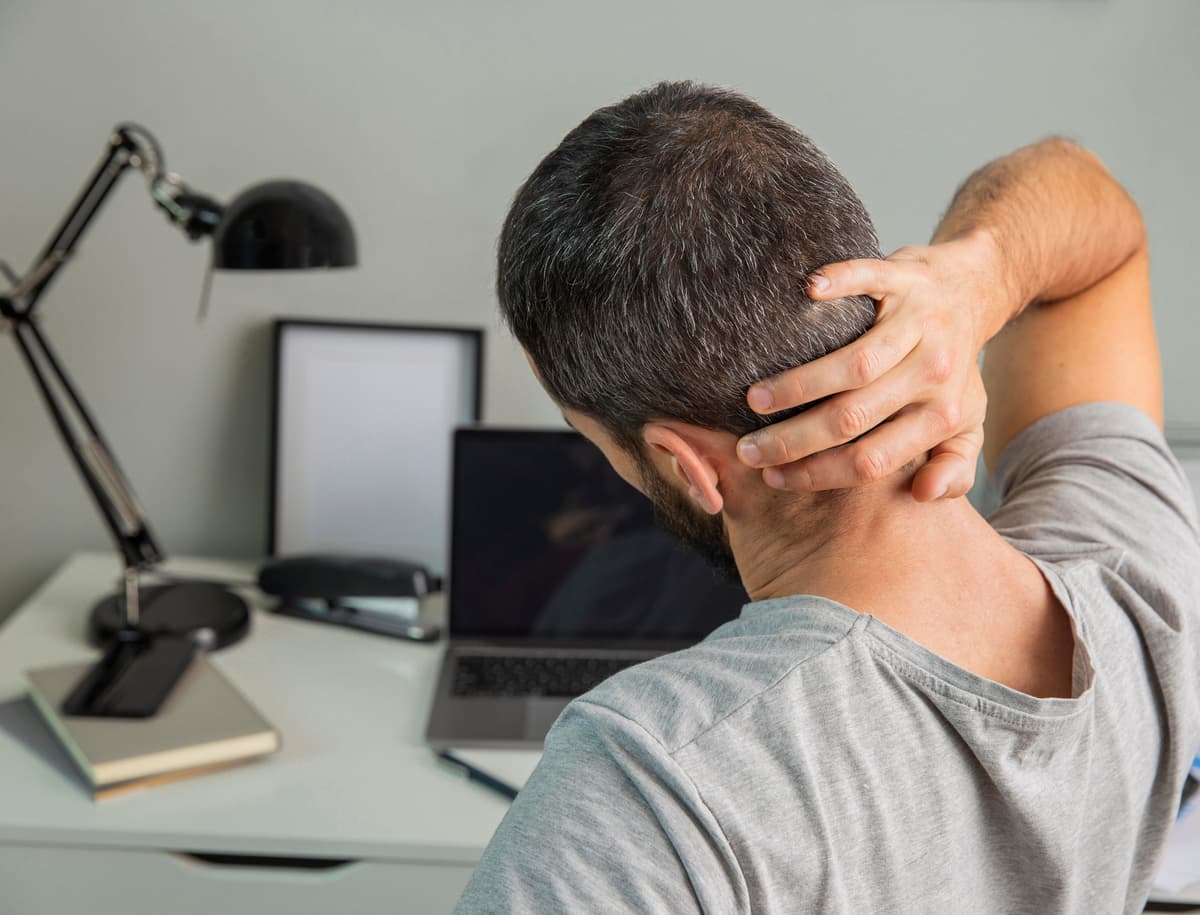
Most everyday neck pain is linked to muscle strain, posture stress, and repetitive positioning. It often feels worse after long periods at a laptop, phone scrolling, driving, or waking up after a poor sleep position. The good news: many cases improve with gentle movement, smart home care, and consistent daily habits.
Stiffness or reduced range of motion (turning your head feels limited)
Muscle tightness or “knots” around the neck and shoulders
Pain that worsens when your head stays in one position for too long
Tension headaches that start at the base of the skull
Discomfort that spreads into the shoulders or upper back
Neck pain after a fall, car accident, or sports injury
New or worsening weakness, numbness, tingling, or symptoms traveling down the arm
Fever, severe headache, unexplained weight loss, or feeling unwell
Loss of balance, clumsiness, or trouble walking
Severe pain that is escalating quickly or not improving over time
Neck pain rarely comes out of nowhere. Most of the time, it’s your body’s honest feedback about load, posture, stress, and recovery.
When your head drifts forward, your neck muscles work harder to hold it up. Over hours and days, that effort becomes fatigue, stiffness, and sensitivity.
Stress often shows up as a clenched jaw, raised shoulders, and shallow breathing. Your neck isn’t just supporting your head - it’s carrying your nervous system’s tension pattern.
A pillow that’s too high or too flat can pull your neck out of neutral alignment for hours. Stomach sleeping can also keep the neck rotated, which may create morning stiffness.
Heavy carries, pressing movements, or high-volume training without enough mobility and recovery can leave the neck and upper traps overworked.
Sometimes neck pain is related to joint wear-and-tear or irritation of nerves. If pain radiates into the arm or comes with numbness/weakness, get assessed.
A common loop looks like this: tightness leads to less movement, less movement increases stiffness, and stiffness increases sensitivity. Breaking the loop usually requires gentle motion, improved circulation, and signaling safety to your nervous system.
Complete rest can make you feel better for a moment - but in many everyday cases, it can also reinforce stiffness. Gentle, controlled movement helps restore range of motion and reduces the feeling of “locked up” tissues.
Ice can be useful in the first 24-48 hours of an acute flare (especially if it feels inflamed or hot).
Heat is often better for stiffness, muscle knots, and tightness that builds gradually across the day.
When in doubt, choose what feels calming and improves comfortable movement afterward.
If you want neck pain relief fast, start here. This is designed for common, tension-driven neck pain from screens, posture, stress, or sleep positioning.
Sit tall without over-correcting. Think: long spine, relaxed ribs.
Drop shoulders away from ears.
Unclench jaw; soften the tongue and face.
Take 4 slow breaths: inhale 4 seconds, exhale 6 seconds
Use a towel barrier, avoid direct contact with the skin, and keep it comfortable - never burning cold or hot.
Choose ice for sudden flare-ups or after an activity that clearly triggered pain.
Choose heat for stiffness and muscle tightness that feels stuck.
Do 5 slow reps each. No forcing, no yanking.
Chin tuck: glide the head back (not down) as if making a small double-chin. Hold 2 seconds.
Shoulder blade squeeze: squeeze shoulder blades back and down. Hold 2 seconds.
Controlled side bend: tilt ear toward shoulder until you feel a mild stretch. Return. Repeat other side.
If you want a clean, portable step you can use at your desk or after travel, consider a roll-on. RESET Easy-to-Rub Emulsion is designed for easy application - roll over the area in gentle circles and let it become part of your daily recovery ritual.
Where it fits: After heat/ice and gentle movement, when tissues are warm and you’re already feeling calmer. How to use: Apply externally, patch test first, avoid broken skin, and follow label directions. Product page: https://www.reset.in/products/emulsion.
Every 45-60 minutes, do this mini-reset:
3 slow breaths (longer exhales)
5 chin tucks
10 shoulder blade squeezes
Bring the screen to eye level (raise the laptop or use a stand).
Support your elbows (armrests or desk support reduces shoulder strain).
Hold your phone higher - reduce long periods of looking down.
Keep the keyboard close so you don’t reach and round forward.
Aim for a neutral neck position - not tilted up or dropped down.
If you wake up stiff, reconsider pillow height before you blame your neck.
If you stomach-sleep, try a gradual transition to side sleeping (even half the night is progress).
Neck pain often improves when your upper back and shoulder blades do their job well. You don’t need heavy workouts - you need consistency.
Wall angels (slow and controlled)
Resistance band rows
Farmer carries with light, balanced loads
Try a 60-second evening ritual: warm shower (or warm towel) plus slow breathing. If it feels good, finish with RESET Easy-to-Rub Emulsion as your done-for-the-day signal.
Relief is easier to maintain when your tools are easy to use. Roll-ons work because they’re simple, portable, and quick - you’re more likely to stay consistent.
After long laptop sessions or meetings
After travel days (planes, trains, long drives)
Post-workout recovery when the upper traps feel overworked
Before bed as part of a wind-down ritual
Explore the product here: RESET Easy-to-Rub Emulsion (https://www.reset.in/products/emulsion).
Pain after injury or trauma
Symptoms that radiate down the arm, or numbness/weakness
Worsening headaches, dizziness, or fever
Pain that persists beyond 1-2 weeks despite consistent self-care
Start with a position reset, then use heat or ice for 10-15 minutes, followed by gentle mobility (chin tucks, shoulder blade squeezes, and controlled side bends).
Ice can help in the first 24-48 hours of an acute flare. Heat often helps more for stiffness and muscle knots. Choose what improves comfortable movement afterward.
Back or side sleeping usually keeps the neck more neutral. If you stomach-sleep, your neck stays rotated for hours, which can increase morning stiffness.
Tension in the upper neck and shoulders can refer pain upward. Releasing tight muscles and improving posture often helps.
After injury, fever, new weakness/numbness, balance issues, or severe radiating pain are reasons to seek medical advice.
Many people use topical comfort as part of daily self-care. Follow label directions, patch test first, avoid broken skin, and keep it external-only. See RESET Easy-to-Rub Emulsion for usage guidance.
Most everyday neck pain is driven by posture strain, stress tension, sleep setup, and repetitive positioning.
Fast relief usually comes from the combination of decompression, heat/ice, and gentle movement
Micro-breaks every hour can prevent stiffness from building in the first place.
Improve your inputs (screen height, elbow support, pillow neutrality) and your neck often follows.
Build a simple comfort ritual you can repeat - including topical options like RESET Easy-to-Rub Emulsion when appropriate.
Seek medical care for red flags: injury, fever, worsening weakness/numbness, or symptoms that radiate down the arm.
If you’ve been asking how relieve neck pain, the Reset answer is simple: decompress, calm the system, restore movement, then repeat small rituals daily. And if you want a clean, desk-friendly add-on, RESET Easy-to-Rub Emulsion fits naturally into a recovery routine.
Share this article:
A dose of immunity and goodness with a tangy twist
₹439.00
₹419.00
dose of radiance for skin and hair

₹439.00
An easy to apply potent formula with roll-on massager

₹549.00
₹449.00
A 2X more powerful formula for enhanced relief.

₹799.00
₹649.00
A value pack for natural pain relief with a harmonious blend of natural herbs.

₹419.00
₹379.00