
How to Make Hand Sanitizer at Home: Step-by-Step Guide
2026-03-14 • 4 min
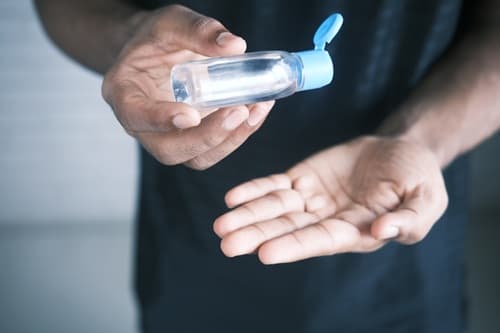
Even if you use all the health and wellness products available, you may still be at risk of infections. The best vitamin C gummies can support your health, but they cannot guarantee protection against harmful bacteria. It is only hygiene that can protect you.
Talking about hygiene, since COVID-19, hand sanitizer has become a household staple. It’s no longer a niche item but something you expect everywhere: home, car, office desk, handbag, restaurants, spa centers, shop counters, and more.
While the good old-fashioned soap and water do the job better, sanitizer is quick, portable, and useful when they are not available. Even after years, the demand for sanitizer is still the same as it reduces everyday germ transfer in public places.
But think of it: how much money have you spent on purchasing sanitizer over the years? How can you trust market sources? How do you know it’s not causing more harm than good? Is it good for your skin since you’re using it so consistently?
That’s why learning how to make hand sanitizer at home is a practical skill. Just in case you run out at the wrong moment or simply want more control over something that is being used so consistently.
However, the key to making DIY hand sanitizer is to treat it like a safety tool, not as a craft. So, here’s a safe approach to make homemade hand sanitizer that does as effectively as a branded one
Why to Ditch Market Sanitizers
1. With mass brands, the formula can change without you noticing.
2. Fragrance and additives can trigger irritation.
3. They often leave stubborn residue.
4. Frequent use can make your hands go dry.
5. Intense fragrance might feel suffocating or unpleasant, especially in closed spaces.
6. You’re probably paying more for the brand and packaging.
7. You’re practically increasing the plastic waste.
8. Some sanitizers in the market are poorly formulated.
9. You cannot customize it according to your skin type.
If you make your own hand sanitizer, you get the liberty to control what goes into it that doesn’t harm the skin in any way. You can keep it fragrance-free and avoid sticky fillers. Above all, it will be fresh and cost-effective.
Requirements for Homemade Hand Sanitizer
Making a homemade hand sanitizer spray or gel doesn’t need much. Just a few basics so the alcohol stays strong.
Ingredients
· High-strength alcohol: Isopropyl alcohol 99% or Ethanol 96%
· Aloe vera gel (for gel sanitizer) or Vegetable glycerin (for spray sanitizer)
· Essential oils (optional)
Tools
· Measuring cups
· Clean mixing bowl
· Whisk
· Funnel
· Pump bottle for gel and spray bottle for spray sanitizer
Precautions
Before you begin with the hand sanitizer recipe, ensure you take care of the following things:
· Make your homemade hand sanitizer in a clean space.
· Use clean, dry tools and bottles.
· Wash your hands thoroughly before you begin with the DIY hand sanitizer.
· Use strong, undiluted alcohol.
· Do not touch the homemade hand sanitizer spray until it’s ready to use.
· Ensure an accurate ratio of ingredients, as it can hamper effectiveness.
· IMPORTANT: Make your own hand sanitizer away from stoves, candles, direct sun, hot car dashboards, and other such objects, as alcohol is highly flammable.
Directions to Make Homemade Hand Sanitizer
Depending on your requirement, here is how to make hand sanitizer.
Homemade Hand Sanitizer — Gel
1. Measure your ingredients
a. 200 ml of Isopropyl alcohol 99% or Ethanol 96%
b. 100 ml aloe vera gel
2. Add alcohol to the bowl
a. Take a clean, dry bowl and add alcohol to make the mixing easier.
3. Add aloe vera gel
a. Gradually add and stir the gel into the alcohol. Mix thoroughly until smooth.
4. Add essential oil
a. This step is purely optional to add fragrance.
b. Use ½ teaspoon of cinnamon or lavender oil.
c. Avoid if you have sensitive skin, as it has no role in effectiveness.
5. Bottle it
a. Pour your mixture into the bottle using a funnel.
b. Seal tightly
6. Let it rest
a. Allow the mixture to settle for at least 30–60 minutes till the bubbles settle
Homemade Hand Sanitizer — Spray
To make a homemade hand sanitizer spray version, just:
· Replace aloe vera gel with vegetable glycerin or distilled water in equal amounts.
This option offers a light, non-sticky feel and is quicker to apply. If you feel the sanitizer is too thin, consider adding a little aloe vera gel.
Shelf Life
If stored in the right container, sealed properly, and kept away from heat, homemade hand sanitizer can offer a good shelf life. However, it is often recommended to use a small batch of DIY hand sanitizer within 3–6 months, especially if the bottle is opened frequently.
What Makes it Effective?
· Isopropyl or Ethanol: Any hand sanitizer is only effective when the alcohol concentration is around 60% to 95%. This is the base that actually kills or inactivates germs by breaking down the outer coating and damaging proteins inside microbes. Moreover, Isopropyl or Ethanol evaporates quickly, helping it dry faster.
· Aloe Vera Gel or Glycerin: Frequent use of alcohol sanitizer can cause irritation and dryness of your hands. That’s why the addition of aloe vera gel or glycerin is necessary. While they don’t kill the germs, they make the sanitizer safer and easier to use on skin. Also, they reduce the drying effect of alcohol with the right amount.
Common Mistakes to Avoid
If you’re going to do DIY hand sanitizer, avoid the mistakes that ruin the effectiveness.
1. Adding too much aloe vera or glycerin. It makes the alcohol level drop.
2. Using the wrong alcohol. Only choose Isopropyl or Ethanol.
3. Adding ‘natural herbs’, thinking it will make it more functional. Remember, things like Ashwagandha gummy benefits with stress, not with hygiene.
4. Adding too many oils. It can irritate the skin and reduce effectiveness.
5. Not mixing evenly. It messes with the efficacy.
6. Storing it poorly. Sanitizers can evaporate easily.
7. Keeping homemade hand sanitizer spray and gel in sunlight or near possible flames.
FAQs
1. Can I use vodka or other liquor?
No. Vodka and most of the other liquors aren’t high enough in alcohol content to reach 60% after mixing. Even if you use it, the DIY sanitizer won’t be as effective.
2. Can I add tea tree oil to make it “antibacterial”?
Tea tree oil and other essential oils are also added for fragrance. While they have antimicrobial properties, they don’t replace the need for the correct alcohol concentration.
3. What is the right alcohol percentage for homemade hand sanitizer?
The alcohol percentage for homemade hand sanitizer should be at least 60%. If it drops, the sanitizer may not be effective against germs.
4. Why does my gel feel runny?
If your gel sanitizer feels runny, your aloe vera gel is probably not thick enough. Try mixing longer or using a different gel.
5. Is homemade sanitizer safe for kids?
Homemade alcohol-based sanitizer is generally safe for kids. However, they may require supervision as alcohol is flammable, and they should avoid scented formulas that might encourage kids to taste it.
Share this article: