
How to Clean a Hair Brush Based on What's Stuck in It: Hair, Oil, Lint or Product Buildup
2026-10-06 • 5 min
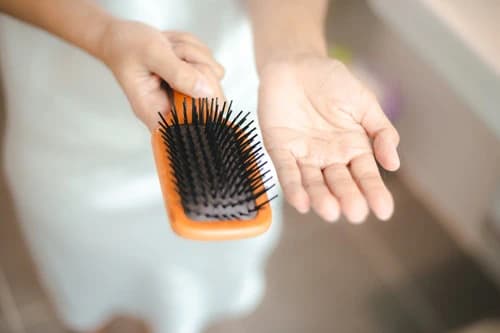
Take the brush from your dressing table and look at it closely. You'll likely spot a nest of loose strands, a faint greasy film, a few fuzzy bits of lint, and maybe a sticky patch from last week's hairspray. A brush meets your scalp, your hair, your styling products, and the dust in your home every day, so it quietly collects a little of everything.
The catch is that each type of buildup behaves differently. Hair has to be pulled free, oil has to be dissolved, lint has to be lifted, and sticky product has to be softened first. Use the wrong method and you either waste time or harm the brush. That is why knowing how to clean hair brush tools based on what is actually stuck in them matters so much. This guide shows you how to spot the problem, choose the right method, protect different materials, and keep the mess from returning too quickly.
Quick Hair Brush Cleaning Glance
Not every dirty hairbrush needs the same treatment. Take a quick look at what’s stuck in yours, then use this table to figure out where to start.
How to Clean Hair Brushes at Home
You don't need a fancy kit. A comb, small scissors, an old toothbrush, mild shampoo, warm water, and a towel handle almost everything. The real skill is order: dry debris first, water later, and a method that changes with what you find. Two steps keep it simple.
Step 1: Identify What's Stuck in the Brush
Spend thirty seconds studying the bristles before you touch them.
Loose and tangled hair: Strands wrapped around the bristles or packed at the base.
Oil and scalp residue: The bristles look dull and feel a little slick, and sometimes there's a stale smell too.
Lint and dust: Grey fuzz tucked between the bristles.
Styling product buildup: White flakes, crusty spots or sticky patches left behind by dry shampoo, spray, or gel.
Mixed buildup: Hair, oil, lint, and product all mashed together in one grimy layer, which is what you'll see most often.
Step 2: How to Clean the Brush at Home
Three rules cover most situations:
Remove dry debris before using water: Wet hair and lint knot together, so clear them first.
Clean according to the type of buildup: A soapy soak that suits plastic is wrong for wood.
Avoid soaking brushes that can be damaged by water: Wood, cushions, and natural bristles prefer a light touch.
Whenever you wonder how to clean hair brushes at home without fuss, remember the pattern: dry first, targeted cleaning second, thorough drying last.
How to Clean Hair Brush When Hair Is Tangled Around the Bristles
Pulling with your fingers rarely works. It usually just tightens the tangle and leaves you with sore fingertips. Hair wraps around bristles more firmly than you'd expect, so a little patience and the right tools go a long way. Grab a comb with a pointed tail and a small pair of scissors, and try this instead.
Loosen trapped strands first: Slide the tail of a comb or a pin under the top layer of hair and lift it away, row by row. It often comes off in one satisfying piece.
Cut through tightly wrapped hair safely: For hair wound around the base, make one shallow cut across the wrapped section with small scissors, angled away from the bristles and cushion. The hair should then unravel.
Remove hair from the base: The strands packed near the bottom are the ones people skip. Drag them out with the comb tail, following the bristle rows, and use tweezers for the last bits.
Deal with stubborn knots gently: A knot that resists is usually holding oil or product. Tease it loose with a needle tip, and never yank, because pulling bends bristles and tears cushions.
How to Clean Hair Brush With Oil and Greasy Residue
Why scalp oils build up: Your scalp naturally produces sebum, and every stroke moves some of it onto the bristles, where it mixes with dust and dead skin into a thin coating you feel more than see.
Remove surface grease: Clear the loose hair, then add a few drops of gentle shampoo to a bowl of warm water. Dip only the bristles, brush face down, and scrub between the rows with the toothbrush.
Wash away stubborn residue: When the grease is thick, how to clean a hairbrush with baking soda is a handy trick. Stir a teaspoon into the soapy water. The gentle grit lifts grease without scratching plastic, and it freshens up any stale smell too. Scrub for a minute or two, then rinse under lukewarm water.
Check that it's really clean: Under bright light, the bristles should look crisp and separate rather than shiny or clumped. If it still feels slick, scrub once more.
How to Remove Lint and Dust From a Hair Brush
Why lint collects: Towels, hoodies, scarves, and pillowcases shed fibers, and a little oil makes them stick between the bristles.
Simple tools that work: A comb tail, toothpick, tweezers, or a strip of sticky tape all lift fuzz well. Roll the tape across the bristle tops, then peel it away.
Reach the tight spots: Lint hides where bristles meet the cushion. Sweep it out with a dry toothbrush or a small soft paintbrush, working outward from the center.
Stop it coming back: Keep the brush away from loose bags and towel drawers, and give it a quick weekly wipe. Learning how to clean hair brushes at home means noticing where lint comes from, since a fuzzy scarf or towel in the same drawer is often the culprit.
How to Clean Hair Brush With Product Buildup
Dry shampoo, hairspray, serum, and gel : These leave a film that hardens over time. Dry shampoo turns chalky, spray gets tacky, and gel flakes, leaving bristles stiff and sticky.
Soften dried residue: Let the bristles sit in warm, soapy water for a couple of minutes, if the brush tolerates moisture. For sticky spots, dab a cotton pad with a little rubbing alcohol.
Clean around the bristles and base: Scrub each row with the toothbrush, then work around the base. For thick layers, how to clean a hairbrush with baking soda helps again spread a paste of baking soda and water over the bristles, wait ten minutes, and rinse.
Lift what's left: Use a comb tip to pop out leftover flakes and rinse well, since soap residue attracts fresh dust. Next time, the same routine will work just as well.
What to Do When Your Hair Brush Has Hair, Oil and Lint Together
Real brushes are rarely tidy, so order matters. Dry material always comes first. Clear the hair with a comb tail, then sweep out lint with tape or a toothbrush. That step alone often makes a brush look new. Only then wash away oil and product with soapy water. If it still feels sticky or smells stale, how to clean a hairbrush with baking soda gives it a deeper reset. This is the most complete way to handle several kinds of dirt at once.
How to Clean Hair Brush Based on Its Material
Not every brush can take the same treatment. Water, heat, and scrubbing affect each material in its own way, and a method that leaves plastic sparkling can leave wood warped and cracked. So before you fill a bowl or reach for the soap, check what your brush is made of. Look at the bristles, the base, and the handle, and think about how much moisture each part can safely take.
Plastic and Synthetic Hair Brushes
These are the most forgiving. Wash the bristles in warm, soapy water and scrub between them with a toothbrush. Without a cushion, the brush can soak for five to ten minutes. Rinse well and shake out the water. This is also a good place for how to clean a hairbrush with baking soda, because plastic handles the mild scrub and comes out fresh, with no lingering smell. Just rinse until no gritty film remains.
Wooden Hair Brushes
Wood absorbs water, which causes swelling, cracks, and loose bristles. Never soak it. Remove the hair, then wipe the bristles and wood with a cloth dampened with soapy water, and dry immediately with a clean towel. Every few months, a tiny drop of natural oil on a cloth keeps the wood from drying out and cracking, but go lightly so the bristles don't turn greasy.
Natural Bristle Hair Brushes
Boar bristle and similar fibers are delicate. Comb out debris, then dip only the tips into diluted shampoo, keeping the base dry. If you're unsure how to clean hairbrush bristles like these, gentle and quick is the safest rule. Dry the brush on its side so water doesn't seep into the base.
Paddle and Cushioned Brushes
The cushion hides a pocket of air, and trapped water can grow mildew. For how to clean hairbrush styles with a cushion, use a damp toothbrush and a little soap, keeping the pad dry. Then stand the brush bristles-down on a towel until it's completely dry.
Round Hair Brushes
Round brushes hold tightly wrapped hair. Make a shallow cut along the barrel and pull the hair away, then clean between the dense rows with a toothbrush or pin. Plastic or metal barrels can be rinsed, but wooden ones should only be wiped. When you follow how to clean hairbrush advice for round styles, allow extra time for lint and product.
How Often Should You Clean Your Hair Brush?
Remove loose hair after every few uses, since it takes under a minute and stops knots from forming. Deep clean roughly every two to four weeks, or every two weeks if you use plenty of product, have oily hair, or share your brush. Heavy styling, humid storage, and brushing unwashed hair all make a brush dirty faster. If your hair looks flat or greasy after brushing, the brush is probably overdue. That is the moment to revisit your cleaning basics, even if your usual schedule says you still have a week to go. Trust what you see and feel over what the calendar says.
Common Hair Brush Cleaning Mistakes to Avoid
Soaking brushes that should stay relatively dry: Wood, cushions, and natural bristles suffer in standing water.
Using extremely hot water: Heat can warp plastic and melt glue. Warm is enough.
Pulling tangled hair too hard: Yanking bends bristles and tears cushions.
Using harsh cleaning products: Bleach and strong chemicals dry out natural bristles. Mild shampoo does the job.
Using the brush before it is fully dry: A damp brush spreads moisture into your hair and invites mildew. Patience here improves your cleaning results more than any product.
How to Keep Your Hair Brush Clean for Longer
Pull off loose hair after brushing so it never binds up, and it will take only seconds. Let sprays and serums settle before you brush, which limits product transfer. Store the brush in a clean, dry place, away from towels and damp corners. Finally, pick a regular day for a quick clean. Once you know how to clean hair brushes at home in a few minutes, it stops feeling like a chore.
When Should You Replace Your Hair Brush?
Cleaning can only do so much. Consider a new brush when:
Bristles are damaged or missing: Bent, split, or loose bristles tug and snag at your hair instead of gliding through it.
The cushion is cracked or broken: Every split lets moisture and dirt creep into the base, where you'll never reach it.
A smell or residue stays after washing: That usually means buildup has settled somewhere your scrubbing can't reach.
Cleaning no longer works: If the brush still looks tired even after your best how to clean hairbrush routine, it's time to let it go.
Most brushes last a year or two with good care, though heavy use, daily styling, and rough handling can shorten that. A fresh brush isn't a failure; it's simply the point where cleaning has given you all it can.
Final Thoughts
The best way to look after a brush is to look at it first. Match the method to the buildup, since hair, oil, lint, and product each need their own treatment. Think about the material before water gets involved, because wood, cushions, and natural bristles need a lighter touch. Keep up a simple routine so buildup never turns stubborn. A few calm minutes each week is all it really takes. Once you understand how to clean hair brush problems one type at a time, the job takes only minutes, and your brush works better for it. It is quick, simple, and surprisingly satisfying.
Frequently Asked Questions
What is the easiest way to remove stuck hair from a hair brush?
Start with the tail of a comb. Slip it under the top layer of hair and lift it away, one row at a time. If strands are wound tightly around the base, a single shallow snip with small scissors usually sets them free in seconds.
Why does my hairbrush collect so much lint and grey fuzz?
Blame your towels, scarves, hoodies, and pillowcases, which all shed tiny fibers. A little scalp oil makes them cling to the bristles, and dust from a bag or drawer only adds to the fuzz. Where you keep the brush matters almost as much as how you use it.
How do you remove oil buildup from a hairbrush?
Swish the bristles in warm water with a few drops of gentle shampoo, then scrub between the rows with an old toothbrush. Rinse it well, and that slick, dull feeling should disappear.
How do you clean styling product residue from a hairbrush?
Give the bristles a short soak in warm, soapy water so the sticky film softens, then scrub each row. For hard, flaky spots, a dab of rubbing alcohol on a cotton pad helps lift them right off.
Can I soak my hair brush in water to clean it?
That depends on what it's made of. A plastic brush without a cushion can sit in water for a few minutes, but wooden, cushioned, and natural bristle brushes should stay out of the bowl altogether.
How do you clean buildup between hair brush bristles?
An old toothbrush is your best friend here, because it reaches gaps a cloth simply can't. Work along each row, then coax out anything left behind with a comb tip or a toothpick.
How often should a hair brush be cleaned?
Pull out the loose hair every few uses, and give the brush a proper wash every two to four weeks. If you use plenty of product or your hair gets oily quickly, aim for every two weeks.
Can shampoo be used to clean a hair brush?
Yes, and a mild one is usually all you need. It cuts through oil and light product residue without upsetting most bristles, as long as you rinse every bit of it out.
How do you clean a hair brush without damaging the bristles?
Keep the water warm rather than hot, and go easy with the scrubbing. Be patient with tangles instead of yanking them, and let the brush dry completely before you reach for it again.
When should you replace a hair brush instead of cleaning it?
It's time when bristles are bent or missing, the cushion has cracked, or a smell hangs around after washing. If the brush still looks tired after a thorough clean, a fresh one is the kinder choice for your hair.
Share this article: