
How Protein Powder Is Made: Step-by-Step Manufacturing Process
2026-04-15 • 4 min
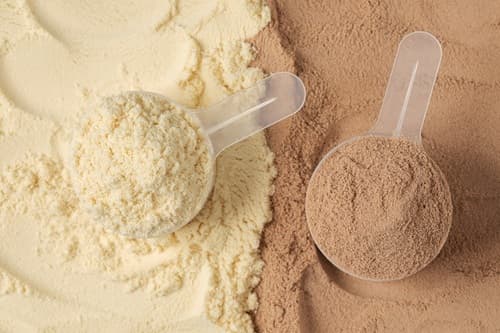
Understanding how protein powder is made — from the initial sourcing of raw materials through filtration, purification, drying, flavoring, and final packaging — demystifies one of the most widely consumed dietary supplements in the world and addresses the legitimate concerns, misconceptions, and occasionally bizarre conspiracy theories that circulate about protein powder manufacturing, including the persistent internet myth about how is protein powder made from worms (spoiler: it is not), the confusion about whether protein is extracted through harsh chemical processing that denatures the protein and creates harmful byproducts, and the uncertainty about whether the protein in your tub comes from natural whole food sources or is synthetically manufactured in laboratories through chemical reactions. The reality of commercial protein powder production is far less mysterious and significantly more science-based than sensationalist claims suggest: whey protein — the most popular type — is a natural byproduct of cheese manufacturing, extracted from the liquid whey that separates from milk curds, then filtered, pasteurized, evaporated, and spray-dried into the fine powder familiar to millions of gym-goers and athletes worldwide. Plant-based proteins follow similarly straightforward extraction processes: soybeans are defatted and the protein isolated, peas are milled and protein separated through alkaline extraction, rice undergoes enzymatic digestion to release protein from the grain matrix, and each undergoes purification and drying to create concentrated protein powders. Learning the step-by-step manufacturing process for different protein types, understanding which ingredients are necessary versus which are unnecessary additives, recognizing the difference between minimally processed natural protein powders and heavily processed formulations laden with fillers and artificial ingredients, and knowing how to evaluate quality, purity, and safety based on manufacturing practices and third-party testing empowers you to make informed purchasing decisions about a supplement you may consume daily for years, ensuring you select products manufactured through safe, transparent processes rather than trusting marketing claims from companies that may prioritize profit over quality and consumer health.
How Is Protein Powder Made Step by Step?
The manufacturing process varies depending on the protein source, but all follow a general sequence: source procurement, protein extraction, purification, concentration, drying, and formulation.
Step 1: Raw Material Sourcing
The process begins with sourcing the raw protein-containing material. For whey and casein, this is liquid whey or milk from dairy farms. For soy protein, this is whole soybeans. For pea protein, yellow split peas. For rice protein, brown rice. Quality manufacturers source from suppliers with verified safety standards, testing for contaminants, pesticides, heavy metals, and microbial contamination at this initial stage.
Step 2: Initial Processing and Protein Liberation
The protein must be separated from other components (fats, carbohydrates, fiber, water). Whey protein: Liquid whey is a byproduct of cheese production. When milk is curdled using enzymes (rennet) or acid, it separates into solid curds (used for cheese) and liquid whey. This whey contains approximately 0.7% protein in solution along with lactose, minerals, and water. The whey is collected and becomes the starting material for whey protein powder.
Plant proteins: Soybeans are dehulled and defatted using hexane solvent or mechanical pressing to remove oils. The defatted soy flakes are then subjected to alkaline extraction where pH is adjusted to solubilize the protein, separating it from carbohydrates and fiber. Peas and rice undergo similar processes — milling to break down structure, then protein extraction using water, alkaline solutions, or enzymes.
Step 3: Filtration and Purification
The protein solution undergoes filtration to remove unwanted components and concentrate the protein. Different filtration methods produce different purity levels. Microfiltration uses ceramic or polymer membranes with tiny pores that allow water, lactose, and minerals to pass through while retaining larger protein molecules. This is a purely physical separation process requiring no chemicals. Ultrafiltration uses even finer membranes, achieving higher protein concentrations and removing more lactose and fat.
Ion exchange is a chemical process where the protein solution is passed through ion exchange resins that selectively bind proteins based on electrical charge, allowing very high purification. However, this process can denature some proteins and is less commonly used in premium products. Cross-flow filtration continuously circulates the liquid across membrane surfaces, preventing clogging and allowing efficient separation without heat or chemicals.
Step 4: Concentration and Evaporation
The filtered protein solution still contains significant water (90%+ water by weight). This must be removed to create a concentrated protein solution suitable for drying. The solution is heated under vacuum in evaporators, allowing water to evaporate at lower temperatures (60-80°C) than would be required at atmospheric pressure. This prevents excessive heat damage to protein structure. The result is a thick, concentrated protein slurry or paste containing 40-60% protein by dry weight.
Step 5: Spray Drying
The concentrated protein solution is converted into powder through spray drying — the most common method in the industry. The liquid protein is pumped through a nozzle or atomizer that sprays it as a fine mist into a large heated chamber (drying tower). Hot air (150-200°C) is blown through the chamber. The tiny protein droplets are exposed to this hot air for only 1-2 seconds — long enough to evaporate the water but not long enough to significantly damage the protein structure. The dried protein particles fall to the bottom of the chamber and are collected. The powder has moisture content below 5%, preventing microbial growth and ensuring shelf stability.
Step 6: Flavor, Sweetener, and Additive Blending
The pure protein powder is bland and unflavored. Manufacturers add flavoring agents (vanilla, chocolate, strawberry — natural or artificial), sweeteners (sucralose, stevia, sugar), emulsifiers (lecithin to improve mixability), thickeners (xanthan gum, guar gum for texture), and sometimes additional ingredients like vitamins, minerals, digestive enzymes, or amino acids. These are blended with the protein powder in large industrial mixers to ensure uniform distribution.
Step 7: Quality Testing
Reputable manufacturers test the finished powder for protein content accuracy (does 30g serving actually contain 25g protein as labeled?), amino acid profile verification, microbial contamination (bacteria, mold, yeast), heavy metal contamination (lead, cadmium, arsenic, mercury), pesticide residues, and allergen testing. Third-party testing by independent laboratories (NSF, Informed Choice, Labdoor) provides unbiased verification.
Step 8: Packaging and Distribution
The powder is packaged in moisture-resistant containers (plastic tubs, foil pouches) with oxygen absorbers or nitrogen flushing to prevent oxidation. Products are labeled with nutritional information, ingredients, manufacturing date, and expiration date, then distributed to retailers.
What Ingredients Are Used to Make Protein Powder?
Protein powder ingredients fall into several categories:
Primary Protein Source
This constitutes 70-90% of the powder by weight: whey concentrate, whey isolate, casein, soy protein isolate, pea protein isolate, rice protein concentrate, hemp protein, egg white protein, or blends of multiple sources.
Flavoring Agents
Natural or artificial flavors create taste profiles: cocoa powder for chocolate, vanilla extract or vanillin for vanilla, fruit extracts or artificial fruit flavors for strawberry, cookies and cream, etc. Unflavored protein contains no flavoring agents.
Sweeteners
Sucralose, acesulfame potassium, stevia, monk fruit extract, or sugar (dextrose, fructose) provide sweetness. Some products are unsweetened.
Texture and Mixability Enhancers
Lecithin (soy or sunflower) acts as an emulsifier, helping powder dissolve in liquid. Xanthan gum or guar gum provide thickness and creamy texture. Carrageenan may be used though some consumers avoid it due to digestive concerns.
Additional Functional Ingredients (Optional)
Digestive enzymes (protease, lactase) to aid protein breakdown and reduce bloating. Probiotics for gut health. Vitamins and minerals for nutritional fortification. Branch-chain amino acids (BCAAs) for additional leucine, isoleucine, valine. Creatine, glutamine, or other performance-enhancing compounds in specialized formulations.
Protein Powder Types and Manufacturing Methods
The table below compares common protein powder types:
Is Protein Powder Made from Natural or Synthetic Sources?
This is a common source of confusion. The answer is: commercial protein powders are made from natural food sources, not synthesized chemically in laboratories.
Natural Sources Defined
Whey comes from milk — a natural dairy product. Casein comes from milk. Soy protein comes from soybeans — a plant. Pea protein comes from peas. Rice protein comes from rice. Egg protein comes from egg whites. These are all natural, whole food sources. The protein is not created through chemical synthesis — it is extracted and concentrated from foods that naturally contain protein.
Why the Confusion Exists
The confusion arises because the extraction process uses industrial equipment, filtration, and sometimes chemical treatments (pH adjustment, enzyme use). People see 'processed' and assume 'synthetic' or 'artificial.' However, processing to extract and concentrate a naturally occurring nutrient does not make that nutrient synthetic. Orange juice is processed (oranges are squeezed, juice is filtered, sometimes pasteurized) but remains a natural product from oranges.
Truly Synthetic Amino Acids vs Whole Protein
Individual amino acids (leucine, glutamine, etc.) sold as isolated supplements can be synthetically manufactured through bacterial fermentation or chemical synthesis. However, complete protein powders containing all essential amino acids in proper ratios are always derived from natural protein-containing foods, not synthesized from individual amino acids in laboratories. Manufacturing complete protein from scratch would be prohibitively expensive and unnecessary when abundant natural protein sources exist.
Does Protein Powder Undergo Chemical Processing?
Yes, some protein powders undergo chemical processing, though the extent varies significantly:
Minimal Chemical Processing
Cold-processed whey concentrate and isolate: Uses microfiltration and ultrafiltration — purely physical separation with no chemical additives. Enzymes may be used (which are biological catalysts, not harsh chemicals). Pasteurization uses heat, not chemicals. These methods preserve protein structure and bioactivity.
Moderate Chemical Processing
Alkaline extraction for plant proteins: pH is adjusted using sodium hydroxide (lye) or other bases to solubilize protein, then neutralized with acid. While these are chemicals, they are food-grade and used in many food processes. The protein is thoroughly washed afterward, removing chemical residues. Defatting soybeans using hexane solvent: Hexane is a chemical solvent used to extract oils. Traces may remain in final product though regulations limit residues to safe levels. Mechanical pressing avoids this entirely.
Extensive Chemical Processing
Ion exchange processing: Uses ion exchange resins and pH manipulation for very high purification. Can denature proteins and reduce bioactivity. Less common in quality products. Hydrolyzed protein: Protein is broken down into smaller peptides using acid or enzymes for faster absorption. This is intentional modification for specific performance benefits but represents more extensive processing.
Is Chemical Processing Harmful?
Not inherently. Food-grade chemicals used in regulated amounts are safe. The key is manufacturer transparency and third-party testing to verify safety. Cold-processed, minimally processed protein powders are preferable for those seeking least-processed options, but moderately processed products from reputable manufacturers are also safe.
Addressing the Worm Protein Myth
The question 'how is protein powder made from worms' occasionally appears online, stemming from sensationalist articles and misunderstandings about alternative protein sources.
The Truth
Commercial protein powders sold in mainstream supplement stores are NOT made from worms, insects, or any invertebrates. They are made from dairy (whey, casein), soy, pea, rice, hemp, egg, or beef as described above.
Where the Confusion Comes From
Research into sustainable alternative protein sources includes insect protein (cricket flour, mealworm protein) as environmentally friendly options compared to livestock. Some specialty products — clearly labeled as insect protein — exist in niche markets. These are not disguised or secretly used in mainstream protein powders. Sensationalist articles exaggerate research into future possibilities, creating false impression that current products contain insect protein.
How to Verify Your Protein Source
Read the ingredient label. It will clearly state whey protein concentrate, soy protein isolate, pea protein, etc. Reputable brands transparently list all protein sources. If concerned, contact the manufacturer directly or choose products with third-party testing verification (NSF Certified for Sport, Informed Choice) which includes ingredient verification.
Choosing High-Quality Protein and Wellness Products
While protein powder serves specific athletic and dietary needs, comprehensive health and wellness extends beyond isolated protein supplementation to encompass the full spectrum of nutrients, bioactive compounds, and targeted formulations that support overall vitality.
Beyond Basic Protein: Comprehensive Wellness
Protein powder addresses macronutrient needs — muscle building, satiety, convenient protein delivery. However, optimal health requires micronutrients (vitamins, minerals), antioxidants, anti-inflammatory compounds, gut health support, and targeted bioactives that protein powder alone cannot provide.
Incorporating health and wellness products that address these broader nutritional gaps creates a comprehensive approach. Reset's product line — including multivitamin gummies for micronutrient foundation, biotin and vitamin C for skin and hair health, gut health gummies for digestive wellness, sleep support for recovery, and targeted pain relief formulations — represents the holistic wellness strategy that complements rather than competes with protein supplementation.
Marine Collagen: Specialized Protein for Specific Benefits
While whey, soy, and pea proteins provide complete essential amino acid profiles for muscle protein synthesis, marine collagen peptides offer a distinct amino acid profile rich in glycine, proline, and hydroxyproline — the specific amino acids comprising connective tissue, skin, joints, and bones.
Reset Marine Collagen Peptides provide Type I collagen derived from sustainably sourced fish, offering targeted support for skin elasticity, joint health, bone density, and gut lining integrity that traditional protein powders do not address. The hydrolyzed peptide form ensures high bioavailability and absorption. For individuals seeking comprehensive protein support — both muscle-building complete proteins and collagen-specific structural proteins — combining traditional protein powder with marine collagen peptides creates a complete protein strategy addressing both performance and longevity-focused health outcomes.
Frequently Asked Questions
How is protein powder made step by step?
Protein powder is made through: 1) Sourcing raw material (milk for whey, soybeans for soy protein, peas for pea protein, etc.), 2) Initial processing to liberate protein (cheese production creates whey, alkaline extraction separates plant proteins), 3) Filtration and purification using microfiltration or ultrafiltration, 4) Concentration through evaporation, 5) Spray drying into fine powder, 6) Blending with flavors, sweeteners, and additives, 7) Quality testing, and 8) Packaging.
What ingredients are used to make protein powder?
Primary ingredients include the protein source (whey concentrate/isolate, casein, soy, pea, rice, hemp, or egg protein constituting 70-90% by weight), flavoring agents (natural or artificial), sweeteners (sucralose, stevia, monk fruit, or sugar), texture enhancers (lecithin, xanthan gum), and optional functional ingredients (digestive enzymes, probiotics, vitamins, minerals, BCAAs, creatine). Ingredient lists vary by product formulation.
How is whey protein powder manufactured?
Whey protein manufacturing: 1) Liquid whey is collected as byproduct from cheese production when milk curdles, 2) Whey undergoes pasteurization, 3) Microfiltration or ultrafiltration concentrates protein and removes lactose and fat, 4) Filtered protein solution is evaporated under vacuum to remove water, 5) Concentrated solution is spray dried into fine powder, 6) Flavors and additives are blended in, 7) Product is tested and packaged. The process creates whey concentrate (70-80% protein) or whey isolate (90%+ protein) depending on filtration extent.
Is protein powder made from natural or synthetic sources?
Protein powder is made from natural food sources, not synthesized chemically. Whey comes from milk, soy protein from soybeans, pea protein from peas, rice protein from brown rice, egg protein from egg whites — all natural whole foods. The protein is extracted and concentrated from these foods using processing methods, but it is not artificially created in laboratories. Individual amino acids can be synthetically made, but complete protein powders always derive from natural sources.
What processes are used to extract protein for supplements?
Extraction processes include: Physical filtration (microfiltration, ultrafiltration) using membranes to separate protein from other components without chemicals, alkaline extraction adjusting pH to solubilize protein from plant sources, enzymatic digestion using food-grade enzymes to break down food matrix and release protein, mechanical separation (pressing, milling) to remove fats and isolate protein-rich fractions, and spray drying to convert liquid protein solutions into stable powder. Methods vary by protein source and desired purity level.
Does protein powder undergo chemical processing?
Some protein powders undergo chemical processing while others use purely physical methods. Cold-processed whey uses microfiltration (physical, no chemicals). Plant proteins often use alkaline extraction (pH adjustment with food-grade bases, then neutralization). Ion exchange uses chemical resins for high purification but can denature proteins. Hexane defatting for soy uses chemical solvents though residues are regulated. Chemical processing is not inherently harmful when food-grade chemicals and proper manufacturing standards are followed, though minimally processed options exist for those preferring least-processed products.
Is homemade protein powder as effective as commercial protein powder?
Homemade protein powder from blended nuts, seeds, oats, or legumes provides protein but has limitations: lower protein concentration (20-30g protein per 100g vs 70-90g in commercial isolates), incomplete amino acid profiles requiring careful combining of sources, poor digestibility without processing to break down anti-nutrients and fiber, inconvenient preparation and storage, and inconsistent nutritional content. Commercial protein powders offer concentrated, complete, convenient, shelf-stable protein. Homemade works for whole food preference but does not match commercial powder efficiency for athletes or high protein needs.
Key Takeaways
• Protein powder is made through systematic extraction and concentration from natural food sources — whey from milk, soy from soybeans, pea from peas, rice from brown rice — not synthesized chemically in laboratories, with manufacturing involving filtration, purification, evaporation, spray drying, and flavoring.
• Whey protein manufacturing uses liquid whey byproduct from cheese production, subjected to pasteurization, microfiltration or ultrafiltration to concentrate protein and remove lactose/fat, vacuum evaporation to remove water, and spray drying to create powder — producing whey concentrate (70-80% protein) or isolate (90%+ protein).
• Plant protein extraction employs alkaline pH adjustment to solubilize protein from defatted soy, pea, or rice, followed by filtration, purification, and drying — some processes use chemical solvents (hexane for soy defatting) though food-grade and regulated, while others use purely mechanical methods.
• Chemical processing extent varies: cold-processed whey uses physical microfiltration only, plant proteins use alkaline extraction and neutralization, ion exchange uses chemical resins for maximum purity but may denature proteins — food-grade chemicals in regulated amounts are safe though minimally processed options exist.
• The persistent myth about protein powder made from worms is false — mainstream commercial products use dairy, soy, pea, rice, hemp, egg, or beef protein sources clearly listed on ingredient labels, with insect protein limited to specialty niche products explicitly labeled as such.
• Comprehensive wellness extends beyond isolated protein supplementation to include health and wellness products addressing micronutrients, antioxidants, gut health, sleep, and targeted support — Reset's holistic product line complements protein powder for complete nutritional strategy.
• Reset Marine Collagen Peptides provide specialized Type I collagen with unique amino acid profile (glycine, proline, hydroxyproline) for skin elasticity, joint health, and connective tissue support that traditional muscle-building protein powders do not address — combining both creates complete protein strategy for performance and longevity.
Share this article: