
Pain Relief
Nirgundi Oil for Joint Pain
2026-05-05
5 min read

2026-05-07 • 5 min read
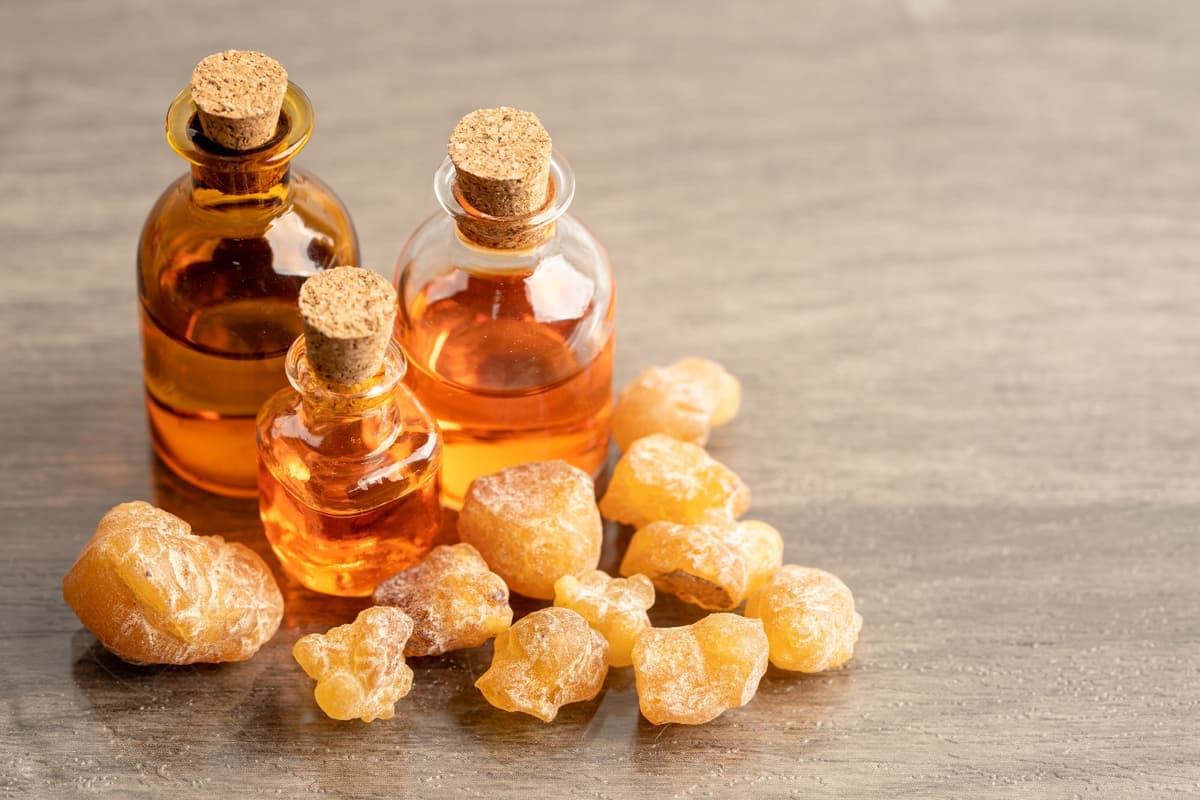
Yes — Boswellia serrata (Shallaki) is one of the most clinically validated natural remedies for joint pain. It works through four key mechanisms:
• Inhibits 5-LOX enzyme — the key driver of joint inflammation
• Reduces cartilage-degrading enzyme (MMP) activity
• Decreases synovial inflammation and joint swelling
• Improves joint space and mobility in clinical trials
Multiple randomized controlled trials confirm meaningful improvement in pain, stiffness, and function — often within 4 to 8 weeks of consistent use.
Joint pain has become one of the defining health challenges of our time. Whether it is the grinding ache of osteoarthritis, the systemic flare of rheumatoid arthritis, or the chronic stiffness that follows years of demanding physical work, millions of people are searching for something that works — without the side effects that come standard with long-term pharmaceutical use. Boswellia serrata, the ancient tree resin known in Ayurveda as Shallaki, has emerged as one of the most scientifically credible natural answers to that search. And unlike many herbal remedies where the evidence is thin and anecdotal, the clinical research behind Boswellia serrata uses is substantial, growing, and genuinely impressive.
This guide brings together the full picture: what Boswellia serrata is, what Shallaki means in the Ayurvedic tradition, what the clinical trials actually show, and how you can put this extraordinary botanical to work in your life today. If you have been living with joint pain and wondering whether there is a smarter, safer path to relief, read on.
Long before pharmaceutical companies synthesized ibuprofen or developed biologic drugs, healers across India, Arabia, and East Africa were harvesting a golden resin from the bark of the Boswellia tree. This resin — burned as incense in temples, used in embalming by the ancient Egyptians, and recorded in Ayurvedic texts as a remedy for joint and inflammatory disorders — has now become the subject of rigorous modern research. The journey from sacred resin to evidence-based supplement is not a coincidence. It reflects the accumulated observational wisdom of thousands of years, finally validated by the tools of contemporary medicine.
Boswellia serrata is a deciduous tree native to the dry, rocky hillsides of India, particularly in the states of Rajasthan, Madhya Pradesh, and Jharkhand. It belongs to the Burseraceae family — the same family as myrrh — and can grow up to 4.5 meters in height with a papery, peeling bark. The tree's therapeutic value lies in its oleo-gum resin, a thick, fragrant substance that seeps naturally from incisions made in the bark. This resin is the source of boswellic acids — the group of pentacyclic triterpene compounds responsible for Boswellia's documented anti-inflammatory and analgesic effects. The most pharmacologically active of these is acetyl-11-keto-β-boswellic acid (AKBA), which has demonstrated potent and selective inhibition of the inflammatory enzyme 5-lipoxygenase (5-LOX) in multiple studies.
In Ayurvedic medicine, Boswellia serrata is known as Shallaki — a name derived from Sanskrit, associated with the tree's resinous exudate and its powerful healing properties. The Shallaki plant has been documented in classical Ayurvedic texts including the Charaka Samhita and Ashtanga Hridayam, where it is classified as a Rasayana (rejuvenating herb) and as Shothahara — a category specifically denoting herbs that reduce swelling and inflammation. In traditional Ayurvedic practice, Shallaki was used primarily for conditions now recognized as osteoarthritis, rheumatoid arthritis (Amavata), gout, and lower back pain. It was administered as a powdered resin (churna), as a medicated ghee, or applied topically in oil-based formulations. Its Ayurvedic profile describes a hot potency (Ushna Virya) that penetrates deep tissue layers, a bitter and sweet taste combination that supports detoxification and nourishment simultaneously, and a particular affinity for pacifying Vata and Kapha doshas — the constitutional imbalances most associated with joint pain and inflammation.
Boswellia serrata in Hindi is most commonly known as Shallaki or Salai, with its resin referred to as Salai guggul. In different parts of India, regional names reflect the plant's widespread traditional use: Kunduru in Telugu, Parangisambirani in Tamil, and Dhup in Marathi. The resin has also historically been traded under the Arabic name Luban, reflecting its importance in cross-continental Ayurvedic and Unani medicine traditions. This linguistic diversity is itself evidence of just how deeply embedded Shallaki is in South Asian healing culture — this is not a recently discovered herb. It is a cornerstone remedy that every major traditional system on the subcontinent recognized independently for the same core application: reducing inflammation, relieving pain, and protecting joint health.
To understand why Boswellia works, you need to understand the inflammatory pathway it targets. Most pharmaceutical anti-inflammatories — ibuprofen, naproxen, diclofenac — work by inhibiting the COX (cyclooxygenase) enzymes that produce pain-producing prostaglandins. This is effective, but it also blocks prostaglandins that protect the stomach lining, which is why long-term NSAID use is associated with gastrointestinal damage, ulcers, and cardiovascular risk. Boswellia takes a fundamentally different approach. Its primary target is the 5-lipoxygenase (5-LOX) enzyme — a key driver of the leukotriene inflammatory cascade that is especially active in joint tissue. By selectively inhibiting 5-LOX, AKBA (the most potent boswellic acid) reduces the production of pro-inflammatory leukotrienes without disrupting the prostaglandins that protect the gut.
Beyond 5-LOX, boswellic acids also suppress the NF-κB pathway — a master regulator of inflammatory gene expression — and inhibit matrix metalloproteinases (MMPs), the enzymes responsible for degrading cartilage in arthritic joints. This last action is particularly significant: it suggests that Boswellia is not merely masking pain, but actively protecting the structural integrity of joint tissue. That is a meaningful distinction from most conventional pain medications, which address symptoms without modifying the underlying disease process.
The evidence base for Boswellia serrata in joint pain management is among the strongest of any herbal remedy. A landmark randomized controlled trial published in Phytomedicine found that patients with knee osteoarthritis who received Boswellia serrata extract experienced significantly greater reductions in pain and improvements in physical function compared to placebo — with effects becoming noticeable within four weeks and continuing to improve through eight weeks of supplementation. A systematic review and meta-analysis covering multiple RCTs concluded that Boswellia serrata extract was superior to placebo for both pain reduction and functional improvement in osteoarthritis, with a favorable safety profile. Notably, some trials have directly compared Boswellia against NSAIDs, finding comparable efficacy for pain relief with significantly fewer adverse events — particularly gastrointestinal ones. For people managing chronic joint conditions who cannot tolerate long-term NSAID use, this comparison is clinically meaningful. For knee-specific joint pain, our guide at reset.in/blog/what-causes-knee-pain-in-females offers further context on why women are particularly vulnerable to knee joint degeneration and what the full management picture looks like.
The comparison between Boswellia serrata and NSAIDs is not simply academic. For the millions of people who rely on ibuprofen or diclofenac daily to manage arthritis or chronic back pain, the long-term implications are significant. NSAIDs carry well-documented risks with sustained use: gastrointestinal bleeding, renal stress, elevated cardiovascular risk, and — paradoxically for joint conditions — potential acceleration of cartilage breakdown with prolonged use. Boswellia, by contrast, acts through a pathway that does not compromise gastric protection, does not burden the kidneys at standard doses, and has shown a cartilage-protective effect in vitro. This does not mean Boswellia is a wholesale replacement for pharmaceutical care — for acute severe pain or inflammatory flares, NSAIDs and steroids remain important tools. But as a daily maintenance strategy for chronic joint pain, Boswellia serrata offers a profile that compares very favorably.
Shallaki benefits are most extensively documented in the context of osteoarthritis — particularly knee osteoarthritis, which is the most prevalent joint disease globally. In clinical studies, Shallaki extract has consistently demonstrated reductions in pain scores (measured by the Visual Analogue Scale and WOMAC index), improvements in walking distance, decreases in joint swelling, and enhanced flexion range. These outcomes are not marginal — in several trials, the improvements were clinically significant and comparable to active pharmaceutical comparators. For rheumatoid arthritis, the evidence is somewhat more limited but still encouraging. Boswellia's modulation of the NF-κB and leukotriene pathways is particularly relevant in the context of autoimmune joint inflammation, where these pathways are chronically overactivated. Shallaki is commonly included in Ayurvedic formulations for Amavata (the Ayurvedic equivalent of RA) alongside Nirgundi, Ashwagandha, and Guggul. For a comprehensive understanding of how RA progresses and what each stage demands, our guide on the 4 stages of rheumatoid arthritis provides a detailed clinical and Ayurvedic framework. If frozen shoulder symptoms accompany your joint issues, reset.in/blog/what-causes-frozen-shoulder-signs-stages-and-recovery-guide offers targeted insight into that often-overlooked inflammatory condition.
The clinical reach of Boswellia serrata extends well beyond joint health. In gastroenterology, Boswellia has shown comparable efficacy to mesalamine in at least one controlled trial for ulcerative colitis — a finding that reflects its potent intestinal anti-inflammatory action via 5-LOX suppression. For respiratory health, Boswellia's leukotriene-inhibiting effects make it relevant for asthma management, with studies showing reduced frequency of asthmatic episodes in supplemented patients. Emerging neurological research is particularly intriguing: incensole acetate, a component of Boswellia resin, has demonstrated neuroprotective and anxiolytic effects in preclinical models, suggesting potential applications in stress, anxiety, and cognitive preservation. These expanded applications reinforce why Shallaki has held such a prominent place in Ayurvedic Rasayana therapy — as a herb that does not merely fix one problem, but supports systemic resilience across multiple organ systems. For pain that radiates from the abdominal region or has a visceral inflammatory component, reset.in/blog/abdominal-and-stomach-pain-guide-causes-quadrants-left-and-right-side-pain-relief offers a useful diagnostic framework.
Today, Boswellia serrata is available in standardized extract form, typically concentrated to contain a defined percentage of boswellic acids (often 65–70% total boswellic acids, with specific standardization for AKBA content). It is used as a daily supplement for chronic joint pain management, as part of combination formulations for arthritis, as a sports recovery aid, and increasingly as part of gut and respiratory health protocols. When used topically in a herbal emulsion or oil, boswellic acid-containing preparations provide localized anti-inflammatory and analgesic relief — particularly valuable for joints where direct application can bypass systemic circulation entirely and act right at the site of inflammation.
When selecting a Boswellia serrata supplement for joint pain, the quality of standardization matters enormously. Raw Boswellia resin powder is less predictable in its potency than a standardized extract. Look for products that specify their boswellic acid content — ideally standardized to at least 60% total boswellic acids, with clear AKBA content disclosed. AKBA is the most pharmacologically active compound and the one most extensively studied in joint pain trials. A clinically relevant daily dose in most studies falls in the range of 100 to 250 mg of AKBA, or 300 to 500 mg of a 65%-standardized extract. Taking the supplement with food improves absorption, as boswellic acids are fat-soluble. Allow four to eight weeks of consistent use before evaluating outcomes — this is not a supplement that delivers results overnight, but its effects are durable and accumulating.
Oral supplementation addresses systemic inflammation, but for localized joint pain — a knee that swells after activity, a wrist that stiffens in the morning, a lower back that seizes after sitting — topical application offers something oral supplementation cannot: direct delivery to the exact site of pain, without waiting for the compound to be absorbed through the gut and distributed systemically. Herbal emulsions and oils containing Boswellia-grade anti-inflammatory botanicals can penetrate the skin and periarticular tissue, reducing local inflammation and providing analgesic relief within minutes of application. This makes topical application ideal for flare management, post-activity recovery, and daily maintenance on a targeted joint.
•Apply the emulsion or oil gently over the affected joint in slow circular motions
•Use 2 to 3 times daily — ideally morning, midday, and before sleep
•Apply after a warm shower when skin is most receptive to absorption
•Allow 20 to 30 minutes of absorption time before covering with clothing
•For cervical or back pain, apply along the spine and massage into the surrounding musculature
•For best results, maintain consistent daily use over several weeks rather than using only during flares
At Reset, the formulation philosophy begins with botanical synergy — combining herbs whose mechanisms complement each other to produce effects neither achieves alone. The RESET Easy-to-Rub Emulsion brings together Nirgundi (Vitex negundo) and Wintergreen (Gaultheria procumbens) in a lightweight, non-greasy emulsion that delivers rapid transdermal penetration without the mess of traditional herbal oils. Nirgundi contributes its flavonoid complex — particularly vitexin and luteolin — for COX-2 and neuroinflammatory pathway suppression, while Wintergreen contributes methyl salicylate, a natural analgesic compound that increases blood flow to the applied area and amplifies pain relief. Together, they address joint pain through both anti-inflammatory and counter-irritant mechanisms — a combination that reflects the same multi-pathway logic that makes Shallaki so effective systemically. Free from preservatives, harsh chemicals, and artificial fragrance, the roll-on format means targeted application with no hands required and no residue on clothing.
Used consistently alongside an oral Ayurvedic protocol — or simply as a standalone topical remedy for day-to-day joint comfort — the RESET Easy-to-Rub Emulsion brings clinically grounded herbal relief directly to where you need it most.
•Boswellia serrata (Shallaki) is one of the most evidence-supported natural remedies for joint pain, with multiple randomized controlled trials confirming meaningful improvements in pain, stiffness, and physical function — particularly in osteoarthritis.
•Its active compound AKBA selectively inhibits 5-LOX — a key inflammatory enzyme — without disrupting the stomach-protective prostaglandins targeted by NSAIDs, making it far better tolerated for long-term use.
•Boswellia also inhibits MMP enzymes that degrade cartilage, suggesting a disease-modifying effect rather than just symptomatic relief — a critical distinction for anyone managing chronic joint conditions.
•Clinical evidence supports Boswellia serrata uses across osteoarthritis, rheumatoid arthritis, inflammatory bowel disease, asthma, and emerging neuroprotective applications.
•Allow 4 to 8 weeks of consistent oral supplementation for full anti-inflammatory effects; topical application provides faster, targeted local relief and works best as a complementary daily strategy.
•Standardization matters: choose supplements specifying their boswellic acid content, ideally with disclosed AKBA percentage, for consistent and predictable clinical results.
•Combining Boswellia with complementary botanicals — Nirgundi, Ashwagandha, curcumin, Guggul — is standard Ayurvedic practice and reflects the synergistic multi-pathway approach that makes herbal medicine most effective.
Boswellia serrata is used primarily as a natural anti-inflammatory and analgesic for chronic joint conditions including osteoarthritis and rheumatoid arthritis. It is also used for inflammatory bowel disease, asthma, and as a general Rasayana (rejuvenative tonic) in Ayurvedic medicine. Its active boswellic acids — particularly AKBA — have been studied in multiple clinical trials confirming efficacy for joint pain, swelling, and functional improvement.
Shallaki is the Sanskrit Ayurvedic name for Boswellia serrata. It is classified as a Shothahara (anti-inflammatory), Vedanasthapana (analgesic), and Rasayana (rejuvenative) herb in Ayurvedic pharmacology. Shallaki is prescribed primarily for Amavata (rheumatoid arthritis), Sandhivata (osteoarthritis), and conditions involving Vata and Kapha aggravation — the constitutional imbalances most associated with joint pain, stiffness, and oedema.
Most clinical trials report noticeable improvements in pain and joint function within 4 to 8 weeks of consistent oral Boswellia supplementation. Some studies report early improvements — including reduced swelling and improved walking distance — within 2 to 4 weeks. Topical application of Boswellia-containing herbal preparations can provide more immediate local relief, typically within 15 to 30 minutes of application. The key is consistency: Boswellia's anti-inflammatory effects are cumulative and increase with sustained daily use.
Boswellia serrata is generally well-tolerated and has a favorable safety profile compared to NSAIDs and steroids. The most commonly reported side effects are mild gastrointestinal symptoms — nausea, stomach discomfort, or loose stools — particularly when taken on an empty stomach. Taking Boswellia with food significantly reduces this risk. Allergic reactions are rare. Boswellia does not carry the cardiovascular, renal, or gastric bleeding risks associated with long-term NSAID use. As with any supplement, consult a healthcare professional if you are pregnant, breastfeeding, or on immunosuppressive medication.
Yes — daily use is both safe and clinically recommended for managing chronic joint conditions. Ayurvedic practice has long prescribed Shallaki as a continuous daily Rasayana for joint and inflammatory health. Clinical trials have studied Boswellia supplementation over periods of 8 to 24 weeks with no significant safety concerns emerging. For chronic arthritis management, consistent daily use produces progressive and durable improvements in pain, stiffness, and mobility — far superior to intermittent use during flares only.
Both Boswellia and turmeric (curcumin) are well-evidenced natural anti-inflammatories, but they work through different pathways and are most powerful in combination. Boswellia's AKBA primarily inhibits 5-LOX and MMP enzymes; curcumin primarily inhibits COX-2 and NF-κB. Together, they cover a broader spectrum of the inflammatory cascade than either achieves alone — which is why many evidence-based Ayurvedic joint formulations include both. Neither is categorically 'better'; rather, they are complementary. For someone choosing between them, Boswellia has a more consistent and robust evidence base specifically for joint pain outcomes in clinical trials, while curcumin has broader systemic anti-inflammatory and antioxidant evidence.
Explore these related guides for a complete picture of pain, inflammation, and Ayurvedic recovery:
→ What Causes Knee Pain in Females
→ What Causes Back Pain — A Complete Guide
→ Best Ayurvedic Treatment for Cervical Spondylosis
→ What Causes Frozen Shoulder: Signs, Stages & Recovery
→ Abdominal and Stomach Pain Guide
→ Ayurvedic Medicine for Headache
→ Best Ayurvedic Remedies for Period Pain
→ Which Oil Is Best for Teeth Pain
Share this article:
An easy to apply potent formula with roll-on massager

₹549.00
₹449.00
Rejuvenating blend of herbal ingredients for your liver detox.

₹559.00
₹449.00
Infused with 6 powerful essential oils

₹1,299.00
₹999.00
For instant action and faster absorption

₹369.00
₹349.00
| Property | Detail |
|---|---|
| Botanical Name | Boswellia serrata Roxb. ex Colebr. |
| Common Names | Shallaki (Sanskrit/Hindi), Salai guggul, Indian frankincense, Kunduru (Telugu), Parangisambirani (Tamil) |
| Boswellia Serrata in Hindi | Shallaki / Salai / Luban (لُبان in Arabic contexts); resin known as Salai guggul in Hindi-speaking regions |
| Plant Family | Burseraceae |
| Part Used | Oleo-gum resin extracted from bark of the Boswellia tree |
| Ayurvedic Classification | Rasayana (rejuvenative), Shothahara (anti-inflammatory), Vedanasthapana (analgesic) |
| Taste (Rasa) | Bitter (Tikta), Sweet (Madhura), Pungent (Katu) |
| Potency (Virya) | Hot (Ushna) |
| Dosha Action | Pacifies Vata and Kapha; mildly increases Pitta |
| Key Active Compounds | Boswellic acids (AKBA, β-boswellic acid, acetyl-β-boswellic acid), incensole acetate, lupeolic acid |
| Primary Pharmacological Actions | 5-LOX inhibition, COX-2 modulation, MMP suppression, NF-κB pathway downregulation |
| Feature | Boswellia Serrata | NSAIDs (e.g. Ibuprofen) | Corticosteroids |
|---|---|---|---|
| Primary Mechanism | 5-LOX inhibition, MMP suppression, NF-κB modulation | COX-1 & COX-2 inhibition | Broad immunosuppression, cortisol pathway |
| Onset of Action | Gradual — noticeable effects in 4–8 weeks | Fast — hours to days | Very fast — hours |
| Effect on Cartilage | Protective — may slow degradation | Neutral to negative with long-term use | Negative — accelerates cartilage thinning with chronic use |
| GI Side Effects | Minimal — does not erode gastric lining | Common — ulcers, bleeding risk | Moderate — stomach irritation |
| Systemic Side Effects | Rare and mild (mild GI discomfort in some) | Cardiovascular risk with prolonged use | Significant — blood sugar, bone density, immune suppression |
| Long-Term Suitability | High — safe for extended daily use | Limited — risks accumulate | Low — not recommended for prolonged use |
| Best Suited For | Chronic joint inflammation, arthritis management, daily support | Acute flares, short-term pain | Severe acute inflammation under medical supervision |
| Condition / Use | Mechanism of Action | Evidence Level |
|---|---|---|
| Osteoarthritis (knee, hip) | Reduces synovial inflammation, protects cartilage, improves joint space | Strong — multiple RCTs with significant improvement in WOMAC and VAS scores |
| Rheumatoid Arthritis | Modulates autoimmune inflammatory cascade, reduces joint swelling | Moderate — clinical studies show meaningful symptom reduction as adjunct therapy |
| Inflammatory Bowel Disease | 5-LOX inhibition reduces intestinal inflammation; shown comparable to mesalamine in some studies | Moderate — clinical trials for Crohn's and ulcerative colitis |
| Asthma / Respiratory | Reduces bronchial inflammation via leukotriene suppression | Moderate — RCTs show reduced frequency of asthma attacks |
| Brain / Neuroprotection | Incensole acetate shown to have anti-anxiety and neuroprotective effects | Emerging — preclinical and early human research |
| Cervical & Back Pain | Reduces neurogenic and musculoskeletal inflammation around spinal structures | Moderate — clinical observations and Ayurvedic practice |
| Post-Workout Recovery | Reduces exercise-induced muscle damage markers and delayed onset soreness | Moderate — growing sports science literature |
| Aspect | Oral Boswellia Supplement | Topical Boswellia / Herbal Emulsion |
|---|---|---|
| Route of Action | Systemic — absorbed via gut, acts throughout the body | Local — acts directly at the applied site |
| Best For | Widespread inflammation, chronic systemic conditions, IBD | Localized joint pain, targeted muscle/nerve discomfort |
| Onset | 4–8 weeks for full anti-inflammatory effect | Faster local relief — often within 15–30 minutes of application |
| GI Considerations | May cause mild GI discomfort in sensitive individuals; take with food | No GI involvement — bypasses digestive system entirely |
| Complementary Ingredients | Often combined with curcumin, Ashwagandha, or collagen | Combined with Nirgundi, Wintergreen for synergistic analgesic action |
| Ideal Use Pattern | Daily oral dose as part of a joint health supplement protocol | Apply 2–3 times daily directly over affected joints or muscles |
| Combined Strategy | Oral + topical together | Oral + topical together — complementary, not competing |

