
The Complete Ashwagandha Powder Guide: Benefits, Dosage, Timing, and Safety
2026-09-07 • 4 min
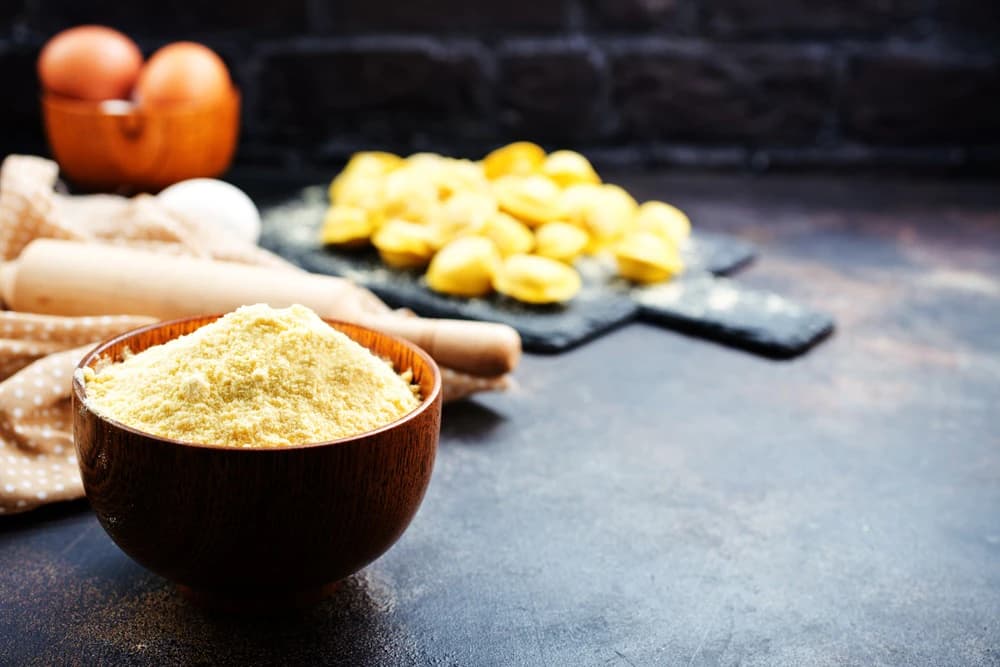
Custard powder is a flexible ingredient used for desserts, winning crowns for its smooth texture, attractive colour, and familiar flavour. It is often used to make warm custard, cold fruit desserts, puddings, cake fillings and layered sweets. Custard powder is a handy and easy ingredient for everyday desserts and more elaborate homemade recipes.
What Is Custard Powder?
Custard powder ingredients formulations differ between brands, but the primary ingredient in most formulations is starch, which gives the desired thickness and consistency. Depending on the formulation, the powder may also contain permitted food colours, flavouring agents and a small amount of salt.
Understanding Its Nutritional Profile
The nutritional composition varies significantly among manufacturers due to the different recipes and formulations. The following numbers are an example of the approximate nutritional composition of one of the commercially available powders per 100 g.
How to Make Custard at Home
Making a basic custard powder recipe is quite easy and can be adjusted depending on whether you want a thin sauce or a thicker dessert.
Mix a small amount of custard powder with cold milk until smooth and lump-free.
Heat the remaining milk in a saucepan.
Gradually add the prepared paste to the warm milk while stirring.
Cook over a low to medium heat until smooth and creamy.
Remove from the heat.
Bear in mind that the custard will usually continue to thicken as it stands.
Creative Ways to Use Custard Powder
The versatility of custard powder uses gives it an advantage over other ingredients. One can easily experiment with the consistency to suit a particular recipe. This opens up a world of possibilities as far as custard recipes are concerned. You can try it in a variety of sweet dishes or simply enjoy the classic custard pudding.
Fresh Fruit Desserts
Fruits like mangoes, bananas, apples, grapes, and berries complement the chilled custard. You have to prepare the base and let it cool down first before adding the other ingredients. The freshness of the mix is guaranteed by the addition of a piece of fruit. All kinds of seasonal fruit can be used and mixed together in various combinations. It is best to add the fruit a short while before serving to avoid it becoming soggy.
Cake and Pastry Fillings
For cakes and pastries, the custard can be made to a denser consistency so it sets more firmly. Once cooled, it can be spread between sponge layers or used to fill appropriate pastry cases. Vanilla styles work particularly well with chocolate, berries, caramel and other classic flavours. This kind of custard filling adds moisture without adding too much weight to the overall texture of the dessert. It can be varied in thickness depending on the type of cake.
Layered Trifles
Trifles are an easy way to combine several flavours and textures in one dessert. Custard can sit between layers of sponge, jelly, fruit, or other ingredients of choice. These contrasting elements make every spoonful slightly different. Allowing the assembled trifle to chill also gives the layers time to settle together. Serving it in a transparent dish can highlight the colourful arrangement.
Spoonable Puddings
A firmer preparation can be made into an easy chilled pudding. Pour the mixture into individual cups or dessert glasses and set in the refrigerator. The mixture will firm up as it cools. Add chopped nuts, pieces of fruit, or a light topping to individual cups for variety. Individual cups are handy for serving as well.
Baking Applications
The dry powder is good at being part of certain recipes for cakes, biscuits, cookies, and other baked goods. Its starch content can affect the softness and structure of the final product. The flavour of the powder varies depending on the type, while the amount varies on the flour, liquids and other ingredients used in the recipe.
Preparation Errors That Can Affect the Result
Adding Dry Powder Directly to Hot Milk
Starch starts to thicken the liquid as soon as it hits the hot liquid, which results in forming lumps containing dry powder. To avoid this, mix it with a cold liquid first, allowing it to expand evenly.
Cooking at Very High Temperature
Excessive heat can cause the mixture to thicken more quickly than desired and could also cause it to scorch on the bottom. Low to moderate heat gives better control.
Leaving the Pan Unattended
Stirring the mixture at regular intervals is critical as the thickness increases. It is important to keep stirring to avoid the mixture from sticking.
Waiting Until It Becomes Too Firm
The dessert continues to set after it leaves the stove. Stopping the cooking process slightly before the final chilled consistency is reached can prevent an overly dense texture.
Combining Fresh Fruit Too Early
Hot custard can affect the texture of delicate fruit. Allow the prepared base to cool before folding in fresh pieces for a better final result.
Best Way to Store
Keeping the powder dry is one of the most important aspects of maintaining its quality. An unopened pack should be stored according to the manufacturer's directions and used within its stated best-before period.
After opening, seal the original package carefully into a clean, dry, airtight food-grade container. Choose a cupboard protected from direct sunlight, excessive heat and humidity. Locations immediately beside a stove or sink are less suitable because steam and moisture can reach dry ingredients.
Always use a completely dry spoon when removing the required quantity. Even a small amount of introduced moisture can encourage clumping and affect the condition of the remaining product.
Making Custard Part of a Balanced Diet
Add Fresh Fruits: like apples, bananas, mangoes or berries to your custard for extra fibre, vitamins and taste.
Add Nuts and Seeds: like almonds, walnuts, pistachios or seeds to get an additional dose of fibre, protein and good fats.
Select Milk Wisely: While making custard, select a type of milk which suits your taste buds and needs.
Keep Sugar Content Low: You can freely add sugar to the custard based on your personal liking, remembering that the custard will be inherently sweet because of the fruits you select.
Select a Suitable Portion: Consume your custard in a proper portion as part of a balanced diet including various healthy foods.
When To Avoid Taking Custard Powder
If you have diabetes: If you use store-bought custard, you may need to add some sugar and milk, which will increase the total carbohydrate content and may also cause your blood glucose levels to rise.
During weight loss journeys: Custard with additional sugar and full-fat milk can be a high-calorie food, which means that eating it frequently or in large portions might complicate your efforts.
If you are following a liver care diet: It would be beneficial for those who follow a certain liver care diet to pay more attention to the added sugar, portion size, and overall nutrient content of dessert foods.
If you are taking herbal supplements such as Kalmegh: Those looking into Kalmegh benefits and using Kalmegh as part of their wellness routine should avoid adding custard to their diet.
For infants under 6 months: Custard and similar complementary foods are generally not appropriate before around six months of age, when complementary feeding typically begins alongside breast milk or infant formula.
When to Consult a Doctor
Persistent Digestive Discomfort
Signs of an Allergic Reaction
Existing Dietary Conditions
Recurring Digestive Symptoms
FAQ
1. What is custard powder made of?
Custard powder is typically made from starch, flavouring, permitted food colours and a small amount of salt. Some varieties also contain sugar, so the exact custard powder ingredients can vary by brand.
2. How is custard powder different from traditional egg-based custard?
Traditional custard relies on eggs or egg yolks for thickening, while custard powder generally uses starch. This makes the powdered version easier to prepare without the careful temperature control required for egg-based custard.
3. What are the most common uses of custard powder in cooking and baking?
Common custard powder uses include fruit custard, puddings, trifles, cake fillings, pastries and selected baked desserts. Its consistency can be adjusted depending on whether you need a sauce, filling or thicker dessert.
4. Is custard powder healthy, and what is its nutritional value?
Custard powder is mainly starch-based, so carbohydrates usually make up most of the dry product. Its overall nutritional value depends on the brand and what is added during preparation, such as milk, sugar, fruit or cream.
5. How do you make smooth, lump-free custard using custard powder?
First mix the powder with a small amount of cold milk until completely smooth. Gradually stir this paste into warm milk and cook over low to medium heat while stirring continuously to prevent lumps.
6. How should custard powder be stored to maintain its quality and shelf life?
Keep the powder in a tightly sealed container in a cool, dry place away from sunlight, heat and moisture. Always use a clean, dry spoon and follow the storage and best-before instructions provided on the pack.
7. Can custard powder be used as a substitute for cornstarch or other thickeners?
Custard powder may work as a thickener in some sweet recipes because starch is usually its main ingredient. However, added flavouring and colour can change the finished dish, so it is not a direct substitute for cornstarch in every recipe.
Share this article: