
Curry Leaves Benefits: Nutrition, Uses, and Health Advantages
2026-02-21 • 4 min
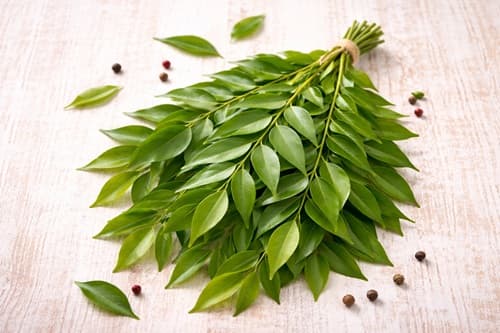
You know it's the curry leaves in cooking when it feels like a distinct, fresh, and citrusy aroma. They crackle for a second in hot oil, turning any simple dish into something deeper, warmer, and more complete. But curry leaves, often called kadi patta, pack more than just flavor.
They have been used in traditional wellness systems for centuries to support digestion, metabolism, and skin and hair health. Thanks to their nutrient-dense nature, the leaves fit easily into everyday food to offer a complete wellness package. When consumed daily in the right way, curry leaves benefits noticeable changes in health and appearance.
Let’s learn more about curry leaves, how to consume them, the benefits of curry leaves, and what to pair them with for a diverse wellness experience.
What are Curry Leaves?
Commonly grown across India and Sri Lanka, curry leaves come from the Murraya koenigii plant. Curry leaves are glossy, aromatic, distinctly citrusy, and slightly bitter in taste. It builds the base flavor of dishes, especially South Indian, like soups, dals, sambars, curries, chutneys, and herbal teas.
Curry Leaves Nutritional Value
Curry leaves might be small, but their nutritional value is far greater than their weight. Although the exact value varies by freshness, quantity, variety, and storage, it contains fiber, antioxidants, minerals, vitamin A, and C, and plant pigments.
Per 100g of fresh curry leaves offers:
How to Use Curry Leaves
Curry Leaves Water
Curry leaves water benefits with bloating, gas, weight management, detoxification, and better heart health.
Soak around 10 curry leaves overnight. Strain it in the morning and drink empty stomach. Alternatively, boil 10-12 curry leaves for 5-7 minutes and enjoy a lukewarm drink. For added flavor, you can also squeeze a lemon into water.
Curry Leaves Juice
Curry leaves juice benefits include blood sugar regulation, immunity improvement, and enhanced skin and hair health.
Blend 15–20 fresh leaves in 50–100 ml of water. Strain and drink. You can also add a few drops of amla juice, a little lemon, or a pinch of black pepper for added flavor. To begin with, drink it after breakfast for 3–4 days to see how your body reacts.
Curry Leaves Tea
Curry leaves tea helps deal with digestive problems and diabetes by improving insulin sensitivity and managing cholesterol llevels
Take it after lunch by boiling 10–12 leaves in 1.5 cups of water. Simmer for 5 minutes, steep 2 minutes, and strain. Add ginger slices or cumin seeds for an extra boost of flavor.
Curry Leaves Oil
Curry leaves benefits for hair are often linked to stronger roots, healthy growth, and naturally shiny hair. It is the most popular use of curry leaves, as they reduce hair fall, prevent dryness, and premature greying.
A common way to use curry leaves hair oil is by infusing a handful of them in hot coconut oil or sesame oil. Simmer 3–5 minutes until leaves look crisp, and allow it to cool down before massaging.
Curry Leaves Benefits
Curry leaves have multiple nutritional and functional values. However, these benefits are always leveraged with consistency. If used regularly along with a healthy lifestyle, curry leaves offer the following benefits:
Digestion Support
There’s a major reason why curry leaves are frequently added to Indian cooking. Traditionally, curry leaves have been used to aid digestive discomforts such as bowel regularity, bloating, gas, or especially when meals are heavy, oily, or spicy. They make certain meals feel lighter, supporting appetite balance.
High Antioxidant Content
Another most discussed benefit of curry leaves is their antioxidant content. Also, they’re packed with bioactive plant compounds. Together, they help manage oxidative stress that prevents aging and many chronic conditions. In addition, curry leaves also help eliminate harmful bacteria from the body.
Supports Blood Sugar and Cholesterol Level
Curry leaves water benefits with diabetes indirectly. But their compounds support glucose metabolism, insulin sensitivity, and lipid profiles like cholesterol management, supporting heart health. To get the most of this benefit, make curry leaves a part of your balanced meal and active lifestyle.
Liver Support
Curry leaves have a long history of use in traditional Indian systems for liver and metabolic support. It has liver-protective properties that improve its function by neutralising toxins and boosting enzyme activity. Again, that doesn’t mean it will cover up your alcohol intake, unhealthy diet, or related activities.
Boost Hair Health
Curry leaves benefits for hair are most talked about. When massaged, chewed, or consumed consistently, they help with nourishing follicles, scalp dryness, hair texture, and hair fall. Also, it is time-tested for healthy and shiny hair growth.
Wound Healing
Curry leaves contain antibacterial, antifungal, and anti-inflammatory properties. This helps to fight infections and reduce inflammation. You can simply crush curry leaves and apply them directly to the wound or minor skin infection to accelerate recovery.
Improve Eye Health
Curry leaves have a high content of vitamin A and carotenoids. Both of them act to protect against corneal damage, prevent dryness, night blindness, and vision loss. Moreover, their high antioxidant content helps combat age-related vision impairment.
How to Get the Most Benefits From Curry Leaves
To notice the full benefits of curry leaves, it is important to include them daily in your diet in a form you can stick to. Consuming it regularly for a week and quitting won’t fix anything.
Food Pairing
Making curry leaves a part of your daily diet is the most sustainable and gut-friendly way to consume them. Just add 5-6 slightly crushed fresh curry leaves to your regular Indian tadka.
Lifestyle
Curry leaves can not compensate for an unhealthy lifestyle that includes stress, excessive screen time, sedentary behavior, or sleep deprivation. You can only see your hair shine and gut health when the basics are in place. Do not depend on them, but make them a part of your broader wellness routine.
Nutrition
Any herbal substance or curry leaves can not cover the nutrient gap. Curry leaves compounds work best as part of a nutrient-rich diet. Pair them with enough protein, iron-rich foods, and healthy fat to get the maximum benefit.
Exercise
If you have a sedentary lifestyle, no supportive herb can complement your wellness and health in general. Therefore, ensure to make physical activity a part of your day. Try brisk walking, yoga, strength training, and soaking up vitamin D in the morning.
Supplements
Based on age and lifestyle, supplements can complement the antioxidants and micronutrients present in curry leaves. A few options that often pair well are:
· Omega-3: For heart health, brain support, inflammation, hair, and skin.
· Multivitamin: Completes your daily vitamin intake and supports nutrient absorption. Not to forget, choose age-appropriate doses and forms like vitamin gummies for kids with low sugar content or tablets for adults.
· Vitamin C: Add vitamin C gummies or natural options like lemon or amla for better absorption of plant compounds. It also supports immune function and collagen formation.
· Herbal Adaptogens: Choose other herbal options that support your wellness routine and lifestyle. For instance, brahmi to improve focus, and ashwagandha for stress resilience. If confused about brahmi vs ashwagandha, remember that both support quality sleep and a calm mind.
FAQs
1. What are curry leaves good for?
Curry leaves are mainly known to provide digestive support, metabolic wellness, reduce bloating, improve blood sugar levels, liver support, and promote healthy hair.
2. What is the best way to eat curry leaves daily?
The best way to use curry leaves in food is via tadka in dal, sabzi, khichdi, or rice. Lightly crush 8–15 fresh leaves before adding them to hot oil, and avoid burning to preserve aroma and useful compounds.
3. Is curry leaf water good for you, and when should you drink it?
Curry leaves water benefits with gut comfort, especially after a heavy meal. You can drink it on an empty stomach for a lighter feel or between meals. Soak 8–12 leaves overnight or boil 10–15 leaves for 5–7 minutes.
4. Can curry leaves help with hair fall or hair growth?
Yes. Curry leaves infused oil supports hair fall and hair growth. Also, it offers other hair benefits like scalp comfort, dryness, dandruff, shiny, and frizz-free hair.
5. Is curry leaf powder as effective as fresh curry leaves?
No. Market curry leaf powder is usually less effective than fresh curry leaves in terms of benefits, aroma, and flavor. Packaged curry leaf powder is often older, oxidized, or mixed with fillers.
Share this article: