
Can Marine Collagen Help with Acne & Inflammation?
2026-01-29 • 4 min
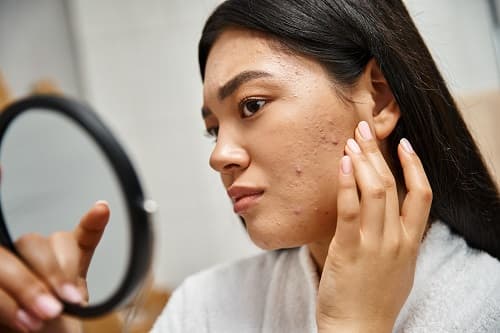
Acne is no longer limited to adolescence. A growing number of adults in their late twenties, thirties, and even forties struggle with persistent breakouts, redness, sensitivity, and skin inflammation that refuses to fully settle. Unlike teenage acne, adult acne tends to be slower to heal, more inflammatory in nature, and often accompanied by long-lasting marks and uneven texture.
What makes adult acne especially frustrating is that surface-level solutions rarely solve the problem. Strong actives, drying treatments, and frequent product switching may temporarily suppress breakouts, but they often weaken the skin barrier further, creating a cycle of irritation and flare-ups. This is where the conversation needs to move beyond topical care and toward internal skin support.
Marine collagen is increasingly being discussed in relation to acne recovery and skin inflammation. While it is commonly associated with anti-ageing and skin elasticity, its role in structural skin repair makes it relevant for anyone dealing with inflammation-driven skin concerns. The question many people are now asking is simple but important: can marine collagen actually help with acne and inflammation in a meaningful way?
Understanding Acne as an Inflammatory Process
Acne is not just a cosmetic issue. It is fundamentally an inflammatory condition. Breakouts occur when pores become clogged with oil and debris, allowing bacteria to trigger an immune response. This response leads to redness, swelling, pain, and prolonged healing time.
In adults, inflammation is often amplified by stress, poor sleep, hormonal fluctuations, environmental exposure, and slower cellular turnover. When inflammation persists, the skin struggles to repair itself efficiently. This results in acne that lasts longer, heals unevenly, and leaves behind visible marks.
Addressing inflammation is therefore critical. Without improving the skin’s ability to recover, even the best topical treatments can fall short. This is where nutrients that support repair and regeneration become relevant.
The Role of Collagen in Skin Structure and Repair
Collagen is the most abundant protein in the skin. It forms the framework that gives skin strength, elasticity, and resilience. Healthy collagen levels allow the skin to withstand daily stress, heal micro-damage quickly, and maintain a strong barrier against irritants.
As collagen production naturally declines with age, the skin becomes thinner and more fragile. Healing slows down, inflammation lingers longer, and the barrier function weakens. For acne-prone skin, this means breakouts are more likely to become inflamed and slow to resolve.
This is why collagen for skin inflammation is not about treating acne directly. Instead, it is about supporting the skin’s internal structure so it can repair itself more effectively.
Why Marine Collagen Is Often Preferred
Not all collagen sources behave the same way in the body. Marine collagen is derived from fish and is known for its high bioavailability. Its peptides are smaller, making them easier for the body to digest, absorb, and utilise.
For people dealing with inflammation, absorption matters. Efficiently absorbed collagen peptides can be delivered to tissues more effectively, supporting repair without overburdening digestion. This is particularly important because gut health and skin health are closely linked. Digestive stress can worsen inflammatory skin conditions, including acne.
Marine collagen’s lighter profile makes it a popular choice for those seeking internal skin support without adding further strain to the system.
Marine Collagen and Acne: What It Can and Cannot Do
It is important to be realistic. Marine collagen does not act like a medicated acne treatment. It does not kill acne-causing bacteria, regulate hormones, or instantly clear breakouts. What it does instead is support the conditions that allow acne-prone skin to heal more effectively.
Marine collagen acne support works by strengthening the skin’s structural layer. When the skin repairs faster, inflammation resolves more efficiently. Redness subsides sooner, and the risk of prolonged marks is reduced. Over time, improved structural integrity can make the skin less reactive to triggers that cause flare-ups.
In this way, marine collagen supports recovery rather than suppression.
Inflammation, Healing Speed, and Skin Resilience
Inflammation itself is not harmful. It is part of the body’s natural healing response. Problems arise when inflammation becomes chronic and healing is delayed. In acne-prone skin, this delay can keep breakouts active longer than necessary.
Collagen provides amino acids such as glycine and proline, which are essential for tissue repair. A consistent supply of these building blocks supports faster regeneration of damaged skin. When healing improves, inflammation has less opportunity to persist.
This is why collagen for skin inflammation is best approached as a daily habit. Sporadic use is unlikely to make a noticeable difference. Consistency allows the skin to rebuild its resilience gradually.
Adult Acne and the Need for Internal Support
Adult acne is rarely caused by a single factor. It is usually the result of cumulative stress on the body. Poor sleep, work pressure, nutrient depletion, and lifestyle imbalances all influence skin behaviour.
This is why internal nutrition plays such a significant role. Many people exploring collagen also look into complementary nutrients such as the benefits of biotin gummies for supporting skin, hair, and nail structure, or Vitamin B complex gummies to help manage stress response and cellular energy.
These nutrients do not replace collagen. Instead, they contribute to a broader wellness approach that supports skin function from multiple angles.
Will Collagen Make Acne Worse?
A common concern is whether collagen can trigger breakouts. Marine collagen is a protein, not a hormone or oil. It does not stimulate oil production or clog pores. For most people, it is well tolerated and does not worsen acne.
In fact, by supporting barrier strength and repair, collagen may help skin become less reactive over time. As with any supplement, individual responses can vary, but marine collagen is generally considered suitable for sensitive and acne-prone skin when used appropriately.
The Importance of Consistency and Patience
Marine collagen is not a quick fix. Results are gradual and depend on consistent daily use. Most people who notice benefits report improvements after several weeks, not days.
With regular intake, the skin may appear calmer, recover faster after breakouts, and show improved texture over time. These changes are subtle but meaningful, especially for those dealing with recurring inflammation.
This slow improvement is what makes collagen a long-term skin support rather than a short-term solution.
Who May Benefit Most from Marine Collagen
Marine collagen may be particularly helpful for adults who experience recurring, inflammation-driven acne, slow healing, or sensitive skin. It aligns well with a preventive wellness mindset, where the focus is on building stronger skin rather than constantly reacting to problems.
For individuals seeking a gentler, inside-out approach to skin health, marine collagen can play a supportive role as part of a balanced routine.
Final Thoughts: Supporting the Skin from Within
Acne and inflammation are signals that the skin needs support, not constant correction. While topical care remains important, internal nutrients that aid repair and resilience can make a meaningful difference over time.
Marine collagen supports the skin’s structural foundation, helping it recover more efficiently from inflammation. When combined with healthy habits and consistent use, it can contribute to calmer, more resilient skin.
It is not about instant transformation. It is about giving the skin what it needs to heal better, day after day.
Frequently Asked Questions
1. Can marine collagen help with acne?
Marine collagen does not treat acne directly, but it supports skin repair and may help reduce prolonged inflammation associated with breakouts.
2. Is collagen good for skin inflammation?
Yes. Collagen supports the skin’s structural layer, helping improve healing speed and barrier strength.
3. How long does marine collagen take to show skin benefits?
Most people notice changes after four to eight weeks of consistent daily use.
4. Can marine collagen be taken with biotin or Vitamin B complex gummies?
Yes. These nutrients are often used together as part of a broader skin and wellness routine.
5. Is marine collagen suitable for acne-prone skin?
Generally yes. Marine collagen is well tolerated and does not typically increase breakouts.
Share this article: