
Blue Tea Benefits: What Actually Changes If You Drink It Regularly?
2026-10-09 • 4 min
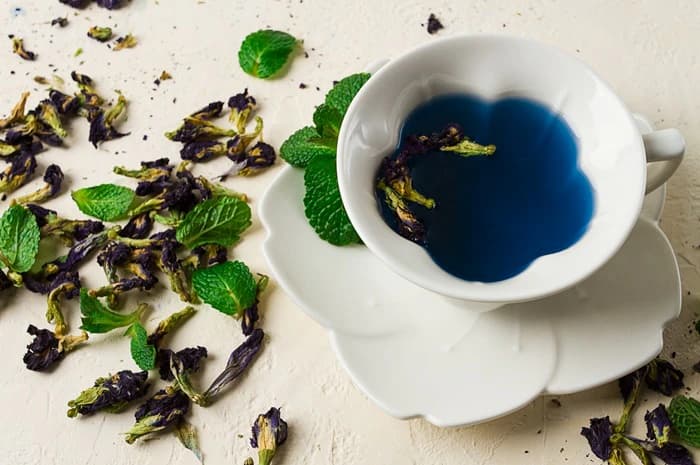
Blue tea looks fake the first time you see it. Dried flower petals go into hot water, and a couple of minutes later the cup is a deep, glowing blue. Squeeze in some lemon, and it shifts to purple right in front of you.
It's no surprise it's all over cafe menus and Instagram. But people aren't only buying it for the colour. A lot of us are cutting back on caffeine and reaching for herbal drinks instead, whether that's to sleep better, ease off coffee, or finally quit sweet fizzy drinks.
So what do blue tea benefits look like on an ordinary day? A few come from the plant itself. Some come from what the drink pushes out of your day. And some have been blown up far beyond what a cup of tea can do. I'll try to keep the three apart.
What Is Blue Tea?
In parts of India, the same flower is known as Aparajita or Shankhpushpi, and it appears in old Ayurvedic texts as a cherished cooling herb. In Thailand and Vietnam, the butterfly pea flower is steeped plain or stirred into rice dishes for its vivid color. It's no surprise that so many cultures have treasured it for generations, long before "blue tea" became a favorite on social media.
One of the most lovable blue tea benefits is how easy it is to enjoy every day. A cup brewed from dried flowers has a smooth, earthy flavor, gentler and more soothing than black tea, much like chamomile. Add a squeeze of lemon and the color shifts from deep blue to a soft purple, because the anthocyanins react to the change in pH. It's a delightful little bit of magic, and a lovely sign that the tea is rich in the antioxidants it's known for.
Nutrition Value of Blue Tea
A plain cup is very light. The numbers shift with how strong you brew it and what you stir in, but an unsweetened cup looks roughly like this:
Nobody drinks it for the calories. The interest is in the plant compounds, which sit behind most of the blue pea tea benefits you'll see online. And of course sugar, honey, or milk changes the table above.
Blue Tea Benefits
Here's what a regular cup can reasonably do. Some points come from the plant's natural compounds. Others are just practical, everyday effects.
1. Provides Antioxidant Plant Compounds
The antioxidant content is probably the best-known of all the blue tea benefits. The petals are packed with anthocyanins and other flavonoids, which may help protect your body against oxidative stress. That's what happens when free radicals outnumber your body's own defences, and over the years it can damage cells. Blue tea won't cure or treat anything. Still, antioxidant-rich foods and drinks can play a small supporting part in a balanced diet. It's also why so many people go looking for butterfly pea flower tea benefits. Keep your expectations sensible, though. One cup is a gentle extra, not a health fix.
2. May Help Support Healthy Blood Sugar
Some people believe compounds in the butterfly pea flower may help support healthy blood glucose levels after meals, possibly by slowing how quickly sugar is absorbed. Among all the blue tea plant benefits people talk about, this is one of the most exciting. A daily cup is a gentle, enjoyable way to add this beautiful flower to your routine. Results vary from person to person, so think of your tea as a pleasant bonus rather than a guarantee.
3. Helps You Stay Hydrated Without Caffeine
Blue tea is mostly water, so every cup counts toward your daily fluids and keeps you refreshed. It's also naturally caffeine-free, which is wonderful if you're sensitive to caffeine or trying to cut down.
Unlike coffee, black tea, or green tea, blue tea won't leave you jittery or wide awake at midnight, so you can enjoy it any time of day, even in the evening. Sip it hot on a cozy winter morning or chilled on a warm summer afternoon.
For the best of the blue pea tea benefits, keep it light and lightly sweetened, or unsweetened if you can. That way you get a refreshing, hydrating herbal drink that's easy to enjoy all day.
4. May Have a Role in Supporting Skin Health
Blue tea is a lovely addition to a skin-friendly routine, thanks to its rich antioxidants. Oxidative stress is one of the factors behind skin ageing, so enjoying plenty of antioxidant-rich plants can be a great way to support your skin as part of a healthy lifestyle.
Skin loves consistency, and a daily cup of blue tea is an easy, relaxing habit that fits right in with good sleep, sun protection, plenty of water, and a routine you enjoy.
So how do the butterfly pea flower tea benefits show up for your skin? As a soothing, colorful ritual that supports your glow from the inside, one comforting cup at a time.
5. Reduce Stress
One of the most loved blue tea benefits is how beautifully it helps you slow down: a warm cup in your hands, a gentle floral aroma, and a few quiet minutes are often all it takes to feel your shoulders drop after a busy day. The calming reputation behind the blue tea plant benefits is a big reason people turn to it in the evening, and because it's naturally caffeine-free, it's easy to enjoy at night in place of coffee or strong tea, helping you unwind and get ready for a restful sleep.
6. Weight Loss
If you've scrolled through "slimming tea" posts lately, blue tea has probably popped up, and it's easy to see why. It's naturally low in calories and caffeine-free, which makes it a light, refreshing choice any time of day.
Swap one sugary soda, packaged juice, or extra-sweet milky coffee for a cup of blue tea, and you cut those calories without giving up a drink you enjoy. Keep that up for a few weeks, and the small savings add up. That's one of the most practical blue pea tea benefits: a flavorful, colorful drink that fits a healthier routine.
When Is the Best Time to Drink Blue Tea?
Whenever you feel like it. There's no magic hour. Here's how it tends to fit into a normal day.
Morning: If coffee isn't your thing, or you want a softer start, a warm cup works. It's light and takes about two minutes.
Between meals: You know that mid-afternoon craving? A cup of blue tea, hot or iced, gives you something to sip, keeps you hydrated, and helps you skip the sugary pick-me-up.
After meals: Many people have a cup after lunch or dinner. It fits into a routine you already have, and it's a decent way to end a meal without reaching straight for dessert.
Evening: It's naturally caffeine-free, so it's a comfortable choice at night, when most other teas would keep you awake.
How Much Blue Tea Can You Drink a Day?
There's no official, proven daily amount. For most healthy adults, one to two cups feels about right. If you've never had it, start with one cup and see how you feel. And skip the "more is better" idea. Extra cups won't bring you more blue tea benefits.
Noticeable Difference of Drinking Blue Tea Regularly
So what actually changes when you drink it daily? Mostly it's about what the tea replaces, not the tea itself.
You'll probably drink more fluids through the day without trying.
You might reach for sugary or caffeinated drinks less often, which can help your sleep and your calorie count.
You may end up with a small evening ritual you look forward to.
Any antioxidant or blood sugar effect is likely small, so don't expect to feel it.
You'll also run into bigger claims, like blue tea being a blood purification medicine or a quick liver detox. It's neither. Your liver and kidneys filter and clear waste around the clock, and no herbal tea can take over that job or replace medical treatment.
So treat it as a pleasant habit, not a cleanse. Balanced meals, enough sleep, and some regular movement will do far more than any single drink.
Blue Tea Potential Side Effects and Precautions
For most people, blue tea is gentle in normal amounts. It isn't for everyone, though, so keep these in mind.
Digestive discomfort or nausea: A few people get an upset stomach. Bloating, mild nausea, sometimes loose stools. It usually shows up after several cups.
Allergies and individual sensitivity: If your body doesn't get along with the butterfly pea flower or related plants, don't push it. Itching, a rash, or any swelling means you should stop, and you shouldn't try again.
Medications: Herbal compounds can sometimes interact with medicines. If you take regular medication, especially for diabetes or blood pressure, check with your doctor before making it a habit.
Pregnancy and breastfeeding: There isn't enough safety information, so talk to a healthcare professional first.
Existing health conditions: If you have a medical condition or surgery coming up, get advice for your situation before you start.
Adding Blue Tea to Your Routine
You don't need a big plan. A few small habits are enough:
Drink it plain, so you're not adding sugar you don't need.
Have it chilled instead of sugary cold drinks, especially on a hot day.
Make it your evening cup when you want to avoid caffeine.
Add a squeeze of lemon instead of sweetener, and watch the colour change.
Treat it as part of a balanced diet, not a quick health fix.
The blue tea plant benefits are genuinely interesting, but the drink works best as a simple, enjoyable part of your day. It isn't magic. It's just a better swap for drinks that don't do much for you.
The Bottom Line
Blue tea is a joy to bring into your day. It's vibrant, caffeine-free, and refreshing, and it suits every moment, from a gentle morning start to an iced afternoon treat to a cozy cup before bed. The butterfly pea flower tea benefits are easiest to enjoy when it becomes part of your day. A cup here and there keeps you drinking more water, gives you a few antioxidants along the way, and makes that sugary soda or extra coffee much easier to skip. Pair it with regular meals, a good night's sleep, and a bit of movement, and it fits right into a healthier routine. So put the kettle on, squeeze in some lemon, and watch your cup turn from blue to purple. It can be added to your daily routine very easily.
FAQ
What are the benefits of drinking blue tea regularly?
Blue tea gives you a hydrating, caffeine-free drink packed with antioxidant plant compounds, and it makes swapping out sugary drinks much easier.
What happens if you drink blue tea every day?
Most people simply drink more fluids, cut back on sugary or caffeinated drinks, and end up with a relaxing little daily ritual.
How long does it take to notice any benefits of blue tea?
There's no set timeline. Habit changes like better hydration can show up in a couple of weeks, while any antioxidant effects are subtle and build up quietly over time.
Is blue tea safe to drink daily?
For most healthy adults, one to two cups a day is generally fine. If you take medication or have a health condition, a quick check with your doctor is a good idea.
What is the best time to drink blue tea?
Whenever you enjoy it most. Since it's caffeine-free, it works just as well as a gentle morning cup as it does after dinner or before bed.
Is blue tea naturally caffeine-free?
Yes, it's an herbal tea made from flowers, so it has no caffeine and won't leave you jittery or keep you up at night.
Does blue tea actually help with weight loss?
Not on its own, but it's low in calories, so swapping it in for sugary drinks can make a real difference over time.
Can blue tea help with stress and relaxation?
A warm, caffeine-free cup is a lovely way to slow down, and many people find the ritual itself helps them unwind.
Are blue tea and butterfly pea flower tea the same thing?
Yes, they're the same drink. Blue tea is just the popular name for tea brewed from dried butterfly pea flowers.
Can drinking too much blue tea cause side effects?
Very large amounts may cause mild stomach upset or nausea in some people, so enjoying it in moderation is the way to go.
Share this article: