
Foods Rich in Biotin for Healthy Hair, Skin, and Nails
2026-03-14 • 4 min
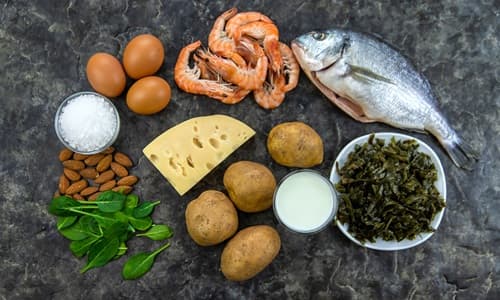
The beauty and wellness trend has made one term very popular: Biotin. From edible supplements to shampoos, every fancy product claims to show magical results because of biotin. Needless to say, it is genuinely important. It builds your energy, hair, skin, nails, and more.
However, biotin is only effective when it is a part of your routine throughout the day, not just thrice a week. Only the consistent consumption of foods rich in biotin, along with overall balanced nutrition, supports a healthy growth cycle.
But what exactly is it? How does it work? Why does it matter? How much do you typically need? What happens if you don’t? What are the best biotin-rich foods? How to make it a part of a broader wellness system. Let’s find out.
What is Biotin?
Vitamin B7, commonly known as Biotin, is a water-soluble vitamin that helps enzymes convert food into usable energy. It metabolizes fatty acids, amino acids, proteins, carbohydrates, and glucose. Altogether, this process is essential for maintaining healthy skin, hair, and nails.
They require constant building and rebuilding, as they are among the fastest-growing tissues in the body. This demand is met via the biotin metabolic process. That’s why it is recommended to choose biotin rich foods for hair growth rather than purchasing a vitamin-based shampoo.
Benefits of Biotin
Let’s just say biotin-rich foods help your body to do essential work consistently. Here are the details:
· Healthy Hair: Biotin-rich foods for hair support stronger hair growth, reduce breakage, improve thickness, and boost keratin production.
· Nail Health: It improves nail firmness, strength, and thickness. Also, the vitamin helps prevent nail splitting by strengthening brittle nails.
· Skin Health: By supporting cellular metabolism, biotin helps with skin hydration, toned texture, and reduces the occurrence of acne and blackheads.
· Improved Metabolism: Foods rich in biotin fuel the body, aiding in weight management, maintaining blood sugar levels, and preventing fatigue.
· Nerve Health: Biotin is also associated with nerve repair, protection of nerve fibers, support of brain function, and management of neurodegenerative conditions.
How Much Biotin Do You Need
Biotin can be found in many common foods and is also produced by gut bacteria, making its deficiency extremely rare. But how much biotin does our body exactly need?
According to the National Institutes of Health, the exact biotin requirement varies by age and individual lifestyle factors. However, here are the typical daily intake targets:
· Kids: 20 micrograms per day
· Teenagers: 25 micrograms per day
· Adults (18+): 30 micrograms per day
· Pregnant and breastfeeding women: 35 micrograms per day
Biotin Rich Foods
As a matter of fact, you don’t need to dig deep in the market as foods rich in biotin are commonly available. In case you’re wondering, biotin-rich foods vegetarian options are also widely accessible. Accordingly, here are the options.
Legumes
If you are looking for biotin-rich foods, vegetarian, this is your core group: dals, chickpeas, rajma, soybeans, and lentils. In addition, they are rich in protein, fiber, iron, zinc, and micronutrients. They are the most realistic option if you are seeking a long-term route to biotin rich foods for hair growth.
Nuts and Seeds
Nuts and seeds like almonds, peanuts, walnuts, cashews, sunflower seeds, and pumpkin seeds are an easy way to add biotin-rich foods without much effort. You can enjoy them raw, toss them into salads, or mix them into dishes for extra nutrition. In addition to being biotin-rich, they help manage cholesterol, blood pressure, and blood sugar levels.
Egg Yolk
One of the most effective biotin-rich foods for hair growth is eggs, especially the yolk. It contains high-quality protein, vitamins, and minerals, all of which are essential for healthy hair. However, always remember to cook eggs in the form of omelettes, bhurji, half-fry, or boiled eggs. The reason being raw egg white contains avidin, which can interfere with biotin absorption.
Mushrooms
Another biotin rich foods vegetarian are mushrooms. This plant-based source can fit easily into Indian meals, omelettes, soup, salads, pasta, or even sauce. Apart from biotin, they bring antioxidants, essential vitamins, and minerals. Other than cosmetic benefits, mushrooms support immunity, a healthy gut, neurotransmitter function, weight management, and more.
Sweet Potato
Sweet potatoes are one of the best vegetarian sources of biotin. Not only do they support biotin production, but they also bring beta-carotene, an antioxidant your body converts to vitamin A, crucial for skin and scalp health. It can be consumed directly by roasting or boiling, and can be enjoyed via chaat, mashed side dish, or as part of a salad.
Avocado
Avocados are highly nutrient-dense fruits. Along with biotin, they are a good source of monounsaturated fats, folate, and potassium. Together, they benefit skin health, heart health, gut health, blood sugar, and weight management. You can eat them raw, toss them into salads, make smoothies, toasts, guacamole, or add into any dish of your choice.
Green Vegetables
Green vegetables, especially the leafy greens, are often associated with healthy skin, strong hair, and other cosmetic benefits. Not all of them are biotin rich food, but spinach, kale, swiss chard, and broccoli provide significant amounts of biotin. On the other hand, the rest of the leafy greens are essential for overall micronutrient status. After all, skin, hair, and nails also require iron, folate, vitamin C, and more. They are easy to add to salads, sandwiches, legumes, smoothies, and more.
Fish
Fatty fish like salmon are a trusted source of biotin-rich foods. Alongside, they pack omega-3 fats, protein, vitamins, and minerals that support skin hydration and manage inflammation that helps with skin redness. Additionally, it benefits blood pressure, cholesterol levels, cognitive function, bone health, and immune support. Salmon can be grilled, baked, steamed, pan-fried and pairs well with curries, rice, salads, wraps, and more.
Supporting Tips For Healthy Hair, Skin, and Nails
Food is always the pillar for a healthy life, but supplements can act as a building block or added support to cover your nutritional needs. They help especially if you have dietary restrictions, certain medical conditions, inconsistent eating, hormone issues, less sun exposure, low B12, or confirmed deficiencies. Here are some helpful tips that can contribute to a healthier-looking skin, hair, and nails if followed well.
Biotin Supplements
If you think your diet is restricted or making changes is hard, a biotin gummies supplement may help. They are often infused with essential vitamins that promote glowing skin, strong nails, and healthy hair. Not to forget, gummies are more convenient and consistent to stick to.
Multivitamins
Only the best multivitamin for women in India can cover the beautifying needs. Accordingly, it is better to look for something that is missing in your diet. Get a multivitamin that has high nutritional value, a clean label, and herbal consumption to avoid any possible side effects.
Physical Activity
Your skin and hair can not improve with a sedentary lifestyle. Even with a healthy diet, you need a light physical activity like yoga or swimming. It boosts blood circulation, delivering more oxygen and nutrients to tissues. You might feel resistance at the beginning, but the best gel for shoulder pain, pain relief gel for neck, or overall pain killer tablet can be a great help. They will help with muscle soreness, posture strain, and tightness to make the workout easy for you.
Quality Sleep
The term ‘beauty sleep’ is not irrational. Your sleep is your body’s recovery time. For skin, nails, and hair, quality sleep balances hormones, boosts blood flow, produces collagen, strengthens the moisture barrier, and enhances nutrient delivery to hair follicles and nail beds. Ultimately, it reduces wrinkles, acne, and dark circles, and boosts hydration that tightens the skin.
FAQs
1. What are the best biotin-rich foods vegetarian options?
The top op biotin-rich foods, vegetarian food choices include legumes, nuts, seeds, mushrooms, sweet potatoes, avocado, and leafy greens.
2. How long does it take to see biotin results in skin, hair, or nails?
You can notice nail improvement in a couple of weeks. However, visible effects on skin and hair may take longer, probably over 8 to 12 weeks of consistent nutrition.
3. How much biotin do I need daily, and can food cover it?
For most adults, the daily targets should be around 30 mcg. However, for pregnant and breastfeeding women, the requirement is a little higher.
4. What happens if you don’t get enough biotin?
Low biotin intake often shows up as hair thinning, brittle nails, skin issues, and persistent fatigue. Although deficiency is rare, restrictive diets can increase the risk.
5. Which food has the highest biotin content?
Overall, beef liver has the highest biotin content, accounting for 30.8 mcg. For vegetarians, yeast and sunflower seeds contain high biotin levels.
Share this article: