
Best Yoga Poses for Back Pain Relief and Better Flexibility
2026-05-19 • 4 min
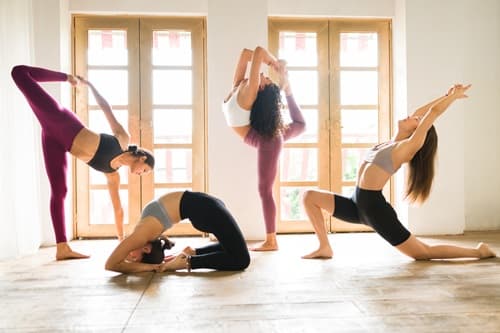
Back pain is one of the most prevalent and economically costly health conditions in the modern world — a leading cause of missed workdays, disrupted sleep, reduced quality of life, and long-term disability across virtually every population group. The overwhelming majority of cases are not caused by serious structural damage or irreversible injury. They stem from a predictable and largely preventable combination of factors: weak core and glute muscles that fail to adequately support the lumbar spine, chronically tight hip flexors and hamstrings that alter pelvic alignment and increase compressive load, habitual poor posture that accumulates across hours of daily sitting, and prolonged physical inactivity that accelerates deconditioning. These root causes are all addressable through targeted movement — and yoga, when applied with intention and consistency, addresses all of them simultaneously. It strengthens the muscles that protect and stabilise the spine, lengthens the tissues that pull it out of optimal alignment, builds the body awareness that prevents re-injury over time, and progressively improves the flexibility that reduces mechanical strain across the lower back and hips. Unlike passive rest — which is the instinct of most people when pain appears — yoga has been consistently shown in multiple clinical trials and systematic reviews to produce significantly better long-term outcomes for chronic low back pain than rest alone.
Why Yoga Is an Evidence-Based Approach to Back Pain
Multiple systematic reviews and randomised controlled trials now rate yoga as an effective first-line intervention for chronic non-specific low back pain — on par with or superior to physiotherapy-guided exercise for many common presentations. A 2017 Cochrane review analysing data from multiple high-quality trials concluded that yoga produces small-to-moderate improvements in back pain and function with a low risk of serious adverse events. The mechanisms are straightforward: yoga improves core endurance, posterior chain strength, spinal mobility, and hip flexibility — the four physical capacities most directly linked to low back pain development and recovery. The mindfulness and breathing components of yoga also reduce pain catastrophising and improve pain tolerance through their effects on the autonomic nervous system and cortisol regulation, which is particularly relevant in chronic pain presentations where psychological factors significantly influence the pain experience.
The Best Yoga Poses for Back Pain
Cat-Cow Pose
Cat-cow mobilises the entire spinal column through flexion and extension — the two primary directions the spine is designed to move but rarely does during a typical sedentary workday. Ten slow, controlled rounds performed first thing in the morning systematically reduce overnight spinal stiffness and gradually increase range of motion across all spinal segments. The critical element is coordinating movement with breathing: inhale as you arch the spine downward into the cow position, exhale as you round it upward into the cat position. The breath coordination is as important as the physical movement for triggering the parasympathetic nervous system response that allows chronically tense spinal muscles to genuinely release rather than just being mechanically stretched against ongoing muscular resistance.
Child's Pose
Child's pose creates passive decompression of the lumbar spine — it elongates the lower back under the gentle load of bodyweight, releases the hip flexors and glutes, and allows the sacrum and paraspinal muscles to relax progressively under gravity's influence. It is particularly effective for the chronic low back tightness that accumulates across a full workday of sitting and is also one of the safest poses for people with disc-related back issues, where active movement is contraindicated but gentle decompression is beneficial. Hold for a minimum of 45 to 90 seconds with deliberate slow breathing, focusing on allowing bodyweight to deepen the pose naturally rather than muscling into the stretch. Child's pose also functions as an ideal rest and recovery pose within any yoga session.
Downward Facing Dog
Downward facing dog produces two significant effects simultaneously that make it particularly valuable for back pain: it tractions the spine by creating gentle axial lengthening under load, creating space between vertebrae that are chronically compressed by poor posture and gravity; and it progressively lengthens the hamstrings, which are a frequently underappreciated contributor to low back pain through their influence on pelvic tilt. Chronically tight hamstrings pull the pelvis into a posterior tilt that flattens the lumbar curve and increases compressive forces on the lumbar discs. Generously bending the knees in downward dog when hamstrings are tight allows the spine to lengthen fully even before posterior chain flexibility has developed — prioritise the spinal length and decompression effect over achieving straight legs in the initial months of practice.
Bridge Pose
Bridge pose directly targets the glutes, hamstrings, and lumbar erectors — the posterior chain muscles that progressively switch off and weaken with extended periods of sitting and are directly implicated in lumbar spine instability and low back pain. Weak glutes shift compressive load from the hips onto the lumbar spine, contributing to both disc compression and the muscle guarding patterns that sustain chronic back pain. Bridge pose activates and strengthens these muscles through a controlled hip extension movement that is safe for most back presentations. Hold at the peak of the movement for a full breath cycle before lowering with deliberate eccentric control. Performed three to five times per week, bridge pose builds the structural posterior chain strength that prevents pain from recurring rather than simply providing temporary relief during acute episodes.
Supine Spinal Twist and Pigeon Pose
The supine spinal twist gently mobilises the thoracic and lumbar spine in rotation — a movement plane that most adults progressively lose through habitual forward-only movement patterns. It releases the paraspinal muscles running the length of the spine and the quadratus lumborum (QL), one of the most common sources of unilateral low back pain and stiffness. Hold each side for 30 to 60 seconds, breathing into any areas of tightness. Pigeon pose addresses the piriformis and the deep external hip rotators — muscles that, when chronically tight or hypertonic, can compress the sciatic nerve and generate pain that radiates from the gluteal region down through the hip and into the leg. For people who sit for extended periods, the piriformis is frequently the primary perpetuating factor in sciatic and hip-related back pain. Hold pigeon for 60 to 90 seconds per side, using a folded blanket under the hip to allow full relaxation without compensating with other muscle groups.
Cobra Pose
Cobra pose is the structural antidote to the dominant posture pattern of modern life: forward spinal flexion. For anyone spending the majority of their day seated at a desk, looking at a phone, or driving — which in practice means most working adults — the anterior spinal structures are chronically shortened while the posterior structures are chronically lengthened and weakened. Cobra reverses this pattern by extending the spine into the opposite direction, relieving compression on the anterior spinal discs, and activating the erector spinae muscles along the spine that sustained sitting progressively deactivates. Even a very gentle version with elbows bent and the chest barely elevated is effective and appropriate for beginners or those with disc-related issues. The rule is simple: extend only as far as is comfortable with a sustained stretch sensation — stop immediately at any sharp or radiating pain.
Yoga Pose Reference Guide for Back Pain
Frequency, Progression, and Managing Expectations
For active back pain management, three to five yoga sessions per week is the clinically supported target range. Individual sessions do not need to be lengthy — 15 to 25 minutes of focused work through the poses outlined above, with adequate hold times, produces meaningful cumulative results within three to four weeks of consistent practice. The most common mistake people make with yoga for back pain is stopping when acute pain subsides, before the underlying strength and flexibility improvements are fully consolidated. Pain relief precedes structural improvement — the muscles and connective tissues that actually protect the spine require months of consistent training to rebuild meaningfully. A reduced maintenance practice of two to three sessions per week, maintained after pain resolves, dramatically reduces recurrence rates compared to stopping yoga once symptomatic improvement is achieved.
Supporting Recovery Beyond the Yoga Mat
Yoga produces its best outcomes when integrated into a broader, holistic recovery approach rather than used as a single isolated intervention. Many people managing chronic or recurrent back pain find that incorporating a targeted wellness product — such as a topical pain relief gel, warming muscle rub, or recovery aid — after yoga sessions extends the relief achieved during practice, particularly in the first weeks before strength and flexibility gains have consolidated. Applying a topical wellness product immediately after practice when muscles are warm, circulation is elevated, and tissues are most receptive typically produces better local relief than cold application.
Anti-inflammatory nutrition — emphasising whole foods, oily fish, leafy greens, and limiting processed foods — supports the tissue recovery and inflammation management that yoga initiates. Adequate quality sleep, during which most tissue repair and adaptation occur, and active stress management that keeps cortisol from chronically elevating and sensitising pain perception, both contribute meaningfully to how quickly and completely the spine responds to consistent yoga practice. None of these supporting elements require significant time investment or expense — but their combined effect alongside consistent yoga practice is substantially greater than any single intervention achieves in isolation.
Frequently Asked Questions
What are the best yoga poses for back pain relief?
The most effective yoga poses for back pain relief include cat-cow for spinal mobility, child's pose for lumbar decompression, downward facing dog for hamstring and spinal lengthening, bridge pose for posterior chain strengthening, supine spinal twist for paraspinal release and rotational mobility, pigeon pose for piriformis and sciatic relief, and cobra for lumbar extension and disc decompression. Together these poses address the full range of physical factors that drive most non-traumatic back pain.
Can yoga help reduce lower back pain naturally?
Yes — and this is well-established in clinical evidence. Multiple systematic reviews and randomised controlled trials demonstrate that yoga consistently outperforms passive rest and produces outcomes comparable to physiotherapy-guided exercise for chronic low back pain. It is now included in evidence-based clinical treatment guidelines for lumbar pain. The combination of strengthening, flexibility, and body awareness addresses root causes rather than symptoms alone, producing more durable results than pain-relief-only interventions.
Which yoga pose is best for improving flexibility?
Pigeon pose produces the greatest gains in hip external rotator and piriformis flexibility. Downward facing dog most effectively develops hamstring and calf flexibility alongside spinal mobility. For overall spinal flexibility across all movement planes, cat-cow and supine spinal twist are most comprehensive. Flexibility responds specifically to consistent, sustained holds — daily practice of 30 to 90 second holds produces substantially better flexibility gains than infrequent, longer sessions.
Is yoga safe for people with chronic back pain?
For the vast majority of people with chronic musculoskeletal or postural back pain, yoga is not only safe but actively beneficial. Those with acute disc herniations or prolapse, osteoporosis, recent spinal fractures, or post-surgical conditions should consult their doctor before beginning and work with an instructor experienced in therapeutic yoga who can provide appropriate modifications. Sharp, shooting, or radiating pain during any pose is an immediate stop signal — distinguishing between productive stretch discomfort and actual pain signals is an important skill developed with practice.
How often should you practice yoga for back pain relief?
Three to five sessions per week of 15 to 25 minutes each is the optimal frequency for active back pain management. Consistency over duration is the key variable — regular short sessions consistently outperform infrequent long ones for both pain reduction and flexibility development. Most people notice meaningful symptomatic improvement within three to six weeks of regular practice, with underlying structural improvements in strength and flexibility continuing to develop over three to six months.
What are the common causes of back pain that yoga can help with?
Yoga is most effective for back pain caused by core and glute muscle weakness, hip flexor and hamstring tightness, habitual forward-flexed posture, sedentary lifestyle and deconditioning, limited spinal mobility and rotational range, and piriformis tightness contributing to sciatic nerve irritation. These are the most prevalent causes of non-traumatic back pain in working-age adults and respond directly and predictably to the combination of strengthening, lengthening, and spinal mobilisation that yoga provides.
Which beginner-friendly yoga poses help relieve back pain?
Cat-cow, child's pose, supine spinal twist, and bridge pose are the ideal starting poses for beginners with back pain. All four require no prior flexibility or yoga experience, can be performed safely at home on a standard yoga mat, carry minimal injury risk when approached with attention to body signals, and collectively address the most common physical drivers of low back pain. Beginning with these four and progressively adding downward dog, cobra, and pigeon as confidence and flexibility develop is a sensible and safe progression for most people.
Key Takeaways
• Most non-traumatic back pain is caused by muscle weakness, hip tightness, poor posture, and inactivity — all of which yoga directly and simultaneously addresses.
• Yoga is supported by multiple clinical trials and systematic reviews as an effective first-line intervention for chronic low back pain, on par with physiotherapy for many presentations.
• Cat-cow and child's pose provide spinal mobility and lumbar decompression and are the most accessible starting points for any level.
• Downward dog and pigeon pose address hamstring tightness and piriformis compression — two of the most common overlooked contributors to chronic back and sciatic pain.
• Bridge pose builds the posterior chain strength that structurally prevents back pain from recurring rather than just relieving current symptoms.
• Three to five sessions of 15 to 25 minutes per week, maintained consistently, produces meaningful pain reduction within three to four weeks and structural improvements over months.
• Yoga works best as part of a broader recovery approach including anti-inflammatory nutrition, quality sleep, stress management, and targeted supportive wellness products.
Share this article: