
Why Your Weight Loss Smoothie Isn't Working: 11 Common Mistakes Dietitians See
2026-08-07 • 5 min
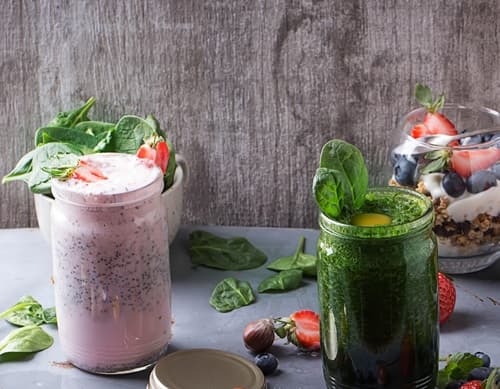
Three weeks of smoothies. Scale hasn't moved. You're confused because you've genuinely been trying. What's probably happening is that you've been drinking 500 to 700 calories of fruit sugar for breakfast and filing it under 'being healthy.' The smoothie didn't lie to you. The idea that smoothies are automatically good for weight loss did.
Smoothies can absolutely work. But they require the same thing every other meal requires: the right amounts of the right things. Blend wrong, and you've made a dessert that's slightly harder to chew.
These are the mistakes that come up constantly when dietitians actually look at what clients are putting in the blender.
Too Much Fruit
Two cups of mango. A full banana. Some pineapple. Apple juice as the base because you ran out of milk. That combination alone sits somewhere around 70 grams of sugar before anything else goes in. The fruit is real fruit, yes. The sugar is still sugar.
One piece of fruit per smoothie. That's the rough ceiling for weight loss. Half a banana or a small handful of frozen berries, not both, not three things. Berries are the better call because they're lower in sugar and higher in fibre than tropical options. Mango and pineapple taste incredible in smoothies and they will reliably undermine the calorie goal.
No Protein and Wondering Why You're Hungry at 10am
A fruit and spinach smoothie with no protein source digests in about 60 to 90 minutes. Then you're hungry. Then you eat something. Then the smoothie's calories were additive rather than replacing anything. This is how people drink smoothies for weeks and maintain or gain weight while feeling like they're doing everything right.
Twenty grams of protein minimum if the smoothie is replacing a meal. Greek yogurt works well. Plain protein powder works. Hemp seeds, silken tofu, or cottage cheese blended in all do the job. Less than 20 grams and it's a snack, not a meal, and the portion size and calorie count should reflect that.
Juice as a Base
Orange juice as a smoothie base adds 110 calories and 21 grams of sugar. Before the fruit goes in. Before the yogurt. Before anything. This is one of the most consistent things that shows up when dietitians look at food diaries from clients who are confused about why their 'healthy' routine isn't working.
Water. Unsweetened almond milk. Unsweetened oat milk. Plain coconut water in small amounts if you want something with a bit more flavour. Fruit juice as a blender base isn't a shortcut to flavour, it's a shortcut to a smoothie that has more sugar than a soft drink.
Stacking Every Healthy Thing You Own
Nut butter, a tablespoon. Coconut oil, a tablespoon. Chia seeds, a tablespoon. Hemp seeds, a tablespoon. Avocado, half. Flaxseed, a tablespoon. All of these are genuinely good foods. Together in one blender they're four hundred calories of fat before the fruit, protein, or base goes in.
Healthy fats are calorie-dense. That doesn't make them bad. It makes them something you need to actually account for rather than adding freely because each individual ingredient sounds nutritious. Pick one or two fat sources per smoothie, not six.
No Fibre
Fibre is what makes food filling. Most smoothie recipes are low in it because everything gets blended and the fibre structure changes mechanically. It's still there technically but it works differently than whole food fibre.
Chia seeds solve this fast. A tablespoon adds five grams of fibre and almost no taste. Oats blended in work well and add creaminess. Ground flaxseed does the job. A smoothie for weight loss that keeps you satisfied for three hours has fibre in it. One that doesn't, won't keep you full.
Drinking It in 90 Seconds
The brain takes about 20 minutes to register that the stomach has received food. Drink a smoothie in a minute and a half and the satiety signal never catches up before the glass is empty. You finish it, don't feel particularly full, and start looking for something to eat. Slow down. Eat it with a spoon as a thicker bowl if that helps. The food is the same. The fullness response is different.
The Post-Workout Reward Trap
A moderate 45-minute workout burns somewhere between 250 and 350 calories for most people. A nut butter and banana smoothie can hit 500 or 600. The logic of earning a big smoothie through exercise doesn't hold once you do the actual numbers. If post-workout recovery matters to you, a protein-focused smoothie with less fruit and fat makes more sense than a reward-sized one that wipes out whatever deficit you created.
Sweetener on Top of Fruit
Honey. Agave. Dates blended in. Maple syrup. Added to smoothies that already have two pieces of fruit and flavoured protein powder in them. Taste the smoothie first. If it needs sweetener, something is off in the base recipe. A pinch of cinnamon or a small amount of vanilla extract gives perceived sweetness without actual sugar.
Zero Fat
The opposite problem. No fat at all means the smoothie digests faster, some fat-soluble nutrients absorb less efficiently, and the satiety window gets shorter. A tablespoon of nut butter or a quarter of an avocado is enough to meaningfully change how long the smoothie keeps you satisfied. The goal isn't fat-free, it's fat-appropriate.
Wrong Timing
A high-fruit smoothie first thing in the morning on a completely empty stomach causes a faster blood sugar spike than the same smoothie eaten mid-morning after a black coffee. Late evening smoothies with significant fruit content add calories at a time when most people's activity is done for the day. Neither is a catastrophic error. But if hunger management is already not working, timing is worth experimenting with before assuming the recipe is the problem.
Ignoring the Rest of the Day
The smoothie is one meal. People sometimes treat a carefully made morning smoothie as a reason to be less careful about everything that follows. One good meal in an otherwise inconsistent day doesn't move the dial. The smoothie is a habit, not a solution. Weight loss happens when the whole day adds up correctly over weeks and months, not when one meal is optimised.
Some people complement a smoothie-focused routine with things that support what the blender can't fully cover. Vitamin c gummies for skin fill in any gaps on days when fruit variety is limited, since vitamin C intake from a single-fruit smoothie can be inconsistent. Checking a broader wellness products list to see where your actual nutritional gaps sit is more useful than assuming a daily smoothie covers everything.
Frequently Asked Questions
Why isn't my weight loss smoothie working?
Probably calories. The most common issue is a combination of too much fruit, a high-calorie liquid base, and not enough protein to sustain fullness. The smoothie isn't the problem. What's going in it is. Track it once to see the actual numbers, not just the ingredients. Most people who do this are genuinely surprised. A smoothie that felt light and virtuous turns out to be 650 calories. That's not a flaw in the person, it's a flaw in the assumption that blended food is automatically a diet food. It isn't. Blending changes texture, not calorie content. A banana has the same calories whether you eat it whole or throw it in a blender with four other things. The food doesn't know it's in a smoothie.
Why do I feel hungry after a smoothie?
Not enough protein, not enough fibre, or both. A smoothie that's mostly fruit and liquid digests in 60 to 90 minutes. Add at least 20 grams of protein and five grams of fibre and the fullness window extends to two or three hours. Greek yogurt and chia seeds is the easiest combo that gets you there.
Can smoothies cause weight gain?
Easily. A smoothie with full-fat coconut milk, two bananas, three tablespoons of nut butter, dates, and a scoop of protein powder can sit at 800 calories. The ingredients being individually nutritious doesn't make the total irrelevant. Calories in a glass count exactly the same as calories on a plate.
Are homemade smoothies too high in calories?
They don't have to be. A smoothie with unsweetened almond milk, frozen berries, half a banana, and a scoop of protein powder is under 300 calories with 25 grams of protein. That's a solid meal replacement. The problem is when homemade becomes an excuse to add every healthy-sounding thing in the fridge without checking what it actually totals.
When should I drink a weight loss smoothie?
Mid-morning or as a lunch replacement tends to work better than first thing on an empty stomach. Early morning with no food prior causes a faster blood sugar response from the fruit. Late evening adds calories when the day's activity is done. Experiment with the timing if hunger management is the issue.
Which ingredients should I avoid in weight loss smoothies?
Fruit juice as a base. Multiple servings of tropical fruit. Added sweeteners on top of already-sweet ingredients. Piling four or five fat sources into one drink. Flavoured protein powders with 20-plus grams of sugar per scoop. None of these are forbidden forever. In combination and at regular frequency they reliably prevent weight loss.
Can I replace a meal with a weight loss smoothie?
Yes, if it actually has what a meal needs. That means at least 20 grams of protein, five or more grams of fibre, a moderate amount of fat, and a calorie count that matches a meal rather than a snack. A 180-calorie smoothie is a snack. Don't treat it like a meal and wonder why you're hungry two hours later. The meal replacement smoothie needs protein, fibre, fat, and enough total calories to actually bridge the gap between meals. Without those four things, it's a flavoured drink. A perfectly nutritious flavoured drink in many cases, but not something that will keep you satisfied for three or four hours and support weight loss at the same time. The distinction is worth being honest with yourself about.
Key Takeaways
• Most smoothies fail for weight loss because of calories, not because smoothies don't work. Track what goes in at least once.
• Protein is the most important variable for satiety. Twenty grams minimum if the smoothie is replacing a meal.
• Juice as a base adds over 100 calories and 20 grams of sugar before anything else. Water or unsweetened milk instead.
• Healthy fat sources are calorie-dense. One or two per smoothie, not several piled in together.
• Fibre slows digestion. Chia seeds or ground flax are the easiest additions that actually change how long you stay full.
• Drinking speed matters more than people realise. Satiety takes 20 minutes to register. Slow down.
• A good smoothie is one meal. The rest of the day determines whether weight loss actually happens over time. That's not a knock on smoothies. It's just the scope of what any single meal can do.
Share this article: