
How Iron Supplements Help Improve Iron Levels in Women
2026-02-27 • 4 min
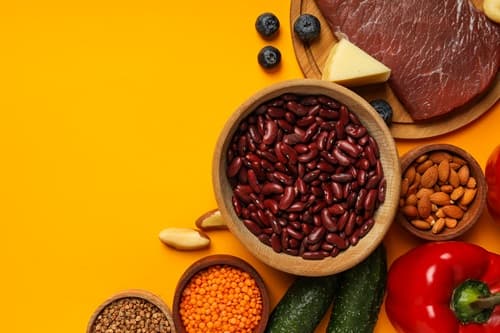
Iron deficiency is the most prevalent nutritional deficiency in the world, and women bear a disproportionate burden of its consequences — not simply because of dietary gaps but because of the unique physiological demands that menstruation, pregnancy, postpartum recovery, and the hormonal transitions of perimenopause place on the female body, creating a recurring and often significant drain on iron stores that diet alone frequently cannot replace. The symptoms of iron deficiency in women are wide-ranging and profoundly life-limiting: persistent fatigue that rest does not relieve, breathlessness after minimal exertion, inability to concentrate, poor memory, frequent infections due to impaired immune function, pale or sallow skin, brittle nails, restless legs at night, and — one of the most distressing and cosmetically significant consequences — excessive hair shedding and thinning that leaves many women feeling helpless and confused about the root cause. Understanding why women are so particularly vulnerable to iron depletion, how the best iron supplement for women works at the cellular and biochemical level to restore haemoglobin and iron stores, which forms of iron tablets for women offer the greatest bioavailability with the fewest side effects, how long supplementation takes to produce measurable results, what the best time to take iron supplements is for maximum absorption, and which complementary nutrients and lifestyle strategies amplify the effectiveness of supplementation transforms iron management from a frustrating trial-and-error process into a clear, confident, and scientifically grounded approach to restoring energy, vitality, and wellbeing for women at every life stage.
Why Women Need Iron Supplements More Than Men
The recommended daily allowance for iron in adult women aged 19 to 50 is 18 mg per day — more than double the 8 mg required by adult men of the same age. This significant disparity is not arbitrary; it reflects the compounding iron demands that are unique to the female biology across the reproductive years and beyond.
Menstruation is the primary driver of elevated iron requirements in women. The average menstrual period causes a loss of approximately 30–40 ml of blood per cycle, representing a loss of around 15–20 mg of iron — and women with heavy periods (menorrhagia) can lose three to five times this amount, creating a monthly iron deficit that even an iron-rich diet struggles to compensate for. During pregnancy, iron requirements escalate dramatically to 27 mg per day to support the rapid expansion of maternal blood volume, placental development, and foetal iron stores. Postpartum blood loss further depletes iron stores, and if breastfeeding follows, iron demands remain elevated. Women following vegetarian or vegan diets face an additional challenge: plant-based non-haem iron is absorbed at only 2–20% efficiency compared to 15–35% for haem iron from animal sources, making dietary iron sufficiency significantly harder to achieve without careful planning. All of these factors combine to make the best iron supplement for women not just a convenience but, for many, a physiological necessity.
How Iron Supplements Improve Iron Levels — The Science
Iron supplements work by directly replenishing the body's two iron pools: circulating iron bound to haemoglobin in red blood cells, and stored iron in the form of ferritin in the liver, spleen, and bone marrow. Understanding this two-pool system is essential for setting realistic expectations about supplementation outcomes.
Restoring Haemoglobin
The most immediate goal of iron supplementation is to provide the raw material needed for haemoglobin synthesis in the bone marrow. Haemoglobin — the oxygen-carrying protein in red blood cells — requires iron at its core to bind and release oxygen at tissues throughout the body. When iron stores are depleted, the bone marrow produces fewer and smaller red blood cells with reduced haemoglobin content, resulting in anaemia. Iron tablets for women provide the iron substrate needed to resume normal haemoglobin production. Most women see measurable haemoglobin increases within 2–4 weeks of starting supplementation when taken correctly and consistently.
Replenishing Ferritin Stores
Ferritin is the storage form of iron — the body's iron reserve that it draws on when dietary intake is temporarily insufficient. Ferritin levels are the most sensitive early indicator of iron status: ferritin can fall to deficient levels weeks or months before haemoglobin drops and anaemia becomes clinically apparent. This pre-anaemic iron deficiency — sometimes called iron depletion or iron insufficiency — causes identical symptoms to frank anaemia: fatigue, hair loss, poor concentration, and reduced exercise tolerance, yet is frequently missed because haemoglobin tests appear normal. Replenishing ferritin requires significantly longer supplementation than restoring haemoglobin alone — typically three to six months of consistent iron tablet use even after haemoglobin normalises.
Improving Cellular Energy Production
Beyond haemoglobin, iron is a critical component of cytochrome enzymes within the mitochondria — the organelles responsible for producing ATP, the cell's energy currency. Iron deficiency impairs mitochondrial function independently of its effect on haemoglobin, contributing to fatigue and poor physical performance even in pre-anaemic women. Supplementation restores this cellular energy pathway, which is why many women report a noticeable improvement in energy and mental clarity within the first two weeks — well before haemoglobin levels have fully normalised.
Key Benefits of Iron Supplementation for Women
Restored Energy and Reduced Fatigue
The most universally reported benefit of iron supplementation is a dramatic improvement in energy levels. By restoring both haemoglobin-mediated oxygen delivery and mitochondrial energy production, iron tablets for women address fatigue at its root cause rather than masking it. Women who have been chronically iron-deficient often describe the improvement as transformative — a return to energy levels they had forgotten were possible.
Hair Regrowth and Reduced Shedding
Hair loss is one of the most distressing and least publicly discussed consequences of iron deficiency in women. Hair follicles are among the most metabolically active structures in the body, with a high demand for iron to support the rapid cell division of the growth phase. When iron stores fall — particularly ferritin below 30 ng/mL — the body redirects iron away from non-essential functions like hair growth and toward vital organs, resulting in diffuse hair shedding (telogen effluvium). The best iron tablets for hair growth restore ferritin levels above the 70–80 ng/mL threshold considered optimal for hair follicle function, typically showing visible reduction in shedding within 8–12 weeks and new growth within 3–6 months. Pairing iron supplementation with Reset Biotin Gummies — which deliver biotin, zinc, vitamin A, vitamin C, and vitamin E specifically formulated to support hair follicle health — creates a comprehensive nutritional approach to female hair loss that addresses both the iron deficiency root cause and the follicle-level nutritional support simultaneously.
Improved Cognitive Function and Mood
Iron is a co-factor in the synthesis of dopamine, serotonin, and norepinephrine — the key neurotransmitters governing mood, motivation, focus, and executive function. Iron deficiency reduces neurotransmitter production, contributing to low mood, anxiety, poor concentration, and mental fatigue. Women with iron deficiency frequently report cognitive fog and emotional flatness that resolves significantly within weeks of effective supplementation.
Stronger Immune Function
Iron is essential for the proliferation and maturation of immune cells including lymphocytes and natural killer cells. Iron-deficient women show measurably impaired immune responses, greater susceptibility to infections, and slower recovery times. Restoring iron through supplementation directly strengthens immune defences — an often-overlooked benefit beyond the better-known energy and blood health effects.
Better Exercise Performance
Even mild iron deficiency significantly impairs aerobic exercise performance by limiting oxygen delivery to working muscles and reducing mitochondrial energy production. Women who train regularly and experience unexplained performance plateaus or excessive post-exercise fatigue should have their ferritin levels checked, as iron depletion is a common and easily correctable culprit.
Types of Iron Supplements — Which Is Best for Women?
Not all iron supplements are created equal. The form of iron significantly affects both absorption and tolerability two factors that ultimately determine whether supplementation succeeds or fails in practice.
Ferrous Bisglycinate (Chelated Iron)
Ferrous bisglycinate — iron chelated to two glycine amino acid molecules, structurally analogous to magnesium bisglycinate — is widely considered the best iron supplement for women with sensitive digestive systems. Its chelation allows absorption via peptide transport channels in the small intestine, bypassing the competitive absorption pathways where iron, calcium, and zinc interfere with each other. Studies show ferrous bisglycinate achieves comparable or superior iron repletion at lower elemental doses than ferrous sulphate, with dramatically fewer gastrointestinal side effects. This makes it ideal for long-term use, making it the best iron tablets for women who need to supplement consistently over months.
Ferrous Sulphate
Ferrous sulphate is the most widely prescribed and lowest-cost iron supplement globally. It has a good bioavailability profile and effectively raises haemoglobin and ferritin when taken correctly. However, it is associated with a high rate of gastrointestinal side effects — constipation, nausea, stomach cramps, and dark stools — that frequently lead to non-compliance. For short-term, medically supervised use, ferrous sulphate remains effective, but the side effect burden makes it suboptimal for the extended supplementation most women require.
Ferrous Gluconate
Ferrous gluconate provides a lower elemental iron content per tablet than ferrous sulphate (12% vs 20%) but is generally better tolerated. It is a reasonable middle-ground option for women who experience side effects with ferrous sulphate but cannot access or afford bisglycinate formulations.
Ferric Iron (Fe³⁺)
Ferric iron must be converted to ferrous iron (Fe²⁺) in the gut before absorption can occur, making it inherently less efficient than ferrous forms. Some newer ferric formulations use specialised delivery mechanisms to improve absorption, but they remain less effective than ferrous bisglycinate for most women.
Iron Supplement Types at a Glance
The table below compares the four most common forms of iron supplement across key parameters relevant to women:
For comprehensive micronutrient support alongside iron supplementation, Reset Multivitamin Gummies — providing vitamin C, B12, vitamin D, and zinc — cover the co-factor nutrients that directly support iron absorption and red blood cell production, removing the need for multiple separate supplements.
Dosage, Timing, and Absorption Tips
Even the best iron supplement for women will fail to deliver results if not taken correctly. These evidence-based strategies maximise iron absorption and minimise side effects:
Optimal Dosage
For treating diagnosed iron deficiency anaemia, a typical therapeutic dose is 100–200 mg of elemental iron per day. For pre-anaemic iron depletion (low ferritin with normal haemoglobin), lower doses of 40–80 mg of elemental iron per day are often sufficient and better tolerated. Always refer to your healthcare provider's specific recommendation and the elemental iron content stated on the supplement label — not the total compound weight.
Recent research has challenged the traditional daily dosing model, with studies showing that alternate-day dosing (every other day) may actually produce superior net iron absorption compared to daily dosing in some individuals. Daily dosing triggers a temporary increase in hepcidin — the hormone that regulates iron absorption — which suppresses iron uptake for 24 hours after each dose. Taking iron every other day avoids this suppression window.
Best Time to Take Iron Supplements
The best time to take iron supplements for women is on an empty stomach — either first thing in the morning, 30 minutes before breakfast, or two hours after a meal. Iron absorption from the gut is significantly higher in a fasting state, with studies showing up to 40% more iron absorbed compared to taking supplements with food. However, if stomach discomfort is significant on an empty stomach, taking with a small, low-calcium, low-tannin meal is a worthwhile trade-off to maintain compliance.
Vitamin C — The Critical Pairing
Always take iron supplements alongside a source of vitamin C. Vitamin C reduces iron from its poorly absorbed ferric (Fe³⁺) state to the highly absorbable ferrous (Fe²⁺) form, and directly enhances intestinal uptake. A glass of orange juice, a few strawberries, or Reset Vitamin C Gummies taken at the same time as your iron supplement can increase absorption by up to 300% — turning a marginal iron dose into a therapeutically meaningful one.
What to Avoid
Calcium-rich foods and calcium supplements: Compete directly with iron for intestinal absorption — separate by at least two hours
Tea, coffee, and red wine: Tannins bind to iron and dramatically reduce absorption — avoid for one hour before and after dosing
Antacids and proton pump inhibitors: Reduce stomach acidity needed for iron dissolution — separate by at least two hours
High-fibre foods taken simultaneously: Can reduce iron absorption — fine at other meals, just not at the time of supplementation
Side Effects and How to Manage Them
Side effects from iron supplementation are primarily gastrointestinal and are most common with ferrous sulphate at higher doses. Management strategies include:
Switching to ferrous bisglycinate: The most effective intervention — bisglycinate's chelated form bypasses the harsh gut interactions that cause most iron supplement side effects
Taking with a small amount of food: Reduces stomach irritation though marginally reduces absorption
Starting at a lower dose and titrating up: Begin at 50 mg elemental iron and increase gradually over two to three weeks
Dividing the dose: Taking half in the morning and half in the evening can reduce the peak gut concentration that drives side effects
Dark or black stools: A harmless and expected consequence of iron supplementation — indicates the iron is being processed, not cause for alarm
Constipation: Increase water intake, include fibre-rich foods at non-iron meals, and consider magnesium bisglycinate which has a gentle stool-softening effect at higher doses
Who Should Avoid Iron Supplements?
Iron supplementation is not appropriate for everyone. The following groups should avoid iron supplements without medical supervision:
Haemochromatosis (hereditary iron overload disorder): Iron supplementation can cause serious organ damage iron testing is essential before any supplementation
Thalassaemia and other haemolytic anaemias: Iron supplementation is contraindicated in most haemolytic conditions where iron is not the limiting factor
Men and postmenopausal women without diagnosed deficiency: Iron overload is a real risk in these populations — routine supplementation without confirmed deficiency is not recommended
Those on certain medications: Levodopa, methyldopa, certain thyroid medications, and quinolone antibiotics interact with iron — consult a doctor and separate doses by at least two hours
Inflammatory conditions: Active infection and inflammation elevate hepcidin, which blocks iron absorption and can lead to iron accumulation in tissues rather than utilisation — medical guidance is essential
Frequently Asked Questions
Why do women commonly need iron supplements?
Women lose iron monthly through menstruation — often 15–20 mg per cycle — and have substantially higher iron requirements during pregnancy (27 mg/day). Vegetarian and vegan women face further challenges due to the lower absorption rate of plant-based non-haem iron. These combined factors make iron deficiency far more common in women than men, and dietary intake alone frequently cannot bridge the gap.
How do iron supplements help increase iron levels in women?
Iron supplements directly replenish the body's two iron pools: haemoglobin iron in circulating red blood cells (restored within 2–4 weeks) and stored ferritin in the liver and bone marrow (restored over 3–6 months). They also restore mitochondrial iron-dependent enzymes critical for cellular energy production, explaining the rapid energy improvements many women report within the first two weeks of supplementation.
How long does it take for iron supplements to show results?
Most women notice improved energy and reduced fatigue within 1–2 weeks of starting iron supplementation. Measurable haemoglobin increases are typically seen within 2–4 weeks. Full replenishment of ferritin iron stores takes 3–6 months of consistent supplementation, even after haemoglobin has normalised. Hair loss improvement from iron deficiency typically takes 8–12 weeks before shedding reduces and 3–6 months before visible regrowth appears.
What is the best time to take iron supplements for women?
The best time to take iron supplements for women is on an empty stomach — first thing in the morning or between meals — combined with a vitamin C source. Avoid taking with tea, coffee, calcium supplements, or antacids. If empty-stomach dosing causes significant nausea, taking with a small iron-compatible meal is a worthwhile compromise to maintain daily compliance.
Are there any side effects of iron supplements in women?
The most common side effects are gastrointestinal: constipation, nausea, stomach cramps, and dark stools. These are most frequent with ferrous sulphate. Switching to ferrous bisglycinate, starting at a lower dose, dividing the dose, or taking with food significantly reduces these effects. Dark stools are harmless and expected.
Can iron supplements be taken daily?
Yes, and daily supplementation is the standard recommendation for treating iron deficiency anaemia. However, emerging research supports alternate-day dosing as an equally or more effective approach for some individuals, as it avoids the hepcidin-mediated suppression of iron absorption that occurs in the 24 hours following each daily dose. Your healthcare provider can advise on the best schedule for your specific situation.
Who should avoid taking iron supplements?
Women with haemochromatosis, most haemolytic anaemias, or active inflammatory conditions should avoid iron supplementation without medical guidance. Men and postmenopausal women should confirm iron deficiency before supplementing. Always check for drug interactions with current medications before beginning iron supplementation.
Key Takeaways
Women aged 19–50 require 18 mg of iron daily — more than double the male requirement — due to monthly menstrual iron losses, with pregnancy increasing needs further to 27 mg/day.
Iron supplements work by restoring haemoglobin iron in red blood cells (2–4 weeks), replenishing ferritin storage iron (3–6 months), and restoring mitochondrial energy enzymes — explaining why energy improvements often precede full haemoglobin normalisation.
Ferrous bisglycinate is the best iron supplement for women with sensitive stomachs — its chelated form delivers superior absorption with dramatically fewer gastrointestinal side effects compared to ferrous sulphate.
The best iron tablets for hair growth must restore ferritin above 70–80 ng/mL — not just normalise haemoglobin. Pairing iron supplementation with Reset Biotin Gummies addresses both the deficiency root cause and follicle-level nutritional support for comprehensive hair loss management.
Always take iron supplements on an empty stomach with a vitamin C source — Reset Vitamin C Gummies are an ideal pairing, boosting non-haem iron absorption by up to 300% while delivering curcumin's anti-inflammatory support.
Avoid taking iron simultaneously with tea, coffee, calcium, or antacids — separate these by at least one to two hours to prevent absorption interference.
Reset Multivitamin Gummies provide vitamin C, B12, vitamin D, and zinc — the essential co-factor nutrients for red blood cell production and iron metabolism — offering convenient multi-nutrient support alongside a dedicated iron supplement.
Share this article: