Soothing gel
Uniquely formulated gel with wintergreen oil containing natural methyl salicylate.

₹349.00
₹299.00
4.6

2026-04-17 • 5 min read
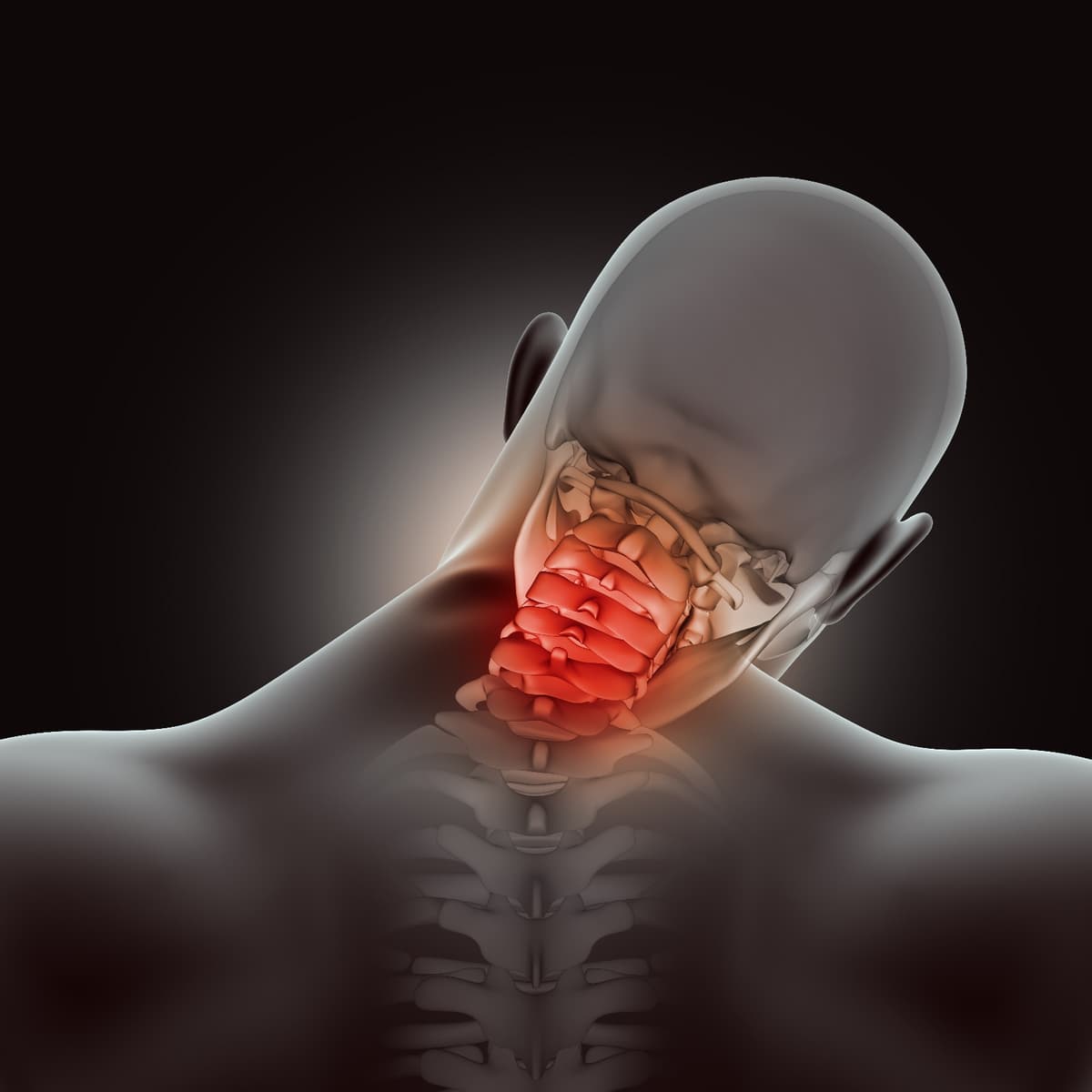
Cervical spondylosis (सर्वाइकल पेन) is age-related and posture-driven degeneration of the cervical spine that causes neck pain, stiffness, radiating arm pain, and in some cases, a persistent crunching or grinding sensation. Ayurvedic treatment — combining medicated oil massage, Panchakarma therapies, and targeted botanical actives — addresses the root Vata imbalance responsible for most cervical conditions, offering lasting relief without the side effects of long-term painkillers.
Picture this: it is 9 AM. You sit down at your desk, reach for your phone, and within seconds your neck stiffens. By noon, a dull ache has crept into your left shoulder. By evening, turning your head to reverse your car sends a sharp jolt down your arm. Sound familiar?
Cervical spondylosis — commonly called सर्वाइकल पेन in India — has quietly become one of the most prevalent musculoskeletal conditions of the digital age. It affects over 85% of people above 60, but increasingly strikes professionals in their 30s due to sustained screen time, poor posture, and the relentless demands of a sedentary work culture. Neck pain causes range from simple muscle tension to structural disc degeneration — and most people never receive a clear explanation of which one is driving their discomfort.
This guide changes that. Drawing on Ayurvedic wisdom and modern cervical science, we will walk you through exactly what is happening in your neck, why it hurts, and — most importantly — what targeted natural treatment can do to restore your range of motion, relieve your pain, and future-proof your cervical spine.
Cervical spondylosis is the umbrella term for degenerative changes in the cervical spine — the seven vertebrae (C1 to C7) that run from the base of your skull to the top of your thoracic spine. As these discs thin, bones spur, and joints stiffen, the structures that should protect your spinal cord and nerve roots begin to compress them instead.
The result is a spectrum of symptoms: from localised neck stiffness and a crunching sound when you rotate your head, to severe radiating pain, numbness, and weakness travelling into the arms and fingers.
Neck pain causes are rarely singular. Most cervical conditions develop at the intersection of structural vulnerability, lifestyle habits, and accumulated mechanical stress. Understanding your specific trigger is the first step toward targeted, lasting relief.
Every centimetre your head tilts forward adds approximately 4–5 kg of effective load on your cervical spine. At a 45-degree tilt — the average phone-scrolling angle — your neck is supporting the equivalent of 22 kg. Multiply that by 4–6 hours of daily screen time and you have a recipe for accelerated disc compression, muscle fatigue, and early-onset cervical spondylosis.
Sustained forward head posture tightens the suboccipital muscles, weakens the deep cervical flexors, and places chronic compressive stress on the posterior facet joints. Office workers, coders, and remote professionals who work without ergonomic support are at particular risk of developing cervical pain that progresses from occasional stiffness to constant, radiating nerve pain.
After age 40, cervical discs naturally lose hydration and height. This is entirely normal — but lifestyle accelerates it. A single whiplash injury, a history of contact sports, or even years of sleeping on the wrong pillow can compress the timeline from mild degeneration to symptomatic cervical spondylosis by a decade or more.
Emotional and psychological stress is a clinically recognised driver of cervical muscle spasm. The trapezius, levator scapulae, and sternocleidomastoid muscles physically contract under chronic stress, creating a cycle of tension, restricted blood flow, and pain. This is why cervical pain so frequently arrives alongside headaches, jaw tension, and fatigue.
Cervical symptoms exist on a spectrum from mildly inconvenient to genuinely debilitating. Knowing where your pain sits on that spectrum determines the urgency of your response and the nature of treatment you need.
Cervical Pain Severity Guide
In Ayurvedic medicine, cervical spondylosis and neck pain correspond to a condition called Manyastambha — stiffness and pain of the neck (Manya = neck; Stambha = stiffness). It is primarily a disorder of aggravated Vata dosha, the bio-energy that governs movement, dryness, and the nervous system.
When Vata becomes excessive — through cold, dryness, overwork, stress, irregular sleep, or excessive screen time — it disturbs the normal lubrication and nourishment of the cervical joints and discs. The result is precisely what modern medicine describes as cervical spondylosis: dryness and thinning of the disc, muscle spasm, restricted motion, and nerve irritation.
Standard analgesics manage the symptom — the pain signal — without addressing the structural and energetic imbalance that generates it. Ayurvedic treatment, by contrast, works at multiple levels simultaneously: reducing local inflammation, nourishing the disc and nerve tissue, restoring muscle tone, and rebalancing the Vata that drives the degenerative process.
Greeva Basti — A dam of black gram dough is formed around the cervical region and filled with warm medicated oil. It deeply nourishes the cervical discs, reduces stiffness, and relieves nerve compression. Considered the most targeted Panchakarma therapy for cervical spondylosis.
Nasya — Medicated oil or ghee is administered through the nostrils, reaching the cranial nerves and cervical musculature via the nasal passage. Particularly effective for headaches, upper cervical stiffness, and cervicogenic dizziness.
Abhyanga — Full-body warm oil massage with specific focus on the neck, shoulders, and upper back. Reduces Vata, improves circulation, releases chronic muscle tension, and prepares tissues for deeper therapies.
Pinda Sweda — Bolus massage with medicated herbal bundles, applied warm to the cervical region. Deeply penetrating heat therapy that loosens calcified joints and relieves the grinding sensation characteristic of advanced spondylosis.
Also explore: Ayurvedic treatment for muscle pain for complementary approaches to spasm and tension.
The most effective Ayurvedic formulations for cervical pain combine classical medicated oils with modern botanical actives — each targeting a specific layer of the problem, from inflamed nerve roots to tight paraspinal muscles.
See also: best Ayurvedic oil for knee joint pain — the same Vata-pacifying oils that work for knee joints are highly effective for cervical conditions.
Reset's formulations are built on exactly the ingredients above — combining the precision of Ayurvedic classical science with the bioavailability benefits of modern extraction. Whether you are managing daily stiffness or an acute cervical flare, there is a targeted solution in the range.
Reset Pain Relief Emulsion — Apply daily along the cervical spine and into the upper trapezius for Vata-pacifying deep nourishment. Shop Emulsion
Reset Ultra Potent Gel — Use during acute pain episodes for fast, concentrated anti-inflammatory relief. Shop Ultra Potent Gel
Reset Soothing Gel — Ideal for the burning, radiating discomfort of nerve root compression. Shop Soothing Gel
Reset Deep Penetrating Spray — A convenient spray for the upper back and shoulders — apply and go. Shop Deep Penetrating Spray
Reset Pain Relief Tablet — For ongoing systemic support, especially during periods of stress or sustained desk work. Shop Tablet
The most powerful cervical recovery plan combines targeted natural treatment with consistent daily habits. Here is an evidence-informed, Ayurveda-aligned protocol you can begin immediately.
Complete rest worsens most cervical conditions by allowing muscles to decondition and joints to stiffen further. Gentle, controlled movement — chin tucks, shoulder rolls, and neck rotations — maintains cervical mobility, prevents adhesion formation, and stimulates the synovial fluid production that lubricates facet joints.
Warmth is non-negotiable. Warm oil applied with gentle pressure improves penetration of active compounds, stimulates local blood flow, and calms the nervous system response that perpetuates muscle spasm. Apply Reset Emulsion or your chosen Ayurvedic cervical oil nightly for at least four to six weeks for meaningful structural benefit.
Raise your screen to eye level. Position your keyboard so your elbows are at 90 degrees. Place your phone on a stand rather than holding it. These changes remove the mechanical load that drives cervical degeneration — and they cost nothing.
The longus colli and longus capitis muscles are the core muscles of the neck — and like all core muscles, they are chronically underused in sedentary adults. Simple chin tucks (retracting the chin to create a double chin) performed 15 times a day activate these muscles and counteract the forward head posture that accelerates cervical spondylosis.
Chronic stress keeps the trapezius and neck muscles in a state of sustained contraction that no amount of massage fully resolves unless the stress itself is managed. Pranayama (particularly Anulom Vilom), five-minute body scan meditations, and consistent sleep schedules are not wellness extras — they are cervical medicine.
Related reading: Ayurvedic remedies for headaches | Ayurvedic remedies for period pain
Cervical spondylosis is driven by Vata aggravation in Ayurveda — posture, stress, dryness, and screen time are its modern accelerants.
The C5-C6 level is the most commonly affected, causing arm pain, thumb tingling, and bicep weakness in many sufferers.
Ayurvedic Panchakarma therapies — especially Greeva Basti — offer targeted disc nourishment that no oral medication or topical gel alone can match.
Key ingredients — Mahanarayan Tail, Boswellia, Rosemary, Geranium, Camphor, and Flaxseed oil — work synergistically on inflammation, nerve pain, and structural disc health.
Daily warm oil massage, postural correction, and deep cervical flexor strengthening are the three most impactful non-surgical interventions.
Red flags — progressive arm weakness, hand numbness spreading, loss of grip strength — require urgent medical evaluation, not more home treatment.
Reset's cervical-focused topical range delivers classical Ayurvedic actives in modern, bioavailable formats for consistent, evidence-supported relief.
Cervical pain is any pain originating from the cervical spine — the seven vertebrae of the neck. It can arise from the discs (disc bulge or herniation), the facet joints (spondylosis), the muscles (spasm or strain), or the nerve roots (radiculopathy). In Ayurveda, it corresponds to Manyastambha — a Vata disorder causing stiffness, pain, and restricted neck movement. It is one of the most common musculoskeletal complaints worldwide and is increasingly affecting younger adults due to prolonged screen and device use.
There is no single cure because cervical pain has multiple drivers — but it is highly manageable. The most effective approach combines daily Ayurvedic oil massage (to nourish the disc and calm nerve irritation), targeted physiotherapy (to restore range of motion and strengthen supporting muscles), postural correction (to remove the mechanical cause), and anti-inflammatory support through topicals and oral supplements. Reset's cervical range offers a complete toolkit for this multi-pronged approach.
Complete reversal of structural degeneration is not currently possible with any treatment. However, halting progression, achieving long-term pain remission, and restoring full functional mobility are entirely realistic goals. This requires consistent Ayurvedic care — daily oil massage, Panchakarma sessions during flare-ups, and deep cervical flexor strengthening — combined with permanent lifestyle modifications around posture, screen habits, and stress management. Many patients maintain complete symptom freedom for years on this protocol.
For immediate relief: apply a warm compress or a small amount of Reset Soothing Gel to the stiff area, perform a gentle chin tuck (pull the chin straight back, hold 5 seconds), then slowly rotate your head side to side within your comfortable range. The heat or gel relaxes the muscle, the chin tuck activates the deep cervical flexors, and the slow rotation begins to mobilise the stuck joint. This will not treat the underlying cause, but it provides meaningful immediate relief.
Left-side cervical pain is commonly caused by sleeping on the left side on an unsuitable pillow, a left-sided disc bulge, or chronic spasm in the left levator scapulae. For relief: apply warm Reset Ultra Potent Gel to the left cervical and upper shoulder region. Perform a left levator scapulae stretch: sit upright, tuck your chin slightly, rotate your head 45 degrees to the right, then gently tilt it toward your right knee. Hold for 20–30 seconds. Repeat three times. Assess your sleeping position and pillow height.
Frozen shoulder (adhesive capsulitis) that accompanies cervical conditions requires a combined approach. Daily pendulum exercises help preserve shoulder range of motion. Warm Ayurvedic oil massage applied to both the cervical spine and shoulder joint reduces the joint stiffness through Vata pacification and improved synovial fluid production. Ayurvedic Greeva Basti (warm oil pooling over the cervical region) and supervised physiotherapy are the most effective interventions. Full resolution typically takes three to six months of consistent treatment, but meaningful improvement is often felt within four to six weeks.
Morning neck pain from sleeping in a poor position is one of the most common cervical complaints. Apply a warm compress to the affected side for 10 minutes. Follow this with a gentle application of Reset Soothing Gel. Perform slow, gentle neck rotations and side bends within your comfortable range to loosen the muscle. The key to preventing recurrence is a cervical-support pillow that maintains the natural lordotic curve of your neck whether you sleep on your back or side. Avoid stomach sleeping entirely.
Cervical muscle spasm is most effectively relieved through a combination of warmth, oil penetration, and gentle stretch. Apply warm Reset Emulsion to the affected muscle, massage in slow circular movements for 5–10 minutes, then perform a targeted stretch for the specific muscle involved. For the trapezius: ear to opposite shoulder, hold 20 seconds. For the levator scapulae: head rotated 45 degrees, tilt toward the knee, hold 20 seconds. Increasing magnesium intake (through dark leafy greens, seeds, or supplementation) also helps reduce the frequency of spasms significantly.
The crunching or grinding sound (crepitus) in the neck is caused by gas bubbles in the facet joints, roughened cartilage surfaces in early spondylosis, or tight tendons moving over bony prominences. It is rarely dangerous on its own, but it signals underlying joint dryness and early degeneration that should be addressed. Consistent daily Ayurvedic oil massage nourishes the joint cartilage and improves synovial lubrication over time. Deep cervical flexor strengthening reduces the abnormal joint loading that produces the sound. Staying well hydrated is also important — cervical disc tissue is 80% water.
Cervical spondylosis and neck pain are not inevitable consequences of ageing or modern work — they are manageable, and in many cases reversible, with the right approach. Ayurvedic wisdom offers something that modern pain management often misses: a system that treats not just the symptom, but the structural, energetic, and lifestyle roots of the problem. Combine that with Reset's targeted botanical formulations and a few consistent daily habits, and your cervical spine can heal far more powerfully than you might expect.
Explore Reset's complete range for back, neck, and joint pain at www.reset.in.
Share this article:
Uniquely formulated gel with wintergreen oil containing natural methyl salicylate.
₹349.00
₹299.00
A 2X more powerful formula for enhanced relief.

₹799.00
₹649.00
An easy to apply potent formula with roll-on massager

₹549.00
₹449.00
A value pack for natural pain relief with a harmonious blend of natural herbs.

₹419.00
₹379.00
| Level | Structures / Areas Supplied | Symptoms When Compressed |
|---|---|---|
| C1 – C2 | Head, skull base, upper neck muscles | Headaches, neck instability, upper neck pain |
| C3 – C4 | Neck, upper shoulder, diaphragm (partial) | Neck ache, hiccups, breathing difficulty (severe) |
| C4 – C5 | Shoulder, upper arm (deltoid) | Shoulder weakness, arm pain, deltoid numbness |
| C5 – C6 | Biceps, wrist extensors, thumb & index finger | Bicep weakness, thumb/index finger tingling (most common) |
| C6 – C7 | Triceps, wrist flexors, middle finger | Tricep weakness, grip loss, middle finger numbness |
| C7 – T1 | Hand intrinsic muscles, little finger | Hand weakness, little/ring finger tingling |
| Cause | Primary Symptom | Where Pain Travels | Who Is Most at Risk |
|---|---|---|---|
| Tech neck / forward head posture | Stiff neck, dull ache | Upper back, base of skull | Remote workers, students, gamers |
| Disc degeneration / spondylosis | Morning stiffness, grinding sound | Shoulders, arms, fingers | Adults 40+; history of neck injury |
| Muscle spasm | Sharp localised tightness | Shoulder blade, upper back | Stress-prone professionals |
| Cervical disc herniation | Radiating arm / hand pain | Arm, forearm, specific fingers | Heavy lifters, whiplash history |
| Sleeping position | Pain on one side (esp. left) | Shoulder, jaw, ear | Side/stomach sleepers, wrong pillow |
| Frozen shoulder (secondary) | Shoulder stiffness + neck tightness | Shoulder range of motion restricted | Post-injury, diabetics, 40–60 age |
| Severity | Typical Symptoms | Recommended Action |
|---|---|---|
| Mild | Occasional stiffness, crunching sound, morning tightness, slight restriction in rotation | Postural correction, daily oil massage, targeted stretches, Reset Soothing Gel |
| Moderate | Persistent neck ache, radiating shoulder pain, left-side pain, muscle spasm, sleep disruption | Physical therapy, warm Ayurvedic oil treatment, Reset Ultra Potent Gel, assess pillow/ergonomics |
| Severe | Arm numbness or weakness, radiating pain to fingers, difficulty gripping, myelopathy signs | Immediate medical evaluation; imaging; supervised Panchakarma + medical management |
| Red Flags | Loss of bladder/bowel control, progressive arm weakness, pain following trauma, unexplained fever | Emergency medical care — do not delay |
| Ingredient | Active Compounds | Mechanism of Action | Cervical-Specific Benefit |
|---|---|---|---|
| Mahanarayan / Sahacharadi Tail | Classical poly-herbal in sesame base | Deep Vata pacification; nourishes disc and joint tissue | Relieves stiffness, radiating pain, neck-shoulder tightness |
| Camphor & Eucalyptus | Borneol, 1,8-cineole | Counter-irritant; cools nerve pain; improves local blood flow | Rapid surface relief for muscle spasm and burning sensation |
| Rosemary Oil | Rosmarinic acid | Inhibits pro-inflammatory COX mediators; analgesic | Reduces nerve root inflammation; improves circulation to discs |
| Geranium Oil | Citronellol, geraniol | Anti-nociceptive; muscle-relaxant | Releases chronic trapezius and levator scapulae spasm |
| Boswellia (Shallaki) | Boswellic acids (AKBA) | Inhibits 5-LOX; reduces disc and facet joint swelling | Addresses the cartilage and disc inflammation at cervical joints |
| Alsi / Flaxseed Oil | Alpha-linolenic acid (ALA) | Systemic omega-3 anti-inflammatory; myelin support | Nourishes compressed nerve roots; reduces chronic inflammation |
| Product | Best For | Key Actives |
|---|---|---|
| Reset Pain Relief Emulsion | Daily neck & shoulder maintenance; disc-related stiffness | Wintergreen |
| Reset Ultra Potent Gel | Acute cervical flare-ups; intense nerve pain; post-injury | Eucalyptus |
| Reset Soothing Gel | Burning nerve pain radiating to arm; post-physio cooling | Menthol |
| Reset Deep Penetrating Spray | Upper back and hard-to-reach cervical/shoulder areas; on-the-go | Nirgundi |
| Reset Pain Relief Tablet | Systemic inflammation; long-term cervical disc support | Oral Boswellia + anti-inflammatory herbal blend |
| Time / Step | Action |
|---|---|
| On waking | Chin tucks × 15 reps; gentle neck rotation × 10 each side; avoid looking at phone for first 30 minutes |
| Morning (pre-work) | Apply warm Reset Emulsion to neck and upper trapezius; 5-min self-massage with circular strokes |
| Every 45 minutes at desk | Stand, perform 5 shoulder rolls and 5 neck side-bends; reset head posture (ears over shoulders) |
| Midday | Doorframe chest opener stretch × 30 sec; levator scapulae stretch (ear to shoulder, hold 20 sec each side) |
| Evening | Warm oil massage to cervical spine and shoulders using Reset Emulsion or Soothing Gel; 10 minutes |
| Bedtime | Sleep on back or side with cervical pillow; avoid stomach sleeping; keep phone off the bedside table |
| Weekly (3x) | Chin tuck to wall exercise; deep cervical flexor strengthening; yoga — Bhujangasana, Matsyasana, Balasana |