Soothing gel
Uniquely formulated gel with wintergreen oil containing natural methyl salicylate.

₹349.00
₹299.00
4.6

2026-04-23 • 5 min read
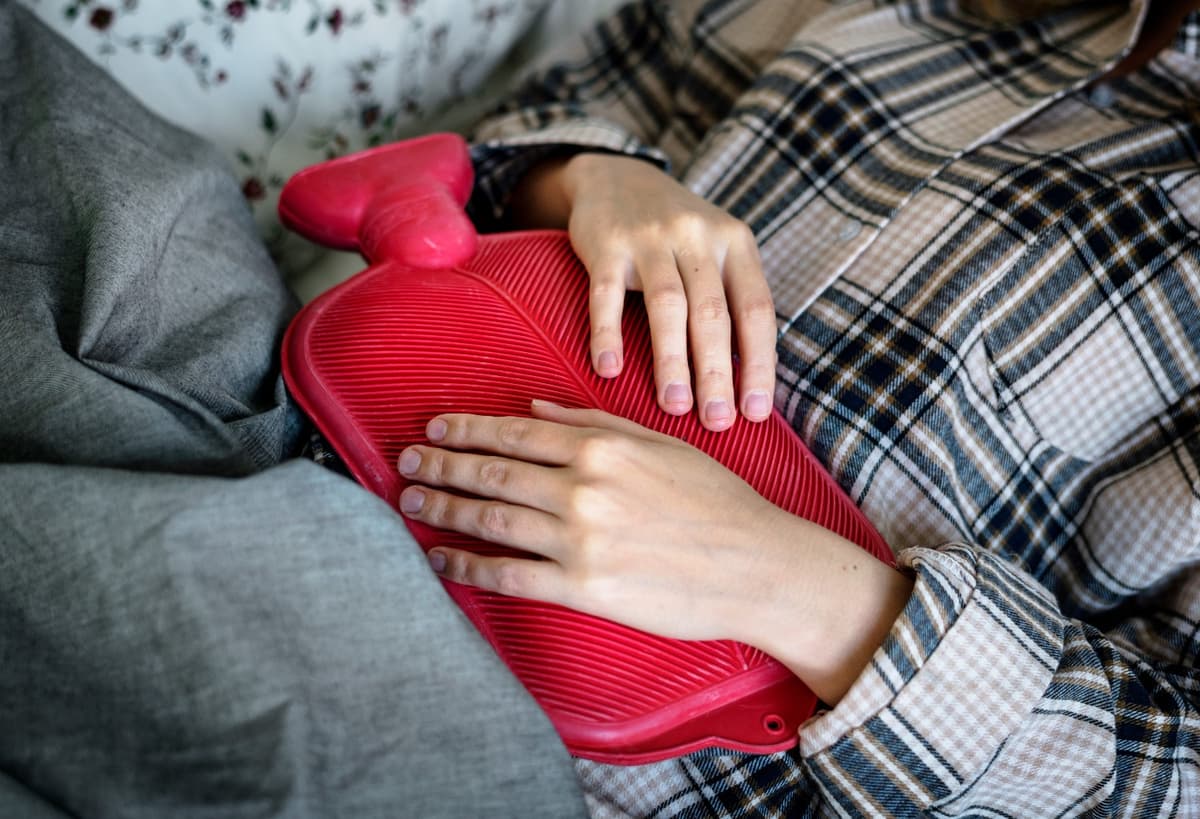
Meet Priya. She is 26, works long hours, and every month — like clockwork — spends the first two days of her cycle curled up with a hot water bottle, three tablets, and the quiet resignation that this is just how it is. She has never been told anything different. Her mother had the same experience. Her colleagues do too.
Here is what Priya was never told: period pain should not be debilitating. Mild discomfort is physiologically normal. Severe cramps that derail your day, cause vomiting, or radiate into the lower back and legs are not. Yet across India, the majority of women who experience significant dysmenorrhoea manage it reactively — reaching for a periods pain relief tablet without ever understanding the cause or seeking a lasting solution.
This guide changes that. Drawing on Ayurvedic wisdom and modern reproductive science, we decode the real reasons behind period pain and its accompanying symptoms — from leg pain before periods to back pain and irregular flow — and walk you through the most effective natural remedies available. Because your cycle should not be something you survive. It should be something your body handles with ease.
Dysmenorrhoea is the clinical term for painful menstruation. It is classified into two distinct types — primary and secondary — and understanding which type you experience is the first step toward the right treatment.
Primary dysmenorrhoea has no underlying pathological cause. It is driven entirely by prostaglandins — hormone-like chemicals that signal the uterine muscle to contract forcefully to shed its lining. These contractions temporarily restrict blood flow to the uterus, causing ischaemic pain similar to what happens in a muscle cramp. It typically begins 6–12 months after the first period, peaks in the late teens to mid-twenties, and often improves with age or after pregnancy.
Secondary dysmenorrhoea is caused by an underlying reproductive condition — most commonly endometriosis, uterine fibroids, adenomyosis, or pelvic inflammatory disease. It tends to worsen over time rather than improve, often begins earlier in the cycle, and may persist beyond menstruation. This type requires medical investigation and diagnosis in addition to symptomatic relief.
Period pain rarely arrives alone. Understanding the full picture of period symptoms helps identify the severity and origin of your discomfort:
Lower abdominal cramping — the hallmark of dysmenorrhoea, ranging from mild to debilitating
Lower back pain — referred pain from uterine contractions radiating into the lumbar region
Leg pain and thigh aching — Apana Vata imbalance referring pain down the legs through the uterine ligaments
Bloating and digestive upset — prostaglandins also affect the bowel, causing diarrhoea or nausea
Headache and fatigue — systemic prostaglandin effects and blood loss-related iron depletion
Mood changes — hormonal fluctuation affecting serotonin and cortisol in the luteal phase
Leg pain before period is one of the most commonly reported — and least explained — period symptoms. It has two primary mechanisms. First, the uterosacral and round ligaments connect the uterus to the pelvic wall and lower back; when the uterus contracts heavily, tension radiates through these ligaments into the thighs and upper legs. Second, in Ayurvedic terms, aggravated Apana Vata moves erratically through the pelvic channels, disturbing the Vata pathways that run into the lower limbs — producing aching, heaviness, and restlessness in the legs even before bleeding begins.
The answer lies in prostaglandins — specifically prostaglandin F2-alpha (PGF2α). In the days before menstruation, as progesterone levels fall, the uterine lining releases large quantities of prostaglandins. These chemicals cause the uterine muscle (myometrium) to contract strongly and repeatedly to expel the lining. In women with higher prostaglandin levels or greater uterine sensitivity, these contractions are intense enough to compress blood vessels, briefly cutting off oxygen to the uterine tissue — and that ischaemia is what causes the characteristic cramping pain.
Prostaglandins also enter the bloodstream and affect other smooth muscle organs — which explains why period pain is often accompanied by diarrhoea, nausea, headache, and even leg cramping. The systemic prostaglandin load is essentially a whole-body inflammatory event, not just a local uterine one.
Why do some women suffer far more than others? Research points to three factors: genetic variations in prostaglandin production enzymes, the degree of underlying pelvic inflammation (which amplifies prostaglandin output), and psychological stress — which increases cortisol, disturbs the hypothalamic-pituitary-ovarian axis, and measurably worsens pain perception.
Related: Ayurvedic Remedies for Stomach Pain — digestive support that complements menstrual relief.
Ayurveda has understood painful menstruation for over 3,000 years — not as a hormonal malfunction but as an energetic imbalance in the Apana Vata, one of the five subtypes of Vata dosha. Apana Vata governs all downward-moving functions in the body: elimination, urination, childbirth, and crucially, menstruation. When Apana Vata is aggravated — by cold exposure, irregular eating, stress, excess raw or dry food, or erratic sleep — it moves chaotically rather than smoothly downward. The result is irregular, painful, or heavy menstruation.
Artava — the menstrual tissue — is considered an Upadhatu (secondary tissue) derived from Rasa Dhatu (the nutritive plasma). When Rasa Dhatu is depleted through poor nutrition, excessive physical or mental exertion, or chronic stress, Artava becomes scanty, dark, or painful. Artava Kshaya (depletion of menstrual tissue) presents as irregular cycles, sparse flow, and pain that is more cramping than flowing.
Ayurvedic treatment therefore has two simultaneous aims: calm and redirect Apana Vata, and nourish Artava and Rasa Dhatu. This is why Ayurvedic period pain remedies use a combination of Vata-pacifying, uterine-toning, and tissue-nourishing herbs — not just anti-spasmodics.
The Ayurvedic pharmacopoeia contains some of the most rigorously studied plant-based interventions for menstrual pain. These herbs work through multiple mechanisms simultaneously — reducing prostaglandin production, relaxing uterine smooth muscle, nourishing the uterine lining, and calming the nervous system response to pain.
Shatavari (Asparagus racemosus) is the cornerstone of Ayurvedic women's health. Its steroidal saponins exert gentle phytoestrogenic activity, helping to regulate the oestrogen-progesterone balance that underlies both the pain intensity and cycle irregularity of dysmenorrhoea. It nourishes Rasa and Artava Dhatu, reduces uterine inflammation, and has adaptogenic properties that lower the stress-driven cortisol component of menstrual pain. For women with scanty, painful periods — classic Artava Kshaya — Shatavari is often the single most transformative herb.
Ashoka (Saraca asoca) has been used exclusively for uterine health in classical Ayurveda for millennia. Its bark contains tannins, glycosides, and flavonoids with documented uterine tonic and anti-spasmodic effects — meaning it both strengthens the uterine muscle and reduces its tendency to contract excessively and painfully. Modern research supports its use for dysmenorrhoea, irregular cycles, and menorrhagia (heavy bleeding). Ashoka is particularly effective for Pitta-type period pain with heavy, bright red flow.
Dashmool literally means "ten roots" — a classical combination of ten specific plant roots that together produce a powerful anti-inflammatory, Vata-pacifying, and analgesic effect. As a decoction (Dashmool Kwath), it is one of the most prescribed classical remedies for dysmenorrhoea, particularly the Vata-type with radiating back and leg pain. It works at the channel level, clearing blocked Vata pathways and restoring smooth downward flow of Apana Vata.
See also: Best Ayurvedic Treatment for Back Pain — for the lower back pain component of dysmenorrhoea.
Lodhra (Symplocos racemosa) contains alkaloids that have been shown to regulate FSH and LH levels — the pituitary hormones that govern ovulation and cycle regularity. It is particularly valuable for women with irregular periods, PCOS-like patterns, or Kapha-type dysmenorrhoea with heavy, clotted flow. Its astringent action tones the uterine lining and reduces excessive bleeding.
Ginger is one of the most evidence-backed natural interventions for period pain specifically. Clinical trials have shown ginger to be comparable to ibuprofen in reducing dysmenorrhoea severity — its gingerols and shogaols inhibit both cyclooxygenase (COX) and lipoxygenase (LOX) enzymes, directly suppressing prostaglandin and leukotriene production. Taken as a warm tea with honey from the day before menstruation begins, ginger is one of the most accessible and effective periods pain relief remedies available.
Curcumin, the active compound in turmeric, is a potent inhibitor of NF-kB — the master switch of the inflammatory cascade. For period pain, which is fundamentally an inflammatory event driven by prostaglandins and cytokines, turmeric addresses the root inflammatory mechanism. Combining turmeric with black pepper (piperine) increases curcumin bioavailability by up to 2,000%, making the classic golden milk preparation a genuinely powerful daily intervention.
Ajwain contains thymol, a potent antispasmodic compound that directly relaxes smooth muscle contractions. In Ayurvedic practice, a teaspoon of ajwain seeds taken with warm water at the onset of cramps provides rapid relief — it works within 15–20 minutes for many women. It simultaneously addresses the digestive component of period pain (bloating, gas, diarrhoea) by calming intestinal smooth muscle alongside uterine smooth muscle.
Flaxseeds are one of the richest plant sources of alpha-linolenic acid (ALA) and lignans. ALA is a precursor to anti-inflammatory omega-3 fatty acids that counteract the pro-inflammatory prostaglandins driving period pain. Lignans have phytoestrogenic activity that gently modulates oestrogen excess — a key driver of both painful periods and conditions like endometriosis. Regular daily consumption of ground flaxseeds is a foundational nutritional strategy for reducing dysmenorrhoea over time.
External application of warm oils is one of the most underutilised and most effective strategies for period pain relief. Ayurvedic Abhyanga (oil massage) over the lower abdomen and sacral region directly pacifies Apana Vata, relaxes the surrounding musculature, improves pelvic circulation, and reduces the ischaemic cramping that drives much of the pain.
Castor oil (Eranda Taila) is a classical Ayurvedic Vata-pacifier with specific affinity for the lower abdomen and reproductive organs. Warm castor oil applied over the lower abdomen and massaged in slow clockwise circles for 10 minutes — followed by a heat pad for 15 minutes — is one of the most effective non-pharmacological interventions for dysmenorrhoea. Sesame oil (Til Taila) is the base oil of choice in Ayurveda for all Vata conditions and can be used similarly when castor oil is unavailable.
For more chronic or severe Vata-type dysmenorrhoea with significant back and leg involvement, classical Ayurvedic medicated oils such as Bala Taila (prepared with Bala root in sesame base) and Dhanwantharam Taila provide deeper therapeutic action. These are traditional Abhyanga oils specifically formulated for Vata disorders of the reproductive system, musculoskeletal system, and lower channels. They are best applied warm to the lower back, sacrum, and inner thighs — the areas where Apana Vata blockage manifests most acutely.
For lower back pain specifically, see: Best Ayurvedic Treatment for Back Pain.
Reset's Pain Relief Emulsion combines Sahacharadi Thailam with Boswellia, Rosemary, Geranium, and Chamomile actives in a fast-absorbing emulsion base. Applied warm to the lower abdomen and lumbar region at the onset of period symptoms, it delivers the classical Vata-pacifying action of Sahacharadi Thailam alongside the prostaglandin-inhibiting effects of Boswellia and the antispasmodic properties of Chamomile. It is particularly effective for the combined abdominal cramping and lower back pain pattern that characterises most dysmenorrhoea.
Shop Reset Pain Relief Emulsion
Diet is a powerful but often overlooked lever for menstrual pain. Certain fruits have specific anti-inflammatory, antispasmodic, or hormone-modulating properties that make them particularly valuable during menstruation:
Papaya — contains papain, an enzyme with anti-inflammatory properties, and promotes smooth uterine muscle contraction. Particularly helpful for scanty or painful flow and is a classical Ayurvedic food recommendation for menstrual health.
Banana — rich in potassium and vitamin B6, both of which reduce muscle cramping and support serotonin production. The magnesium content additionally relaxes smooth muscle.
Pineapple — contains bromelain, a proteolytic enzyme with clinically demonstrated anti-inflammatory and muscle-relaxant effects. Particularly effective at reducing bloating and cramp severity.
Figs (Anjeer) — a classical Ayurvedic recommendation for Artava Kshaya; rich in iron, calcium, and magnesium. Support uterine health and replenish blood loss minerals.
Dates — warming, nourishing, and iron-rich. Ayurveda recommends dates soaked in milk for menstrual fatigue, back pain, and blood replenishment during and after periods.
Just as important as what to eat is what to avoid. These foods reliably worsen period symptoms in most women:
Cold foods and drinks — directly aggravate Vata and Apana Vata; restrict pelvic circulation
Processed and fried foods — high in omega-6 fatty acids that increase prostaglandin production
Excess salt — worsens water retention and bloating
Caffeine — constricts blood vessels, increases cortisol, worsens cramping and breast tenderness
Refined sugar — pro-inflammatory; disrupts blood sugar and worsens mood swings
Cruciferous raw vegetables in excess — gas-producing, worsens the Vata digestive component
Related: Ayurvedic Remedies for Headaches Relief — headaches are a common period symptom; this guide addresses both together.
Reset's formulations are built on the same Ayurvedic principles outlined throughout this guide. The two most relevant products for period pain management are the Emulsion (external) and the Tablet (internal) — used together, they address both the local uterine cramping and the systemic inflammatory load.
Reset Pain Relief Emulsion — Targeted topical relief for abdominal cramps and period back pain. Shop Emulsion
Reset Pain Relief Tablet — Systemic anti-inflammatory support for the full period pain picture. Shop Tablet
Start 2 days before your period — take warm ginger tea with honey, begin ground flaxseed in your morning meal, and apply warm sesame or castor oil to your lower abdomen as a preventive Abhyanga. Shifting from reactive to preventive is the single biggest change you can make.
At the first sign of cramps — apply Reset Emulsion (warmed in your hands first) to the lower abdomen and lower back. Take a teaspoon of ajwain with warm water. Place a heat pad over the abdomen for 15–20 minutes. Do not eat cold food.
Support from within — take Reset Tablet as directed to address the systemic inflammatory load. Eat warm, easily digestible foods: khichdi, warm soups, dates, bananas, papaya. Avoid caffeine and raw salads on heavy flow days.
Move gently — gentle yoga poses such as Balasana (child's pose), Supta Baddha Konasana (reclined butterfly), and gentle spinal twists improve pelvic circulation, reduce Vata stagnation, and measurably reduce cramping within 20 minutes.
Build your cycle health between periods — take Shatavari daily in warm milk for two cycles. Maintain regular sleep and meal timings (Dinacharya). Reduce cold, dry food. This sustained approach rebuilds Artava and Rasa Dhatu, reducing pain severity cycle by cycle.
Related Reading:
→ Best Ayurvedic Oil for Knee Joint Pain
→ Muscle Pain Ayurvedic Treatment
→ Best Ayurvedic Treatment for Back Pain
→ Best Cervical Pain Relief Ayurvedic Treatment
→ Ayurvedic Remedies for Tooth Pain
→ Ayurvedic Remedies for Stomach Pain
Period pain is caused by prostaglandin-driven uterine contractions — a real, physiological mechanism — not weakness or something to just push through.
Severe dysmenorrhoea that worsens cycle by cycle warrants medical evaluation to rule out endometriosis, fibroids, or other secondary causes.
Apana Vata aggravation is the Ayurvedic root of most menstrual pain — treatment focuses on pacifying Vata, nourishing Artava, and restoring smooth downward flow.
Shatavari, Ashoka, Dashmool, and Ginger are the four most evidence-supported Ayurvedic herbs for periods pain relief.
Warm oil massage (castor oil or Reset Emulsion) over the lower abdomen is one of the most effective non-pharmacological interventions for cramping.
Diet profoundly affects period pain — ginger tea, papaya, banana, and dates actively reduce symptoms; cold foods, caffeine, and processed oils worsen them.
Preventive Ayurvedic practice between cycles — Shatavari, regular meals, warm foods, adequate sleep — reduces pain severity cycle by cycle over time.
Stopping a period once it has started is not physiologically straightforward or advisable without medical supervision. However, certain approaches may help slow very heavy flow temporarily: applying a cold compress to the lower abdomen, consuming astringent herbs like Lodhra or raspberry leaf tea, and staying well hydrated. For irregular or excessively heavy cycles, address the root cause with Ashoka and Lodhra over multiple cycles. If flow is abnormally heavy or prolonged, consult a gynaecologist — it may indicate fibroids or adenomyosis.
Feeling period symptoms (cramping, bloating, mood changes) without visible bleeding can indicate several things: the period is about to start (spotting may precede flow), a very scanty flow is present (Artava Kshaya in Ayurveda), an early pregnancy (implantation cramping), or a structural issue like cervical stenosis. In Ayurvedic practice, Shatavari and Dashmool are used to encourage smooth Apana Vata flow. If this pattern recurs, consult a gynaecologist.
Lower cramps without menstrual flow can result from: ovulation pain (mittelschmerz, occurring mid-cycle), early pregnancy, a delayed period due to stress, thyroid dysfunction, or significant weight changes, digestive cramping mimicking menstrual pain, or early signs of ovarian cysts. In Ayurveda, Apana Vata imbalance can produce cramping without adequate flow. If cramping is accompanied by missed periods over multiple cycles, seek medical evaluation.
Cycle regularity is governed by the hypothalamic-pituitary-ovarian (HPO) axis — which is exquisitely sensitive to stress, sleep deprivation, weight changes, and nutritional deficiency. Ayurvedic approaches to regulate cycle timing include: taking Shatavari daily; maintaining consistent sleep and meal timings (Dinacharya); managing stress through Ashwagandha and daily oil massage; avoiding excessive exercise or caloric restriction; and warming foods in the two weeks before the expected period. Lodhra specifically helps regulate FSH and LH, which govern cycle timing.
While there is no guaranteed safe way to significantly advance a period, approaches that support Apana Vata downward flow include: warm ginger and turmeric tea; papaya consumption (a classical Ayurvedic emmenagogue); warm sesame oil massage over the lower abdomen; and light exercise. Medical options include hormonal interventions, which should only be used under a doctor's guidance. Do not attempt to induce a period if there is any chance of pregnancy.
Conventional first-line treatment for primary dysmenorrhoea is NSAIDs such as ibuprofen or mefenamic acid, taken at the first sign of pain and continued for 2–3 days. These directly inhibit prostaglandin production and are highly effective when taken pre-emptively. For those seeking natural alternatives with a comparable mechanism, ginger (clinical evidence shows equivalence to ibuprofen) and Shir Shool Har Vati are well-supported Ayurvedic options. Reset's Tablet provides systemic anti-inflammatory support as a complementary approach. Consult your doctor before switching from prescribed medication.
Period-related lower back pain responds well to: warm oil massage (Reset Emulsion or castor oil) applied to the lumbar region; a heat pad on the sacral area; gentle yoga including cat-cow stretches and child's pose; and Dashmool Kwath internally. The back pain arises from the same prostaglandin cascade and uterine ligament tension as abdominal cramping, so systemic anti-inflammatory support (Reset Tablet) addresses both simultaneously.
See: Ayurvedic Remedies for Headaches Relief for the headache component of period symptoms.
Leg pain before period arises because the uterosacral and round ligaments — which anchor the uterus — connect to the pelvic wall and exert referred tension on the lumbar nerves that supply the thighs and legs. Additionally, the prostaglandin-driven increase in pelvic inflammation sensitises adjacent nerve pathways. In Ayurveda, aggravated Apana Vata moves erratically through the lower channels (Shrotas) before flow begins, causing aching, heaviness, and restlessness in the legs. Warm sesame oil massage on the inner thighs and lower back before the period starts is one of the most effective preventive measures.
The most beneficial fruits for period pain are papaya (antispasmodic, promotes smooth flow), banana (potassium, magnesium, B6 for muscle relaxation), pineapple (bromelain anti-inflammatory), figs (iron, calcium, magnesium for blood replenishment), and dates (warming, iron-rich, classical Ayurvedic recommendation for menstrual fatigue). Avoid cold fruits like chilled watermelon or frozen berries during heavy flow days, as cold aggravates Apana Vata and worsens cramping.
Effective approaches for period back pain relief: apply Reset Emulsion warm to the lumbar and sacral region twice daily during menstruation; use a heat pad on the lower back for 20 minutes; perform gentle cat-cow yoga and pelvic tilts; take Dashmool Kwath as directed; and ensure adequate magnesium intake (via leafy greens, dates, and banana) as magnesium deficiency directly worsens muscle cramping. For persistent cycle-to-cycle back pain, investigate cervicogenic or disc involvement.
Cramps with a late period most commonly indicate: the period is about to arrive (Apana Vata is building pressure for downward flow), implantation cramping from early pregnancy, or a delayed cycle due to stress, illness, or nutritional change. A 4-day delay is within normal cycle variation for many women. If there is any sexual activity, take a pregnancy test before attempting to stimulate flow. If cramping is severe, take a warm ginger and ajwain decoction to support smooth Apana Vata flow. If the period does not arrive within 7–10 days, consult your doctor.
Your period is not the problem — an imbalanced Apana Vata is. With the right herbs, warm oils, dietary support, and consistent Ayurvedic practice, period pain goes from something you manage to something your body handles naturally. Every woman deserves a cycle that does not sideline her life.
Explore Reset's Pain Relief range at www.reset.in.
Share this article:
Uniquely formulated gel with wintergreen oil containing natural methyl salicylate.
₹349.00
₹299.00
A 2X more powerful formula for enhanced relief.

₹799.00
₹649.00
A dose of immunity and goodness with a tangy twist

₹439.00
₹419.00
Detox your body today with powerful herbs.

₹929.00
₹749.00
| Symptom | Physiological Cause | Ayurvedic Correlation | See a Doctor If... |
|---|---|---|---|
| Abdominal cramps | Prostaglandin-driven uterine muscle contractions | Apana Vata aggravation | Pain is severe, unresponsive to tablets, worsening each cycle |
| Lower back pain | Referred pain from uterine contractions via spinal nerves | Vata in Kati (lumbar) region | Constant; not just during flow; associated with fever |
| Leg pain / heaviness | Uterine ligament tension; referred nerve pain | Apana Vata in lower channels | Severe, with numbness or one-sided swelling |
| Bloating / nausea | Prostaglandins affecting intestinal motility | Vata + Pitta in Pakwashaya | Vomiting that prevents eating; prolonged beyond day 2 |
| Headache | Hormonal shifts; prostaglandin systemic effects | Pitta aggravation in Shiro | Sudden severe headache; visual changes |
| Mood changes | Oestrogen / progesterone fluctuation affecting serotonin | Vata-Pitta disturbance in Manas | Severe depression, anxiety, or suicidal thoughts |
| Irregular flow | Hormonal imbalance; thyroid; stress; low body weight | Artava Kshaya (depleted Artava) | Absent for 3+ months; extremely heavy; mid-cycle bleeding |
| Dosha | Pain Pattern | Other Symptoms | Key Approach |
|---|---|---|---|
| Vata (most common) | Colicky, spasmodic, radiating to back and legs; comes in waves | Bloating, constipation, anxiety, scanty or irregular flow, cold sensitivity | Warm oils; Dashmool; Shatavari; Ashwagandha; warm foods; rest |
| Pitta | Sharp, burning, intense; often with heavy or bright red flow | Nausea, diarrhoea, irritability, inflammation, fever-like sensation | Cooling herbs; Lodhra; Ashoka; avoid spicy food; Aloe vera |
| Kapha | Dull, heavy, deep aching; worse in morning | Heavy flow with clots, water retention, fatigue, low motivation | Warming herbs; Ginger; Trikatu; light diet; exercise between cycles |
| Mixed (Vata-Pitta) | Spasmodic AND burning; erratic cycle timing | Combination of anxiety, irritability, heavy but painful flow | Shatavari + Ashoka combination; Dashmool; individualised care |
| Herb / Ingredient | Primary Action | Best For |
|---|---|---|
| Shatavari | Phytoestrogenic; Artava and Rasa nourishment; adaptogen | Scanty, painful, irregular periods; Vata type; stress-driven pain |
| Ashoka | Uterine tonic; anti-spasmodic; reduces excessive contractions | Heavy flow with pain; Pitta type; uterine fibroids (supportive) |
| Dashmool | Ten-root Vata-pacifier; analgesic; anti-inflammatory decoction | Radiating back and leg pain; Vata dysmenorrhoea; channel blockage |
| Lodhra | FSH/LH regulation; astringent uterine toning | Irregular cycles; heavy clotted flow; PCOS-like pattern; Kapha type |
| Ginger (Shunthi) | COX and LOX inhibition; prostaglandin suppression; warming | Active cramps; nausea; cold-type pain; equivalent to ibuprofen in trials |
| Turmeric (Haridra) | NF-kB inhibition; systemic anti-inflammatory; curcumin | Chronic inflammatory dysmenorrhoea; endometriosis (supportive) |
| Ajwain | Thymol-based smooth muscle relaxant; antispasmodic | Acute cramping relief; pain with bloating and digestive upset |
| Alsi (Flaxseed) | Omega-3 / ALA; lignans; anti-inflammatory; phytoestrogenic | Long-term hormonal balance; oestrogen-excess pattern; endometriosis support |
| Reset Product | How It Helps for Period Pain |
|---|---|
| Reset Pain Relief Emulsion | Apply warm to lower abdomen and lumbar region at the onset of cramps. Use twice daily on Days 1–3 of the cycle. |
| Reset Pain Relief Tablet | Oral support for systemic inflammation during the menstrual cycle. Addresses the full-body prostaglandin and inflammatory load that causes back pain, leg pain, headache, and fatigue alongside cramping. Best taken starting 1–2 days before expected onset and through the first 3 days of flow. |