
Benefits of Gond Katira
2026-04-21 • 4 min read
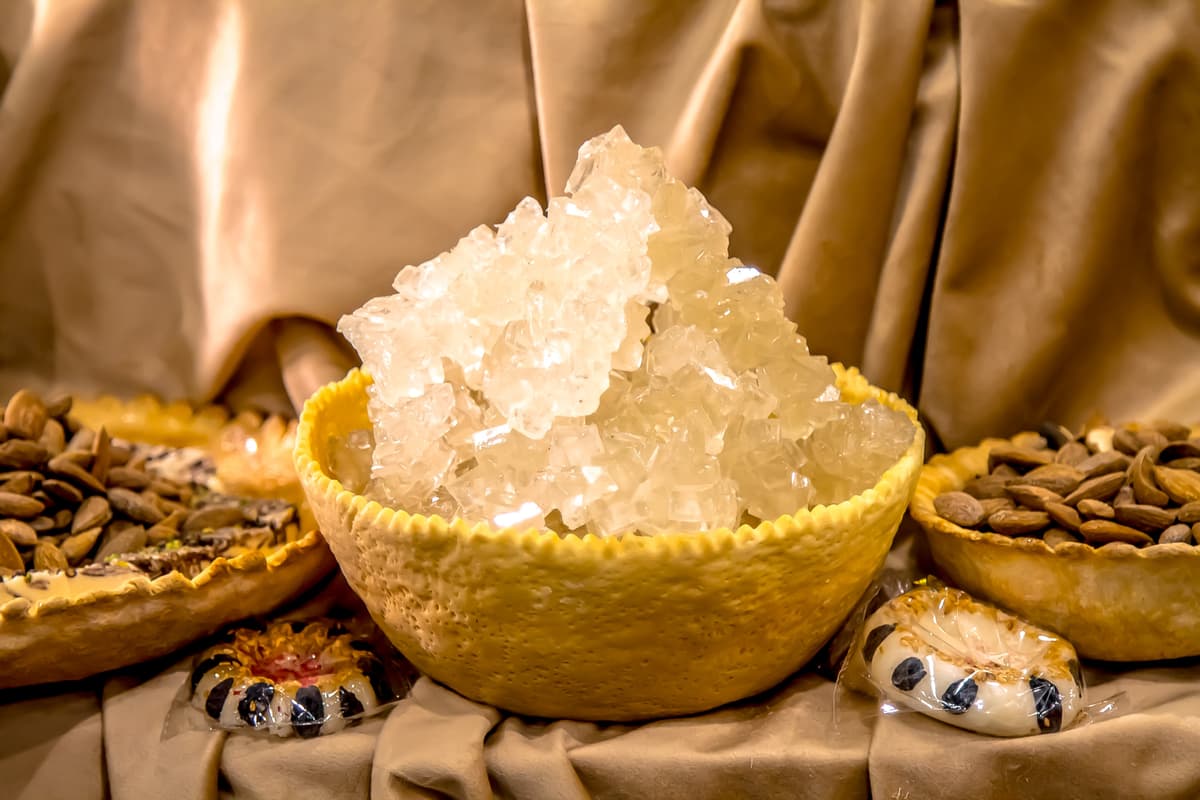
Gond Katira Benefits: Everything You Need to Know About Tragacanth Gum
Every summer, your body sends you the same signal — fatigue sets in before noon, your gut feels sluggish, and no amount of store-bought cold drinks makes a real difference. You know you need something better. Something ancient, proven, and genuinely nourishing.
Enter gond katira — the crystalline cooling resin that Indian households have kept in their kitchens for centuries. Known as Tragacanth gum in English (or goond katira in common Indian usage), this unassuming white crystal dissolves into a soft, cooling gel that works from the inside out. And while your grandmother may have reached for it instinctively, modern nutrition science is now catching up to what Ayurveda has always known.
In this guide, you will get the full picture: what gond katira is, the evidence behind its benefits, exactly how to use it for your body and skin, how much to take daily, and everything in between.
What Is Gond Katira? (Goond Katira in English, Explained)
Gond katira is a natural gum resin harvested from the sap of Astragalus gummifer — a thorny shrub belonging to the legume family, native to the mountainous regions of the Middle East, Iran, and Western Asia. The plant is tapped, and the sap seeps out and dries into hard, flat, irregularly shaped crystals that are white to pale yellow in colour.
In English, it is most commonly referred to as Tragacanth gum. In Hindi and Urdu, it is called gond katira or goond katira. Across regions of India, you may also hear it referred to as katira gond or simply katira.
What makes it distinctive is its behaviour in water. Left to soak overnight, a small amount of gond katira absorbs liquid and swells into a translucent, odourless, tasteless gel — sometimes increasing up to fifty times its original size. This gel is the form in which it is most commonly consumed.
In Ayurvedic and Unani medicine, gond katira has been used for centuries to manage conditions ranging from heat exhaustion and cough to dysentery and skin inflammation. Today, it is also used as a food-grade stabiliser and thickening agent in the processed food industry — validation, in its own way, of how functional this natural resin really is.
Nutritional Profile of Gond Katira
Gond katira is not a significant calorie source — which is partly why it is so useful for weight management. What it does offer is a dense payload of dietary fibre, alongside natural prebiotics and a moderate protein content that supports gut and immune health.
Of the 35 g of carbohydrates, approximately 30 g is dietary fibre — the kind that slows digestion, feeds beneficial gut bacteria, and keeps blood sugar levels more stable. The protein content is modest but noteworthy for a plant gum. And the fat content, while appearing high on paper, is primarily in trace quantities relative to the small amounts typically consumed (one to two grams per day).
The functional value of gond katira lies not in macronutrient density but in its bioactive polysaccharide structure — studied for anti-inflammatory, antioxidant, and mucosal-protective effects.
Top Gond Katira Benefits You Need to Know
Here is where the science meets the tradition. Each benefit below is backed by both Ayurvedic precedent and growing clinical or nutritional evidence.
Natural Body Coolant — Prevents Heat Strokes
The single most celebrated gond katira benefit is its ability to lower internal body temperature. The gel formed by soaked gond katira has a high water-retention capacity, which means it carries hydration deep into your system and releases it slowly — producing a sustained cooling effect rather than a momentary one.
This is why it has been a core ingredient in Indian summer drinks — shikanji, rose sherbets, and chilled milk preparations — for generations. Regular use during peak summer months can help reduce the risk of heat strokes and has traditionally been used to manage heat-induced nosebleeds in children.
Quick Tip: Soak one teaspoon of gond katira in two cups of water overnight. By morning, you have a ready-to-use cooling base — add it to lemon water, rose syrup, or cold milk for an instant summer drink.
Gut Health and Digestion
With thirty grams of fibre per hundred grams, gond katira is one of the more fibre-dense natural ingredients available in Indian kitchens. That fibre acts as a prebiotic, feeding the beneficial bacteria in your gut — Lactobacillus and Bifidobacterium strains that are central to immune function, mood regulation, and bowel regularity.
Practically, this translates to three digestive advantages:
Relief from constipation — the gel adds bulk and moisture to stool, making passage easier.
Management of loose motions — the mucilaginous texture soothes and lines the intestinal wall, reducing irritation.
Reduced bloating — its prebiotic effect gradually rebalances gut flora, addressing a root cause of chronic bloating.
Immune System Support
Gond katira is rich in polysaccharides — complex carbohydrate chains that have demonstrated immunomodulatory effects in research. These compounds help the immune system calibrate its response, reducing excess inflammation without suppressing the body's natural defences.
The antioxidant content also plays a key role here. Free radicals — generated by sun exposure, processed foods, and stress — accelerate cellular ageing and lower immune resilience. The antioxidants in gond katira help neutralise this damage, supporting nerve cell recovery and keeping seasonal infections like colds, coughs, and flu at bay.
Early-stage studies have also explored the anti-tumour properties of Tragacanth polysaccharides. While this research is preliminary and not a basis for medical claims, it points to a genuinely bioactive ingredient with potential far beyond folk medicine.
Skin Benefits of Gond Katira
Skin health starts from within — and gond katira addresses it on two fronts: blood purification and cellular hydration.
Its natural laxative and prebiotic properties help clear toxins from the bloodstream, which directly reduces the occurrence of acne, dullness, and inflammatory breakouts. Its antioxidant compounds combat oxidative stress in skin cells — the primary driver of premature ageing, fine lines, and loss of elasticity.
Topically, the gel formed by soaked gond katira acts as a natural film-forming humectant — locking moisture into the skin without clogging pores. Regular use is associated with improved skin texture, reduction in dark spots and pigmentation, and a visible natural glow.
Weight Management
High-fibre foods reduce appetite by slowing gastric emptying — food stays in the stomach longer, keeping you full. Gond katira works the same way. When consumed before a meal in water or milk, the gel expands in the stomach, reducing the amount you eat without any conscious restriction.
Its prebiotic effect also supports a healthier metabolic environment. A balanced gut microbiome is now understood to influence fat storage, insulin sensitivity, and even the hormones that regulate hunger — leptin and ghrelin. Gond katira, in this context, is not a fat-burner but a genuine metabolic support ingredient.
Liver Support and Blood Purification
The liver processes every toxin, hormone, and metabolic byproduct that passes through your bloodstream. Overburdened by poor diet, alcohol, or environmental pollutants, it can struggle to keep up. Traditional Ayurvedic formulations have long included gond katira as a hepatoprotective ingredient — one that supports, rather than strains, liver function.
Its role in blood purification works hand in hand: a cleaner bloodstream means a lighter load on the liver, and a healthier liver means cleaner blood. This cycle has a direct impact on skin clarity, energy levels, and immunity.
Better Sleep and Nervous System Recovery
One of the oldest uses of gond katira in Indian households is the bedtime milk preparation — a glass of warm milk with soaked gond katira, often with a pinch of cardamom or saffron. The rationale is both practical and nutritional.
Warm milk is rich in tryptophan (a precursor to serotonin and melatonin). Gond katira's anti-inflammatory polysaccharides support nerve cell recovery and reduce neurological stress. Together, they create a gentle, non-pharmaceutical sleep aid that also nourishes the nervous system over time.
How to Use Gond Katira — Your Complete Practical Guide
How to Soak and Prepare Gond Katira
The first step for virtually every use of gond katira is proper soaking. Here is the standard method:
Place one teaspoon (approximately two grams) of gond katira crystals in a large bowl.
Add two to three cups of water. The crystals will expand significantly — use a bowl large enough to accommodate.
Leave to soak for six to eight hours, or overnight at room temperature.
By morning, you will have a soft, translucent, gel-like mass. This is your base.
Stir gently before use. If the gel is too thick, add a little more water to loosen it.
How to Eat Gond Katira
Once soaked, gond katira integrates easily into a variety of foods and drinks. Here are the most practical everyday uses:
Summer cooler: Add two tablespoons of the prepared gel to chilled water or lemonade with a dash of rose water and black salt. This is the classic Indian preparation.
Milk drink: Stir the gel into warm or chilled milk with honey. Consume at night for sleep benefits or in the morning for a cooling, satiating start to the day.
Smoothies: Blend the gel into fruit or yogurt-based smoothies for added fibre and a silky texture.
Desserts: Incorporate into kheer, falooda, or other milk-based sweets as a natural thickening and nutritive agent.
Savoury cooking: The gel can be used as a thickener in gravies and sauces — it is tasteless and does not alter flavour profiles.
How Much Gond Katira Should I Take Daily?
The standard recommended daily intake is one to two grams of dry gond katira — approximately half to one teaspoon before soaking. This translates to two to three tablespoons of the prepared gel.
A few important parameters to follow:
Always consume gond katira with adequate water — at minimum two to three glasses beyond your normal intake. The fibre absorbs significant liquid; without it, you risk digestive discomfort or blockage.
Do not exceed the recommended amount in the hope of faster results. More is not better here.
Pregnant or breastfeeding women should consult their doctor before use, even though it has a long traditional history of safe consumption in these contexts.
If you are on medication for any chronic condition, speak to your healthcare provider before making it a daily habit.
How to Use Gond Katira for Skin
For topical skin application, the soaked gel is used directly as a face treatment. Here are two approaches:
Hydrating Face Mask (For Dry or Dull Skin):
Two tablespoons of soaked gond katira gel
One teaspoon of rose water
Half teaspoon of raw honey
Mix well and apply evenly to cleansed skin. Leave on for fifteen to twenty minutes. Rinse with cool water. Use two to three times a week.
Brightening Mask (For Pigmentation and Uneven Skin Tone):
Two tablespoons of gond katira gel
One teaspoon of sandalwood powder
A few drops of lemon juice (skip if your skin is sensitive)
Apply, leave for fifteen minutes, and rinse gently. The gel base ensures the active ingredients stay in contact with the skin without drying it out.
Side Effects and Who Should Exercise Caution
Gond katira is generally safe for healthy adults when consumed in the recommended amounts. However, there are situations that require care:
Under-hydration risk: If you consume gond katira without drinking enough water, the swelling gel can cause blockages in the digestive tract. Always drink two to three extra glasses of water when using it.
Allergy testing: Since it is derived from a plant-based resin, some individuals may have allergic sensitivities. Start with a very small amount — a quarter teaspoon of the gel — and monitor for twenty-four hours before making it a daily habit.
Respiratory conditions: People with asthma or chronic respiratory issues should avoid inhaling the dry powder form and consult a doctor before oral consumption.
Kidney patients: Gond katira can affect fluid and electrolyte balance. If you have kidney disease or are managing kidney health, get medical clearance first.
Digestive sensitivity: In rare cases, excessive intake may cause bloating, gas, or loose stools. Stick to the one to two gram daily limit.
Key Takeaways
Gond katira — known as Tragacanth gum in English — is a natural resin with deep roots in Ayurvedic and Unani medicine.
Its primary benefits include cooling the body, supporting digestion, boosting immunity, improving skin health, and aiding weight management.
The right daily dose is one to two grams of dry crystals (soaked overnight), consumed with plenty of water.
It can be eaten in drinks, milk, smoothies, and desserts — or applied topically as a face mask for skin hydration and brightening.
It is safe for most healthy adults but should be used cautiously by those with kidney conditions, respiratory issues, or allergies.
Start small, stay hydrated, and give it two to four weeks of consistent use to notice meaningful changes in energy, digestion, and skin clarity.
Frequently Asked Questions
How to Use Gond Katira?
Soak one teaspoon of dry gond katira crystals in two to three cups of water overnight. The crystals will swell into a soft, translucent gel. This gel can then be added to cold drinks, warm milk, smoothies, or desserts. For skin use, apply the gel directly to cleansed skin as a face mask, leave for fifteen to twenty minutes, and rinse. Always ensure you drink adequate water throughout the day when consuming gond katira.
How Much Gond Katira Should I Take Daily?
The standard recommended intake is one to two grams of dry gond katira per day — approximately half to one teaspoon before soaking. This yields around two to three tablespoons of prepared gel. Do not exceed this amount. Always pair it with two to three additional glasses of water beyond your normal daily intake to prevent any digestive discomfort.
How to Use Gond Katira for Skin?
For skin use, prepare the soaked gel and apply it directly to your face as a mask. For a basic hydrating mask, mix two tablespoons of gel with one teaspoon of rose water and half a teaspoon of honey. Apply to clean skin and leave for fifteen to twenty minutes before rinsing with cool water. For brightening, combine the gel with sandalwood powder. Use two to three times per week for visible improvement in texture, hydration, and tone over four to six weeks.
How to Eat Gond Katira?
The most common and effective way to eat gond katira is in soaked gel form, mixed into a beverage. For a cooling summer drink, add two tablespoons of the prepared gel to a glass of cold water or lemonade with rose water and a pinch of black salt. For an evening preparation, stir the gel into warm milk with honey. You can also blend it into smoothies or incorporate it into milk-based Indian sweets like kheer or falooda. It is tasteless and odourless, so it does not interfere with the flavour of the dish.
Is Gond Katira Safe During Pregnancy?
Gond katira has a long history of traditional use during and after pregnancy in Indian households — particularly in postpartum recovery diets for its digestive support and nutrient density. However, it is strongly advised that you consult your gynaecologist or healthcare provider before adding any new supplement to your diet during pregnancy or breastfeeding.
What Is the Difference Between Gond and Gond Katira?
Gond (also called edible gum) is typically derived from acacia or other tree barks and is commonly used in laddoos for joint health and postpartum nutrition. Gond katira, on the other hand, is sourced from the Astragalus plant and is specifically known for its cooling properties. While both are plant-based gums with nutritional benefits, they come from different sources and serve different primary purposes. They are not interchangeable.
Can I Use Gond Katira Every Day?
Yes, within the recommended dosage of one to two grams per day, gond katira can be consumed daily — especially during summer months when its cooling and hydrating properties are most beneficial. For skin, two to three topical applications per week is typically sufficient. If you experience any digestive discomfort, reduce the amount and ensure you are drinking adequate water.
Share this article: