
The Complete Ashwagandha Powder Guide: Benefits, Dosage, Timing, and Safety
2026-09-07 • 4 min
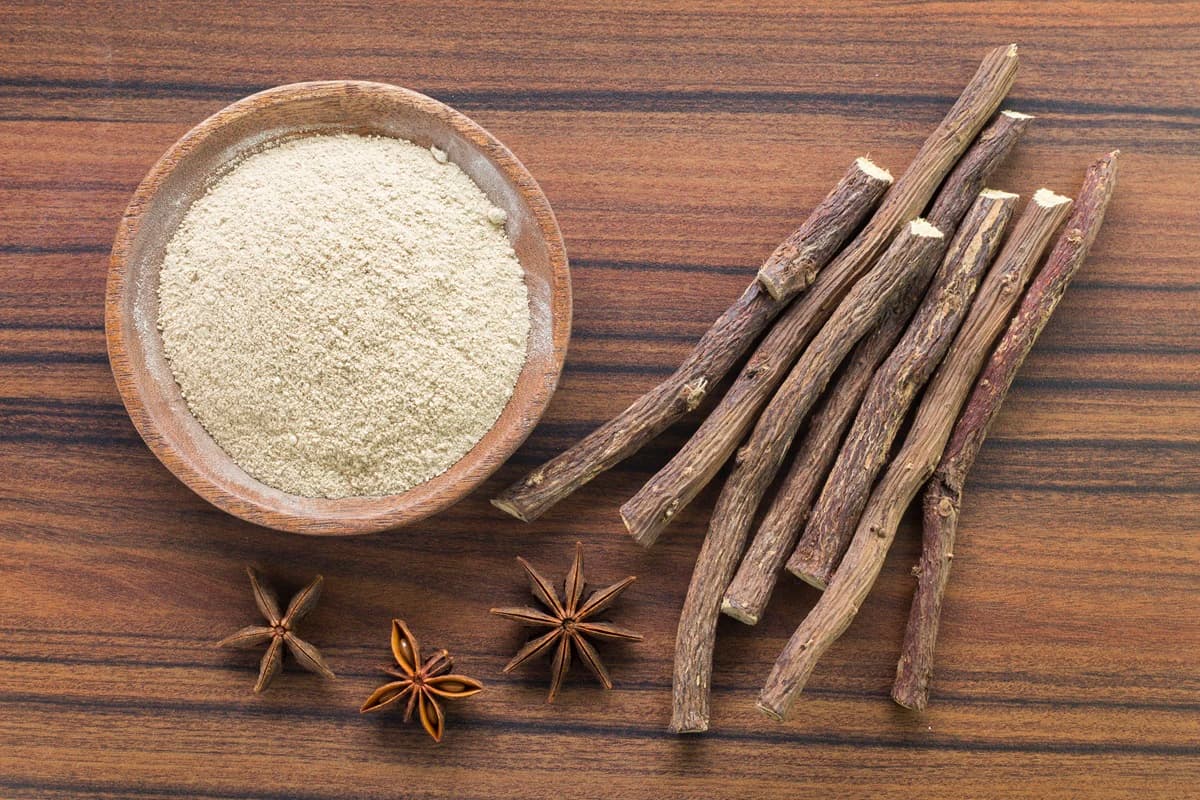
Stressful days, sleepless nights, fatigue, and lack of focus can disrupt daily work and reduce overall quality of life. Ashwagandha is an adaptogenic herb with a centuries-old history in traditional medicine. Some of the health benefits linked to consuming ashwagandha powder include stress reduction, better sleep quality, increased endurance, and improved cognitive function. Like other medicinal herbs, ashwagandha is not immune to adverse effects.
What Is Ashwagandha Powder?
Ashwagandha powder is a mixture of Withania somnifera’s dried roots that have been milled into a uniform consistency. The powder texture is light brown; the powder has a good smell and a slightly bitter taste. Ashwagandha powder contains withanolides, alkaloids, flavonoids, and other metabolites. Ashwagandha powder’s potential benefits are diverse and may vary from person to person. This product is available in a convenient form that can be mixed with water, milk, or added to smoothies and various foods according to the
Nutritional Value of Ashwagandha
Nutritional value of ashwagandha per 100 g
Benefits of Ashwagandha
Scientific interest in ashwagandha has increased in recent years due to its potential effects on stress, sleep, physical performance, cognitive function, and overall well-being.
Helps the Body Manage Stress
Ashwagandha can help your body deal with everyday stresses and keep you emotionally balanced. It will help you de-stress and feel calm and happy on the inside. In addition to that, it will also help keep your cortisol levels in the normal range. Ashwagandha in the right amount can be very beneficial to your daily life.
Promotes Better Sleep Quality
Ashwagandha can be a beneficial supplement to take in the evening to ensure a good night’s sleep and wake up feeling refreshed the next day. It can help the body wind down and relax, which promotes uninterrupted sleep. The Ashwagandha Melatonin Gummies are a great option to help you achieve all the health benefits that ashwagandha has to offer.
May Enhance Energy and Stamina
Ashwagandha aids in healthy physical performance and provides energy without the use of a stimulant. It promotes stamina and endurance and thus is relevant to any workout or lifestyle that requires such. Coupled with a balanced diet, sufficient rest and physical exertion, ashwagandha assists in sustaining a healthy body.
Helps Improve Focus and Mental Performance
Ashwagandha can help improve focus and memory, as well as enhance mental clarity so that one can be more attentive and organised on a daily basis. In addition, the herb can also help promote a calm and balanced state of mind, thereby supporting mindfulness and concentration regularly.
May Aid Strength and Exercise Recovery
Ashwagandha can be used to support muscle building and the function of the body when it engages in physical activity and experiences a workout. It can help the body adapt to and endure any physical challenge that it is exposed to, which makes it beneficial for workouts and fitness routines
Helps Maintain Healthy Immune Function
Ashwagandha is a remarkable herb that is packed with naturally occurring plant compounds corresponding to antioxidant and immune-supporting properties. As a result, it helps support the body’s natural defence mechanisms, making it a valuable addition to any wellness routine. Of course, for proper overall vitality and well-being, the herb works best when combined with nutritious food, quality sleep, regular exercise, stress management and all the other important components.
Contributes to Overall Health and Well-Being
It is traditional for ashwagandha to be connected with strength and health. The benefits of ashwagandha powder with milk can be considered an opportunity to use this herb without the need to taste its bitterness. Additionally, some people may want to take such supplements for wellness, such as apple cider vinegar gummies.
How to Take Ashwagandha
There are several ways to use ashwagandha powder in your daily diet.
Warm water: Stir the desired serving into warm water and drink.
Milk: Combine it with milk for a gentler, creamier taste.Smoothies: Blend it into your preferred fruit or vegetable smoothie.
Yoghurt: Stir it into a bowl of yoghurt.
Oatmeal: Sprinkle it over a bowl of cooked oatmeal.
Protein shakes: Add it to a protein shake after exercising or during the day.
Juices: Add it to an appropriate juice for a different taste.
During meals: Take it with food if needed.
After eating: Take it with a meal if easier on the stomach.
Best Time to Take Ashwagandha: Morning or Night?
Ashwagandha can be taken in the morning or night depending on an individual’s schedule, health and wellness goals, and how their body responds to the herbal supplement.
Morning Use
The intake of ashwagandha on an empty stomach early in the morning is more convenient for those desiring to add to their routine regimen to achieve overall health. Also, it can be mixed with milk, shakes, oats, or other healthy breakfast options.
Night Use
Those who feel drowsy on its consumption can take it during the night. Taking Ashwagandha powder at night can be useful for those in need of relaxation before sleeping.
Possible Side Effects of Ashwagandha
Herbal does not mean completely free from side effects. Although many adults tolerate ashwagandha, unwanted reactions are possible.
Nausea
Stomach upset
Frequent Stools
Diarrhoea
Vomiting
Drowsiness
Excessive Sleepiness
Who Should Avoid Ashwagandha?
Ashwagandha is available as a dietary supplement; it is not necessarily suitable for every individual.
Pregnancy: It can trigger the uterus and lead to miscarriages.
Breastfeeding: Insufficient safety information for nursing babies.
Thyroid issues: It might boost thyroid hormones, hence worsening hyperthyroidism.
Autoimmune disorders: It may boost immune response and hence worsen autoimmune disorders such as lupus and rheumatoid arthritis.
Patients with cancer: Can increase testosterone levels, which may adversely affect hormone-sensitive prostate cancer.
Pre-surgery: Reduces the activity of the central nervous system in combination with anaesthetics. It is recommended to stop its consumption two weeks before surgery.
FAQ
1. What is ashwagandha powder, and what is it used for?
Ashwagandha powder is made from the Withania somnifera plant, most commonly its root. It has traditionally been used in Ayurveda for stress management, vitality, sleep, and general well-being.
2. What are the scientifically supported benefits of ashwagandha powder?
Research suggests that ashwagandha may help reduce perceived stress and improve sleep quality. Some studies also indicate potential benefits for physical performance, strength, and certain aspects of cognitive function, although evidence varies by outcome.
3. What is the recommended daily dosage of ashwagandha powder?
There is no single standard dose suitable for everyone, and doses used for plain root powder differ from concentrated extracts. Follow the product directions or seek professional guidance, especially when using it regularly.
4. Should you take ashwagandha powder in the morning or at night?
The best time depends on your routine and how your body responds. Morning use may suit people incorporating it into a daytime wellness routine, while evening use may be preferred when relaxation or sleep is the main goal.
5. How long does it take for ashwagandha powder to show results?
Ashwagandha generally does not produce immediate results. Studies commonly assess its effects after several weeks of consistent use, and the response can vary depending on the individual, dose, and intended benefit.
6. Who should avoid taking ashwagandha powder?
Pregnant or breastfeeding people and those with certain medical conditions should seek medical advice before using ashwagandha. Anyone taking regular medication should also check with a healthcare professional first.
7. Are there any side effects or drug interactions associated with ashwagandha powder?
Ashwagandha may cause digestive discomfort, nausea, diarrhoea, or drowsiness in some people. It can also interact with certain medicines, so professional guidance is advisable if you take prescription medication.
Share this article: