
Ash Gourd Juice Benefits: Nutrition, Uses, Side Effects, and How to Make It
2026-06-15 • 4 min
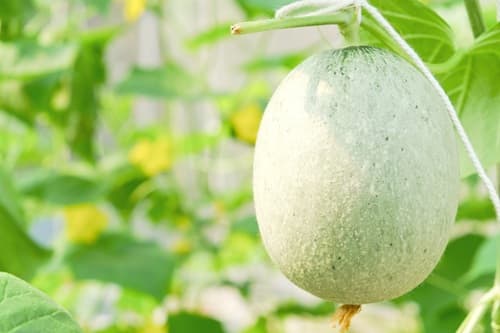
Ash gourd — also known as wax gourd, winter melon, or white gourd (Benincasa hispida) — is a large, mild-flavoured cucurbit vegetable that has been a staple in traditional Asian medicine systems, particularly Ayurveda and Traditional Chinese Medicine, for centuries. While the vegetable itself is used widely in cooking, it is ash gourd juice that has gained considerable attention in recent years for its potential health benefits. The ash gourd juice benefits most commonly highlighted include support for weight management, digestive health, hydration, urinary function, and mental clarity. Its nutritional profile — extremely low in calories, high in water content, and containing meaningful amounts of vitamins, minerals, and dietary fiber — makes it an appealing addition to health-conscious diets. This guide examines the evidence behind the benefits of ash gourd juice, its complete nutritional breakdown, practical preparation methods, side effects to be aware of, and how it fits into a broader nutritional approach to health and wellness.
Nutritional Profile of Ash Gourd
Ash gourd is remarkably low in calories — approximately 13 to 16 kilocalories per 100 grams — while being composed of over 96 percent water. This combination of extremely low caloric density and very high water content makes it one of the most hydrating foods available and a natural fit for calorie-controlled diets. Beyond water, ash gourd provides vitamin C, several B vitamins including riboflavin and niacin, calcium, iron, magnesium, phosphorus, potassium, zinc, and dietary fiber. The mineral content is modest but contributes meaningfully when consumed regularly as part of a varied diet. The vegetable also contains triterpenoid compounds and polyphenols that have demonstrated antioxidant and anti-inflammatory activity in laboratory studies, which underpin several of the traditional health claims associated with ash gourd benefits.
Key Health Benefits of Ash Gourd Juice
Weight Management Support
The extremely low calorie density and high water content of ash gourd juice make it a practical tool for calorie reduction without the feeling of deprivation that many restrictive approaches create. Drinking a glass of fresh ash gourd juice before meals increases gastric volume and hydration, which promotes earlier satiety and naturally reduces subsequent food intake at the meal. The fiber content, while modest, contributes to digestive transit time and helps maintain the feeling of fullness for longer. As a morning drink replacing higher-calorie alternatives like sweetened juices or milky teas, ash gourd juice can meaningfully reduce daily caloric intake without any sacrifice in hydration or micronutrient supply.
Digestive Health and Gut Function
Ash gourd juice has a mild alkaline tendency and has been traditionally used to soothe digestive discomfort, reduce acidity, and support regular bowel function. The high water content supports stool softening and regularity, while the soluble fiber feeds beneficial gut bacteria. In Ayurvedic practice, ash gourd is classified as having a cooling effect on the digestive system, making it a preferred remedy during periods of excess heat, acidity, or inflammation in the gastrointestinal tract. Modern research on the wax gourd benefits has identified gastroprotective compounds in ash gourd that may reduce gastric mucosal damage — supporting the traditional use for stomach-soothing applications.
Hydration and Detoxification
With a water content exceeding 96 percent, ash gourd juice is one of the most hydrating natural beverages available. Adequate hydration is foundational for kidney function, toxin clearance, skin health, cognitive performance, and metabolic efficiency. Ash gourd has mild diuretic properties that support healthy urinary function and fluid balance without the harsh electrolyte-stripping effects of pharmaceutical diuretics. Traditional systems classify it as a natural detoxifier — supporting the body's elimination pathways through improved hydration, urinary output, and digestive transit. For people focused on maintaining liver and digestive health, ash gourd pairs well with other supportive nutritional strategies. Exploring the best foods for liver health alongside hydrating juices like ash gourd creates a synergistic approach to supporting the body's primary detoxification organ through whole-food nutrition. Some people also incorporate ashwagandha gummy benefits into their daily wellness routine — ashwagandha is traditionally paired with cooling foods like ash gourd in Ayurvedic protocols to balance the body's stress response alongside digestive and hydration support.
Mental Clarity and Nervous System Support
In Ayurveda, ash gourd is classified as a medhya rasayana — a rejuvenative specifically for the mind and nervous system. Traditional practitioners recommend it for improving mental clarity, reducing anxiety, and supporting calm, focused cognitive function. While rigorous human clinical data on these effects is limited, preclinical research has identified neuroprotective compounds in ash gourd that reduce oxidative stress in neural tissue and demonstrate anxiolytic effects in animal models. The practical observation that many people report improved mental clarity after incorporating regular ash gourd juice into their morning routine aligns with both the traditional classification and the hydration and anti-inflammatory mechanisms that support cognitive function generally. Dehydration alone — even at mild levels of one to two percent body weight — is consistently associated with reduced attention, impaired working memory, and increased subjective feelings of fatigue and mental fog. A single glass of ash gourd juice provides approximately 240 millilitres of water alongside electrolytes and micronutrients in a format that is absorbed quickly and efficiently. For people who struggle to drink adequate plain water throughout the day, starting with ash gourd juice provides an early hydration boost that sets a better cognitive foundation for the hours ahead.
Ash Gourd Juice Nutritional Breakdown
How to Make Ash Gourd Juice at Home
Select a fresh, firm ash gourd with a waxy outer coating and no soft spots. Peel the thick skin and remove the seeds and spongy centre. Cut the flesh into small cubes — roughly one to two cups is sufficient for a single serving. Blend the cubes with half a cup of water until smooth, then strain through a fine mesh sieve or cheesecloth if you prefer a smoother juice. For flavour, add a squeeze of lemon juice, a small piece of fresh ginger, a pinch of black pepper, or a few mint leaves. Consume fresh and within 30 minutes of preparation to preserve the vitamin C content and enzymatic activity. The best time to drink ash gourd juice is first thing in the morning on an empty stomach, which is the traditional recommendation and maximises the hydration and digestive benefits before any food intake.
Side Effects and Precautions
Ash gourd juice is generally safe for most people when consumed in reasonable amounts — one glass per day is the standard recommendation. Potential side effects include digestive discomfort or loose stools when consumed in excess, particularly by people new to high-water-content juices. Due to its cooling properties in Ayurvedic classification, people with cold-dominant constitutions, respiratory congestion, or active cold and flu symptoms may find it aggravates their condition. Individuals with kidney disorders should consult a doctor before consuming ash gourd juice regularly due to its diuretic properties and potassium content. Pregnant and breastfeeding women should seek medical advice before adding any new herbal or medicinal food in significant quantities to their diet.
Frequently Asked Questions
What are the health benefits of ash gourd juice?
The key ash gourd juice benefits include support for weight management through low calorie density and high satiety, improved digestive function and reduced acidity, enhanced hydration and natural diuretic support for kidney function, antioxidant and anti-inflammatory activity from triterpenoid compounds, and traditional nervous system support for mental clarity. The combination of high water content, low calories, and meaningful micronutrient density makes it a genuinely practical addition to a health-focused diet.
Is it safe to drink ash gourd juice every day?
Yes, for most people one glass of fresh ash gourd juice daily is safe and well-tolerated. The extremely low calorie and sugar content makes it suitable for long-term daily use without concerns about excessive caloric intake. People with cold-dominant Ayurvedic constitutions, active respiratory illness, or kidney disorders should exercise caution. Start with a half glass for the first week to assess tolerance before increasing to a full glass, particularly if you are not accustomed to high-water-content vegetable juices.
What nutrients are found in ash gourd juice?
Ash gourd juice provides vitamin C, B vitamins including riboflavin and niacin, potassium, calcium, magnesium, phosphorus, iron, zinc, and dietary fiber — all within an extremely low-calorie package of approximately 30 to 40 kilocalories per glass. The water content exceeds 96 percent, making it one of the most hydrating natural juices. Triterpenoid and polyphenol compounds provide additional antioxidant and anti-inflammatory bioactive support.
How does ash gourd juice support weight loss?
Ash gourd juice supports weight loss primarily through caloric dilution — it provides substantial gastric volume and hydration at extremely low caloric cost, approximately 30 to 40 kilocalories per glass. Consuming it before meals promotes earlier satiety and naturally reduces food intake. The fiber content supports digestive regularity, and the high water content ensures adequate hydration which supports metabolic efficiency. It is not a standalone weight loss solution but is a highly practical daily addition to a calorie-controlled nutritional strategy.
What are the possible side effects of drinking ash gourd juice?
Possible side effects include digestive discomfort or loose stools when consumed in excess, particularly for people unaccustomed to high-water-content juices. Its cooling Ayurvedic properties may aggravate respiratory congestion or cold symptoms. The diuretic effect may be inappropriate for people with kidney disorders or on medications that affect fluid balance. Starting with a small amount and increasing gradually is the safest approach. Pregnant and breastfeeding women should consult a healthcare provider before regular consumption.
How do you make fresh ash gourd juice at home?
Peel a fresh ash gourd, remove seeds and spongy centre, and cut the flesh into cubes. Blend one to two cups of cubes with half a cup of water until smooth. Strain through a fine mesh sieve for a smoother texture. Add lemon, ginger, black pepper, or mint for flavour. Consume immediately to preserve vitamin C and enzymatic activity. A single glass prepared fresh takes approximately five to ten minutes from start to finish.
What is the best time to drink ash gourd juice for maximum benefits?
The best time to drink ash gourd juice is first thing in the morning on an empty stomach. This maximises the hydration and digestive benefits, allows the gut to absorb the nutrients without competition from other food, and aligns with the traditional Ayurvedic recommendation for cooling, clarifying morning beverages. Wait 20 to 30 minutes after drinking before eating breakfast to allow full absorption and digestive preparation for the first meal of the day.
Key Takeaways
• Ash gourd juice is extremely low in calories (30-40 kcal per glass) and over 96 percent water, making it one of the most hydrating and calorie-efficient natural beverages.
• Ash gourd benefits include weight management support, improved digestion, enhanced hydration, mild diuretic action, and traditional nervous system support for mental clarity.
• Active compounds including triterpenoids and polyphenols provide antioxidant and anti-inflammatory activity supported by both Ayurvedic tradition and preclinical research.
• The best time to drink ash gourd juice is first thing in the morning on an empty stomach for maximum digestive and hydration benefit.
• Side effects are generally mild — digestive discomfort and cooling effects — and can be managed by starting with a small amount and increasing gradually.
• Fresh juice should be consumed within 30 minutes of preparation to preserve vitamin C content and enzymatic activity for maximum nutritional benefit.
• Ash gourd pairs well with a broader liver-supportive and digestive wellness approach that includes adequate hydration, whole-food nutrition, and daily health supplementation.
Share this article: