
Amla Powder Explained: Benefits, Uses, Dosage, and the Science Behind It
2026-09-14 • 4 min
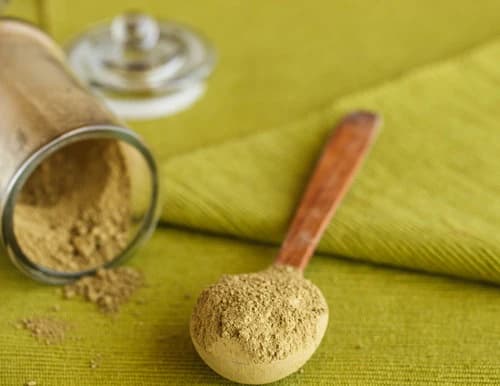
Amla has been a popular ingredient used in almost all Indian households in various forms. Amla powder has recently gained wider attention and can easily be added to daily routines. Interest in this ingredient comes not only from its nutritional content but also from its appropriate dosage and how it works in the body.
What Is Amla Powder?
Indian gooseberry is known by two scientific names — Phyllanthus emblica and Emblica officinalis. It’s also commonly called amla. This small tree has yellow-green flowers that blossom into round, edible fruits of the same colour. The fruits are about the size of a golf ball with a pit and thin peel. Their taste is sour, bitter, and astringent. The fruit is used in cooking in India, and most supplements on the market today are made only from the powdered, dried fruit or fruit extracts. The whole plant — including the fruit, leaves, and seeds — is utilised in traditional Indian medicine.
It should not be confused with the powder of a different plant known as ‘bhumi amla powder'. Though the names are similar, they are two distinct plants based on two different herbs and should not be used interchangeably.
Nutritional Value of Amla Powder
For adults, a recommended amount of daily amla consumption is 100 mg per day.
Nutritional value (100 g) of Amla
Health Benefits of Amla Powder
Amla powder is a great addition to your diet. It contains several nutrients and components from plants and contributes to amla powder benefits for the body. While some of its benefits are already clear, others require more research. Its effects can also vary from one person to another.
Supports Digestive Health
Amla’s natural fibre is ideal for a healthy gut when consumed with sufficient fluids and a well-rounded diet. Amla is naturally acidic and astringent in nature. Amla powder is a great supplement for the normal diet if used in proper quantities. Amla powder is suitable for sensitive stomachs.
Promotes Hair Health
Amla powder for hair has been around for centuries in India, and it is a part of Indian hair care traditions. It is appreciated for its natural compounds, which are useful in skin and hair care. Good nutrition, hormonal balance, genetics, age, stress, and styling all help to make hair strong, healthy and beautiful. Amla has remained relevant with its traditional use in various hair products and continues to be used in hair care today.
Supports Skin Wellness
Amla's natural plant chemicals have also made it a traditional beauty product ingredient. There is a close connection between hydration, sun exposure, sleep and lifestyle factors and healthy-looking skin. All of these factors may affect the texture and softness of the skin as well as its overall look. As the popularity of botanical ingredients increases, amla now plays a bigger part in the larger skincare category, complementing other products like dry skin face oil. This puts a classic element into the personal care landscape of today.
Helps Maintain Immunity
Amla has been used to support the immune system. The body has several elements and mechanisms which are associated with functioning together to ensure the well-being of an individual. The role played by the immune system is influenced by such features as diet, adequate sleep, physical activity, stress levels and overall health status. A number of elements contained in amla have been subject to research in relation to their impact on the immune system and the overall health status of an individual.
Supports Heart Health
Amla has long been known for its ability to support heart health. The plant sterols present in Amla help in reducing cholesterol and triglyceride levels in the body. Heart health is greatly determined by the level of cholesterol and triglycerides, together with a balanced diet, physical exercise, high blood pressure, stress, sleeping disorders, and genes. The heart and blood vessels’ proper functioning is what keeps the body going. Thus, Amla has been a herbal medicine that has been used traditionally to help support heart health.
Helps Manage Oxidative Stress
Normal metabolism and exposure to the environment generate unstable molecules such as free radicals. Accumulation of these molecules in the body may cause oxidative stress and damage cells and tissues. Amla comprises antioxidants that neutralise free radicals in the body. This has drawn scientific attention to relating Amla to the prevention and management of oxidative stress and oxidation-related diseases. However, the effect of Amla antioxidants under in vitro conditions can show a different activity profile in the human body due to complex physiological processes.
How to Use Amla Powder
Adding amla powder into your daily routine is simple. Some like to dilute it with water or use it in food or drinks. Some use it as part of their hair or skin care along with other wellness products. It is best used according to your needs and preferences and how your body or skin reacts to it.
Mixing With Water or Beverages
In cases where individuals are thinking about amla powder for drinking, a small amount can be dissolved in plain or warm water. Also, it can be blended into smoothies to get a balanced flavour. Remember that higher concentrations don't necessarily mean greater benefits, so use the recommended serving size.
Adding to Foods
Amla powder for eating can be added to yoghurt, smoothies, chutneys or other edibles that would suit the naturally sour taste. In addition, consuming it with food might be easier on sensitive stomachs that are used to taking medications with meals to prevent discomfort, and it is best taken as a complement to a well-balanced diet, rather than a sole replacement for fruits and vegetables.
Using Amla on Hair and Skin
Amla powder can be formulated into traditional hair or scalp care formulations alone or in combination with other botanicals and dissolved in water or an appropriate base to provide a paste. When using a facial application, you will have to take extra precautions, particularly with sensitive skin, because strong herbal formulas may cause itchiness or irritation on sensitive skin. It is recommended to do a patch test before using it widely, and use it if redness, itching, burning or swelling occurs, stop using it.
Side Effects and Precautions
Amla is usually tolerated well as part of the diet, but in its concentrated form, it can lead to acidity and stomach discomfort in certain individuals. People taking medications, suffering from chronic diseases, pregnant or breastfeeding mothers, children, and those preparing for surgery must consult their physician before consumption.
Who Should Be Careful with Amla Powder
People with low blood sugar
People on blood-thinning medications
Individuals with acidity or sensitive stomachs
People prone to kidney stones
Upcoming surgery patients
Pregnant or breastfeeding women
People with low blood pressure
Conclusion
Amla is an ancient herb that has secured its place in the Indian household a long time ago, and even today, the versatility and balanced nature of the herb have significantly contributed to its popularity and growth. It is used in a variety of Indian cuisines and herbal remedies and has endured the test of time, evolving with the changing landscape of consumers’ lifestyles and preferences.
FAQ
1. What is amla powder, and how is it made?
Amla powder is made by drying Indian gooseberries (Phyllanthus emblica) and grinding them into a fine powder. It is commonly used in traditional wellness and personal-care routines.
2. What are the scientifically supported benefits of amla powder?
Research suggests amla may support antioxidant activity, digestive health, and healthy blood glucose and lipid levels. More studies are needed to confirm some specific health claims.
3. What is the recommended daily dosage of amla powder?
There is no universally established daily dose. Follow the product’s serving instructions or seek professional guidance based on individual needs.
4. What is the best time to take amla powder for maximum health benefits?
No specific time has been scientifically proven to provide maximum benefits. Choose a time that suits your routine and tolerance, preferably following product directions.
5. Can amla powder be used for both hair care and skin care?
Yes. Amla powder is commonly used in hair masks and traditional skin-care preparations, although individual results and tolerance can vary.
6. Are there any side effects or precautions when using amla powder?
Larger amounts may cause digestive discomfort in some people. Those taking medicines or managing health conditions should consult a healthcare professional before regular supplemental use.
7. How long does it take to see results from regular use of amla powder?
There is no fixed timeline, as results depend on the purpose, frequency of use, product quality, and individual response. Consistent use may be needed before noticeable changes occur.
Share this article: