
Calories in 1 Roti vs Rice: Which Is Better for Weight Loss?
2026-05-06 • 5 min
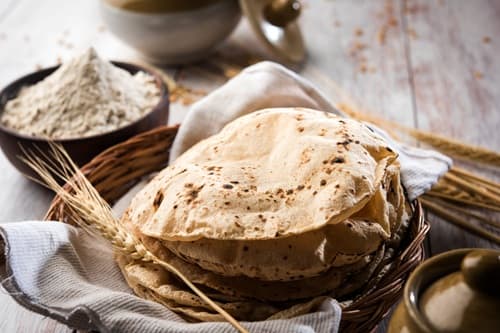
Roti and rice are the two pillars of the Indian plate. For most households, a meal without one or the other feels incomplete, and debates about which is the healthier choice come up often in conversations about weight loss and everyday nutrition. A common starting point is to ask how much calories in 1 roti compared to the calories in a bowl of rice, and whether one is genuinely better for someone trying to manage their weight. The truth is more nuanced than most popular advice suggests. Both foods have been dietary staples for thousands of years, both are nutritionally useful, and both can support weight loss or weight gain depending on how they are eaten. This guide looks at the calorie counts of each, their nutritional profiles side by side, how the glycaemic index affects hunger and energy, and what a sensible approach to portioning looks like when weight loss is the goal.
Calories in 1 Roti: The Basics
The calories in 1 roti depend on several variables — the type of flour used, the size and thickness of the roti, and whether any oil or ghee is added during or after cooking. A plain medium-sized roti made from 30 grams of whole wheat atta, without any added fat, contains approximately 70 to 90 calories. A larger, thicker roti can climb to 110 or 120 calories, while a thin phulka may drop closer to 60. Adding half a teaspoon of ghee on top adds about 20 calories. Multigrain rotis made from blends of wheat, jowar, bajra, and ragi are broadly similar in calories, with slight variations based on flour composition. The key point is that plain roti is a moderate-calorie food with consistent nutrition when made simply.
Nutritional Profile of a Plain Wheat Roti
Beyond calories, a plain wheat roti provides about 3 grams of protein, 2 grams of fibre, and 15 to 18 grams of carbohydrates. It also contains small but meaningful amounts of iron, magnesium, and B vitamins, particularly when made from whole wheat atta rather than refined maida. The fibre content is what gives roti a slight edge in satiety — it slows digestion and helps keep blood sugar more stable compared with more quickly absorbed grains.
Calories in 1 Bowl of Rice: How It Compares
A small bowl of cooked white rice, roughly 100 grams or half a cup, contains approximately 130 calories. A typical Indian restaurant portion of rice is 150 to 200 grams, which ranges from 195 to 260 calories. Brown rice has a nearly identical calorie count to white rice — the differences between them are in fibre, micronutrients, and digestion rate rather than energy density. Basmati rice has slightly fewer calories per cup than short-grain varieties and generally has a lower glycaemic index. Adding oil, ghee, or tempering significantly increases the calorie count, which is why preparation method matters as much as grain choice.
White Rice vs Brown Rice
Brown rice retains its bran and germ layers, which makes it higher in fibre, magnesium, phosphorus, and B vitamins than white rice. It has a lower glycaemic index, meaning it raises blood sugar more gradually. White rice is lighter, cooks faster, and is easier to digest, which can be an advantage for people with sensitive stomachs or high-energy lifestyles. Neither is categorically superior for weight loss; both fit within a balanced plan when portioned appropriately.
Direct Comparison: Roti vs Rice
Seeing the numbers laid out side by side makes it much clearer why the debate is less one-sided than it often appears. Both foods have nutritional advantages, and the choice between them rarely makes or breaks a weight loss plan on its own.
The Role of Glycaemic Index in Weight Loss
Glycaemic index, or GI, measures how quickly a food raises blood glucose after eating. Foods with a lower GI cause a slower, steadier rise in blood sugar, which tends to support longer satiety and more stable energy. Roti generally sits in the moderate GI range, while white rice sits higher. This is one reason why a roti-based meal often keeps hunger at bay for longer than a rice-based meal of similar calorie content. However, GI is not the only factor — the fibre, protein, and fat in the overall meal significantly modify how blood sugar responds. A bowl of rice with dal, vegetables, and a small amount of ghee will produce a gentler blood sugar curve than plain rice eaten alone.
Why Blood Sugar Stability Matters
For weight loss, blood sugar stability helps in two ways. First, it reduces the likelihood of energy crashes that drive snacking between meals. Second, it reduces insulin spikes, which can, over time, make it easier for the body to access stored fat for energy. This is not to say that high-GI foods must be avoided — they have their place, especially around physical activity — but rather that pairing them with fibre, protein, and healthy fats softens their impact. Small supportive habits around digestion — including fibre-rich meals and, for some people, simple aids like Healthy Gut Gummies — can further help maintain the digestive rhythm that weight loss depends on.
Portion Sizes That Support Weight Loss
Portion size is consistently the most important variable in weight loss nutrition. For most adults, two to three medium rotis or half to three-quarters of a cup of cooked rice is a reasonable serving at a main meal. These portions provide adequate carbohydrates for energy without crowding out the protein and vegetables that drive satiety and nutrient quality. Active individuals, people with more muscle mass, and those doing strength training may need slightly larger servings. Sedentary individuals and those closer to their weight goals often need smaller portions. Using a standard medium-sized bowl or measuring cup for a few weeks can recalibrate the eye to what an appropriate portion actually looks like, which is often smaller than the default restaurant serving.
Building a Balanced Meal Around Roti or Rice
The single most effective way to make either roti or rice work for weight loss is to surround it with the right company. A balanced plate generally looks like: one quarter grain (roti or rice), one quarter protein (dal, paneer, chicken, fish, eggs, or legumes), and half vegetables. This proportion naturally limits the grain portion without making the meal feel restrictive. Adding a small amount of healthy fat — a teaspoon of ghee, a spoon of olive oil, a handful of seeds — further supports satiety and the absorption of fat-soluble vitamins. Following this framework consistently is more impactful than obsessing over whether a specific meal features roti or rice.
Common Mistakes That Sabotage Weight Loss
Several common habits undermine the weight loss benefits of either food. Heavy ghee or butter applied to every roti quickly adds 40 to 80 calories to each piece. Oil-laden fried rice or biryani can double or triple the calorie load of plain rice. Eating directly from a large serving bowl makes it nearly impossible to gauge portion. Pairing rice or roti with sugary drinks, fried sides, or excessive sweets blunts whatever nutritional benefit the grain itself provided. Being mindful of these patterns often matters more than the roti-versus-rice question itself. For those whose diets include frequent processed or fried foods, gentle herbal supports like Detox Candy can complement a gradual shift toward cleaner eating without being a substitute for the dietary changes themselves.
Beyond Roti and Rice: Other Grains to Consider
Weight loss plans benefit from variety, and there are several other grains worth rotating into the diet. Millets such as bajra, jowar, and ragi have lower glycaemic indexes than rice and wheat and offer excellent fibre and mineral content. Oats provide soluble fibre that supports heart health and satiety. Quinoa is a complete protein source and makes an excellent rice substitute. Barley is particularly filling and helps stabilise blood sugar. Including these alternatives two or three times a week can enhance a weight loss plan, improve nutritional variety, and prevent the monotony that often causes diets to fail.
Frequently Asked Questions
How many calories are there in 1 roti compared to 1 bowl of rice?
A medium-sized plain wheat roti made from about 30 grams of atta flour typically contains 70 to 90 calories, depending on size, thickness, and whether any ghee or oil is used. A small bowl of cooked white rice — roughly 100 grams, which is about half a cup — contains approximately 130 calories. A typical restaurant serving of rice is 150 to 200 grams, which brings the calorie count to 195 to 260 calories per serving. So on a per-serving basis, a bowl of rice is usually higher in calories than one roti, but the difference depends heavily on portion size. Two rotis and a small bowl of rice can end up providing similar calorie loads.
Which is better for weight loss: roti or rice?
Both roti and rice can fit into a weight loss plan, and neither is inherently better or worse. What matters most is portion size, preparation method, and the overall balance of the meal. Roti is typically higher in protein and fibre, which support satiety and blood sugar control, making it a practical choice for many people managing their weight. Rice digests more quickly and can be easier to overeat, but it is also lighter on the stomach and works well for those with active lifestyles or sensitive digestion. The better choice depends on individual preference, activity level, and whether the rest of the meal includes adequate protein, vegetables, and healthy fats to balance the carbohydrate load.
Does eating rice lead to more weight gain than roti?
Eating rice does not automatically cause more weight gain than eating roti. Weight gain happens when overall calorie intake exceeds the body’s energy expenditure, regardless of the source. Rice is higher in glycaemic index than roti, meaning it raises blood sugar more quickly, which can lead to hunger returning sooner in some people. It is also easier to consume in large portions because it is softer and lighter in texture. Roti, being denser and higher in fibre, often produces longer-lasting fullness per calorie. However, if someone eats four or five rotis with heavy curries, the total calorie load can easily exceed a moderate rice-based meal. Portion control is the decisive factor.
Can I eat roti and still lose weight?
Yes, roti can absolutely be part of a successful weight loss diet. Whole wheat roti provides complex carbohydrates, fibre, and some protein, all of which support sustained energy and satiety. The key is pairing it with adequate protein — dal, paneer, chicken, eggs, or fish — along with plenty of vegetables and a controlled amount of healthy fat. Two to three rotis per meal is a reasonable serving for most adults aiming to lose weight, adjusted based on activity level and overall calorie needs. Choosing multigrain or bajra rotis can add variety and nutritional benefits. Avoiding excessive ghee or butter on each roti helps keep the calorie count in check.
Is brown rice healthier than roti for weight loss?
Brown rice and roti both have merits for weight loss, and neither is universally healthier. Brown rice retains its bran and germ, making it higher in fibre, magnesium, and certain B vitamins than white rice, with a lower glycaemic index. Roti made from whole wheat atta also contains fibre and a slightly higher protein content than rice. The two foods are nutritionally comparable rather than ranked one above the other. The better choice depends on personal preference, digestive comfort, and the rest of the meal. For those sensitive to gluten, brown rice is the obvious alternative. For those seeking maximum protein from a grain source, roti has a slight edge.
How much roti or rice should I eat in a weight loss diet?
A practical guideline for weight loss is to fill roughly one quarter of your plate with grain-based foods such as roti or rice. For most adults, this translates to about two medium rotis or half to three-quarters of a cup of cooked rice per meal. This provides adequate carbohydrates for energy without displacing the protein and vegetables that support satiety and nutrition quality. Highly active individuals may need slightly larger portions, while sedentary people often need less. Portion size should always be adjusted based on hunger, activity, and progress toward weight loss goals. Tracking portions for a week or two can help establish a realistic sense of appropriate serving sizes.
Does portion size matter more than choosing roti or rice?
Yes, portion size almost always matters more than the specific choice between roti and rice. Both foods provide similar nutritional profiles in terms of carbohydrates and calories per gram. A person eating four large rotis with rich gravies will likely consume more calories than someone eating a moderate bowl of rice with vegetables and lean protein, even though the first meal is roti-based. The food itself is less important than how much is consumed, what accompanies it, and how it fits into the day’s total intake. This is why dietitians generally encourage a focus on balanced portions, adequate protein, and vegetable-rich meals rather than rigidly choosing between grain options.
Key Takeaways
• One medium plain wheat roti contains roughly 70 to 90 calories, while a small bowl of cooked rice contains about 130 calories.
• Neither roti nor rice is universally better for weight loss; both can fit into a balanced diet with proper portion control.
• Roti tends to be higher in protein and fibre, while rice has a higher glycaemic index and is easier to overeat.
• Weight gain or loss depends on total calorie intake versus energy expenditure, not on roti versus rice specifically.
• Pairing either food with protein, vegetables, and healthy fats improves satiety and nutritional quality.
• Brown rice and whole wheat roti are nutritionally comparable, and the choice comes down to preference and digestive comfort.
• Two medium rotis or half to three-quarters of a cup of cooked rice is a reasonable serving size for most adults on a weight loss plan.
Share this article: